

Home
reviews
album list
P
P.G. Six
Paatos
Chase Pagan
Jimmy Page & Robert Plant
Palaxy Tracks
Owen Pallett
Nerina Pallot
Bruce Palmer
Paloalto
Pancake
Panthers
Paper Chase
Paper Route
Papercuts

Didier Paquette
Vanessa Paradis
Pariah
Paris
Patrick Park
Zeena Parkins & Ikue Mori
Aaron Parks

Matthew Parmenter
Pas Chic Chic
Polly Paulusma
Pavement
Kendall Payne
Pazop
Pazzo Fanfano di Musica


P  (US)

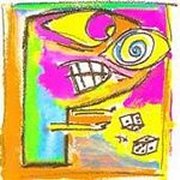
P, 'P'

P  (1995,  57.16)  ***½/TT

I Save Cigarette Butts
Zing Splash
Michael Stipe
Oklahoma
Dancing Queen
Jon Glenn (Mega Mix)
Mr. Officer
White Man Sings the Blues
Die Anne
Scrapings From Ring
The Deal

Current availability:

Mellotron used:

The irritatingly-named P (you try searching for it on Google) were a seemingly one-off 'supergroup' (yuck) of the inimitable Butthole Surfers' inimitable Gibby Haynes on his patented effected vocals and Johnny Depp (yes, that one...) on guitar and bass, plus two of their friends and several guest players. P is pretty much what you'd expect, being largely raucous rock'n'roll with bonkers vocals and huge lashings of irreverence all round. Haynes is on top form, but you wouldn't have a clue Depp was involved if the booklet didn't tell you, with fairly faceless guitar work throughout. A handful of tracks border unlistenable: Jon Glenn (Mega Mix) is a lengthy (and tedious) dub experiment and White Man Sings The Blues is funny for about a minute, while lasting an interminable six-plus, but even the eight-minute weird-fest Scrapings From Ring is worth hearing, and several tracks are genuinely good.

Andrew Weiss plays bass and Mellotron, with a lovely string part on Michael Stipe, which brings me to the Butthole Surfers' Stipe story. They were apparently obsessed with the REM frontman, presumably before his band's dropping of all musical standards and attendant rise to fame'n'fortune (or maybe not?). The Surfers' old tour van finally died, so they towed it to Stipe's house and left it outside, allegedly painting on the windscreen something along the lines of (quotes vary):

"Michael Stipe, despite the hype,
We'd like to suck on your long tall pipe"

Which may or may not've pleased Mr. Stipe. Who knows? More 'Tron strings on their twisted cover of Abba's Dancing Queen, and it's by no means the strangest instrumentation used on the song... Two more minor 'Tron tracks, with the occasional single string note on Scrapings From Ring, and some distant choir and flutes on The Deal, but they make little difference to the album's overall rating.
So; you're not going to find this all that easily, despite its major-label origins, as it's out of print and pretty collectable among Depp's large fanbase, but it's worth hearing for Butthole Surfers fans, and anyone who likes a bit of grime with their avant-rock. Decent 'Tron on two tracks, too.

P.G. Six  (US)

P.G. Six, 'Slightly Sorry'

Slightly Sorry  (2007,  38.53)  ****/½

United Micro Mini
The Dance
Strange Messages
Cover Art Reprised
The End of Winter
I've Been Traveling
Bless These Blues
Not I the Seed
Lily of the West
Sweet Music

Current availability:

Mellotron used:

P.G. Six are effectively Pat Gubler plus friends, whose fourth album, 2007's Slightly Sorry, condenses a slew of folk-rock influences into an appealing stew of acoustic and electric guitars, male and female vocals and all kinds of Fairport Convention-esque things, without actually sounding like a Transatlantic clone (there might be a joke in there, had Fairport been on Transatlantic. Sorry). It's all good, but its top track has to be the beautiful Lily Of The West, sounding exactly like the kind of English folk ballad that Fairport might have tackled around Angel Delight. Actually, it's credited to that wealthiest of songwriters, Trad. Arr, so it's probably sheer bad luck that didn't lead Fairport to it, er, nearly forty years earlier.

Gubler plays all manner of elderly keyboards, including Mellotron; its one probable sighting here is the rather un-Mellotronic cellos and flutes on Strange Messages, although in lieu of anything else, and no credits for those instruments, I'll have to assume that's it. So; a very good album, should you be of a folk-rock disposition, but don't bother for the Mellotron.

MySpace

P-Model  (Japan)  see: Samples

Paatos  (Sweden)

Paatos, 'Perception' 7"  (2001,  10.18)  ****/TTT½

Perception
Tea
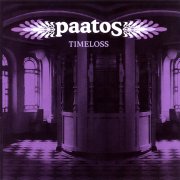
Paatos, 'Timeloss'

Timeloss  (2002,  39.47)  ****/TTTT

Sensor
Hypnotique
Téa
They Are Beautiful

Quits
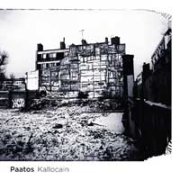
Paatos, 'Kallocain'

Kallocain  (2004,  51.36)  ****/TTT

Gasoline
Holding on
Happiness
Absinth Minded

Look at Us
Reality
Stream
Won't Be Coming Back

In Time
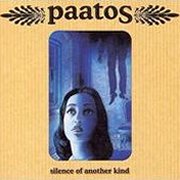
Paatos, 'Silence of Another Kind'

Silence of Another Kind  (2006,  42.08)  ****/TT½

Shame
Your Misery
Falling
Still Standing
Is That All?

Procession of Fools
There Will Be No Miracles
Not a Sound
Silence of Another Kind

Current availability:

Mellotrons used:

Paatos were formed by two ex-members of Swedish prog revivalists Landberk, one of whom (guitarist Reine Fiske) has since left for the wonderful Dungen, leaving only Stefan Dimle, also owner of renowned Stockholm shop/label Mellotronen. The band pick up where Landberk left off, playing gentle, melancholy progressive rock on largely vintage gear, though this time with female vocals (Petronella Nettermalm), which suits the music perfectly.

They set out their stall with 2001's vinyl-only single, Perception, backed with the misspelt Tea (corrected on the album version), in honour of Petronella and drumming husband Huxflux's baby daughter. Both tracks feature a long, slow build-up, with Mellotron strings from Johan Wallén breaking in at the nearest each track gets to a crescendo. This isn't going to be easy to get hold of, unless you a) see them live or b) visit Stockholm (just done both), but it's worth the effort if you can find a copy.

The unusually short Timeloss carries on in the same excellent vein, with four medium-length tracks of quiet beauty, although the band aren't immune to picking up the pace every now and again, not to mention the odd Mellotron-fuelled crescendo. The album's 'oddity', though, is lengthy closer Quits, with a drum'n'bass-inspired rhythm, which actually works really well. It's the only non-'Tron track, with Wallén on (unspecified) electric piano. I can confirm that the band own their own M400, painted a fetching baby blue, sans feet, with very odd little spoked wheels replacing the knobs. They seem to have a strings/flutes/oboes tape frame, and the oboes are used here and there, making a welcome change from the usual sounds. One minor gripe, though, is the intro to Téa, which is copped straight from Änglagård's Sista Somrar from Epilog, although I didn't notice the rip on the single version. What were they thinking of? These bands all know each other...

Two years on, Kallocain starts in uncharacteristically upbeat mode with the Eastern-flavoured Gasoline, but soon shifts down a couple of gears back to by-now familiar Paatos territory. There are no actual standout tracks here, but nor are there any surprises like Quits, with the rest of the album being the same type of laid-back but curiously intense progressive as the bulk of Timeloss. An interesting feature of the album is Wallén's Mellotron use (all strings, by the sound of it); it's on seven of the nine tracks, but by and large, used with great restraint, making the occasional heavier use stand out all the more (the 'Tony Banks' trick).

While Silence of Another Kind produces no major surprises, it's another very good album, if sitting pretty in familiar territory. It opens with the uncharacteristically heavy Shame, sounding not unlike Anekdoten, but soon settles into their regular groove; this is not, by the way, a criticism... Procession Of Fools is a very short instrumental piece, and the closing title track consists chiefly of various effects, leaving Not A Sound as the album's probable highlight, as well as longest track. Wallén's Mellotron is use mostly as restrained as on Kallocain, although Not A Sound sees him let rip on the strings in fine style, but again, low-ish on the 'Tron front.

So; Timeloss is a seriously 'Tron-heavy album, Kallocain and Silence of Another Kind less so, although both are excellent. If you liked Landberk, or even if you've never heard them, I can wholeheartedly recommend Paatos. More, please.

Official site

See: Samples | Landberk | Dungen

Chase Pagan  (US)

Chase Pagan, 'Bells & Whistles'

Bells & Whistles  (2009,  42.41)  **/TT

The Lonely Life
Life Garden
Warrior
Gun and the Sword
Summer Comes
John & Betty
Bring Down the Day
Don't Be Gay (Working Title)
Nameless
Better Off
Just Fine
Search
Train-a-Coming

Current availability:

Mellotron used:

Chase Pagan apparently started out as an emo/nu-metal type whom, after having a generic album rejected by Geffen, reinvented himself as an indie/singer-songwriter type, which certainly seems to be more his forte, going by his second album, 2009's Bells & Whistles. I wouldn't actually take that as a recommendation, mind, just that his voice would be even less well-suited to his original oeuvre. It isn't much of an album, frankly; the occasional interesting arrangement ideas (notably at the ends of Warrior and Search) are spoiled by Pagan's awful whiny voice, the nearest the album gets to a highpoint being the jaunty John & Betty, which stands out as, if not actually particularly good, at least fairly original.

Chad Copelin plays (very real-sounding) Mellotron, with pitchbent strings on Gun And The Sword, flutes and strings on Bring Down The Day and cellos and flutes on Just Fine, making it just about the best thing about this rather lacklustre record. I really hope young Pagan doesn't use a Mellotron next time round, so I don't have to hear his voice again.

MySpace

Jimmy Page & Robert Plant  (UK)

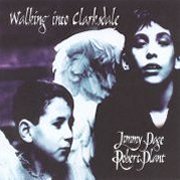
Page & Plant, 'Walking Into Clarksdale'

Walking Into Clarksdale  (1998,  60.52)  ****/T

Shining in the Light
When the World Was Young
Upon a Golden Horse
Blue Train
Please Read the Letter
Most High
Heart in Your Hand
Walking Into Clarksdale
Burning Up
When I Was a Child
House of Love
Sons of Freedom

Current availability:

Mellotron used:

In 1994, Jimmy Page and Robert Plant did what everyone had wanted for the previous 14 years, i.e. work together again. The resulting live 'unplugged' effort, Unledded (****) (ho ho), gave an interesting new perspective on many Zeppelin songs, but the four new pieces of music were, at best, pretty average (Wah Wah, anyone?), causing concern among fans over the quality of any further new material. '95's world tour was spectacularly good, but consisted entirely of Zep stuff, so it was quite a surprise when the duo suddenly came up with Walking Into Clarksdale in '98 (the title referring to the supposed 'home of the blues' in the Mississippi Delta). The album achieved the almost impossible, by updating the Zeppelin formula without being crap. Plant's vocal quirks and Page's guitar stylings are evident all over, and while I wouldn't rate most of the material as highly as most Zep stuff, there's some good songs scattered across the album, including When The World Was Young, Most High and When I Was A Child.

Jimmy Page is known as a Mellotron owner, notably the Mark V prototype John Paul Jones played on stage in the mid-'70s (a weird, unfinished-looking device), and he apparently bought a standard M400 in the mid-'90s. There's (uncredited) 'Tron on one track only here, the opener Shining In The Light, with a nice complementary string part, possibly played by Tim Whelan, who's credited with 'oriental keyboard'. Anyway, a good album, particularly if you're into their '70s oeuvre. Buy anyway. Note: at the time of writing (late 2002), rumours abound of a 'full' Zep tour in 2003, with JPJ and Jason Bonham (oh dear), but I wouldn't hold out too much hope of any live 'Tron, given Jones' views on the subject...

Official Jimmy Page site

Official Robert Plant site

See: Led Zeppelin | Jimmy Page

Pain of Salvation  (Sweden)  see: Samples

Palaxy Tracks  (US)

Palaxy Tracks, 'Twelve Rooms'

Twelve Rooms  (2005,  51.45)  ***/T

Speech With Animals
Grey Snake
Clarion Way
Up My Sleeve
Camera
Lamplighter
The Criminal Mind
Seems So Long Ago, Nancy
Me & You & Him
Legs on the Ladder
Dead Language
Twelve Rooms

Current availability:

Mellotron used:

Palaxy Tracks named themselves for an amusing fossil hoax of the 1930s in the Paluxy River area, still used by Christian scientific ignoramuses (most of them? All of them?) to 'prove' the Old Testament's version of events. The band hail from Chicago, despite originating in Austin, Texas and seem to play, at least on their third album, 2005's Twelve Rooms, a kind of Americana-informed indie, which is actually a lot better than it sounds, better tracks including opener Speech With Animals, Grey Snake (hey! British spelling!), The Criminal Mind and the near-ambient, lengthy instrumental title track that closes the album. They also tackle Leonard Cohen's Seems So Long Ago, Nancy, for fans of Smiling Len.

The only obvious Mellotron on the album is on Grey Snake, presumably played by Tim Rutili, although it's hardly a groundbreaking performance, consisting of a background string part that may or may not emanate from an actual Mellotron. Overall, then, worth hearing for Americana fans, despite the band's indie leanings. Incidentally, Twelve Rooms is actually the band's second Mellotron album, following 2003's Cedarland, which I'll review when I get to hear a copy.

Official site

Pale  (Germany)  see: Samples

Pallas  (UK)  see:

Pallas

Owen Pallett  (Canada)

Owen Pallett, 'Heartland'

Heartland  (2010,  46.26)  ***/½

Midnight Directives
Keep the Dog Quiet
Mount Alpentine
Red Sun No. 5
Lewis Take Action
The Great Elsewhere
Oh Heartland, Up Yours!
Lewis Takes Off His Shirt
Flare Gun
E is for Estranged
Tryst With Mephistopheles
What Do You Think Will Happen Now?

Current availability:

Mellotron used:

Owen Pallett's classical background has stood him in good stead subsequently, as he's used his violin training to do something interesting with the instrument, feeding it through looping pedals and other effects. His third album, 2010's Heartland, is the first to be released under his name, rather than as Final Fantasy; a good move, methinks. It's a surprisingly effective release, combining elements of 19th- and 20th-century classical music, modern pop, musical theatre and even a smidgeon of the avant-garde, several tracks being a very long way from easy listening. Lyrically, the whole thing's apparently a concept piece, which Pallett has described as 'preposterous'. Who am I to argue?

Pallett plays Mellotron himself, with flutes on Oh Heartland, Up Yours!, although it's almost impossible to tell whether or not they're real. So; a surprisingly good album, when I'd expected another tedious, modern singer-songwriter effort. Little Mellotron, but that's hardly the point, really.

Official site

Nerina Pallot  (UK)

Nerina Pallot, 'Fires' Nerina Pallot, 'Fires' reissue

Fires  (2005/06,  46.51)  **/T

Everybody's Gone to War
Halfway Home
Damascus
Idaho
Learning to Breathe
Mr King
Geek Love
Sophia
All Good People
Heart Attack
Nickindia
Nerina Pallot, 'Year of the Wolf'

Year of the Wolf  (2011,  39.57)  **½/T

Put Your Hands Up
Turn Me on Again
All Bets Are Off
If I Lost You Now
Butterfly
This Will Be Our Year
I Think
Will You Still Love Me
I Do Not Want What I Do Not Have
Grace
History Boys

Current availability:

Chamberlin/Mellotron used:

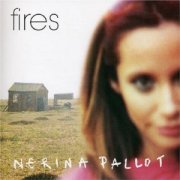
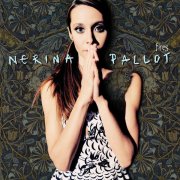
After being dicked around by the industry, resulting in a withdrawn album, Nerina Pallot released 2005's Fires on her own label, unsurprisingly, although a slightly remixed version gained a reissue the following year on 14th Floor (thus the two sleeve designs above). Basically, it's straightforward pop/rock with a dancey edge, so not something you're probably going to get too het up about, frankly. It probably does what it does well enough (interesting production tricks include reverse tubular bells on Mr King), but is that bloody Autotune I hear on a few high notes? Patrick Warren plays Chamberlin, with nicely overt flutes and strings on Geek Love, although the strings on Idaho are real.

2011's Year of the Wolf is better all round, the dance influence having seemingly withered into a far more palatable singer-songwriter pop/rock style. Highlight? Has to be the lovely Celtic harp section at the end of All Bets Are Off. Bernard Butler plays what sounds like real Mellotron on two tracks, with upfront, stabbed flute chords on Butterfly (plus real strings) and volume-pedalled strings on I Do Not Want What I Do Not Have.
All in all, Fires is professional, heartfelt, but tedious, with one passable Chamby track, although Year of the Wolf is both much more listenable and more worth it on the tape-replay front.

Official site

Bruce Palmer  (Canada)

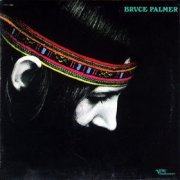
Bruce Palmer, 'The Cycle is Complete'

The Cycle is Complete  (1971,  35.41)  **½/TT

Alpha Omega Apocalypse
Interlude
Oxo
Calm Before the Storm

Current availability:

Chamberlin(s) used:

Bruce Palmer is best known as bassist for Buffalo Springfield, although he played with his old compadre Neil Young in the early '80s, too. The Cycle is Complete is his only solo album, and while the influence of Hendrix's 1983 (A Merman I Should Turn To Be) is fairly evident on side-long opener Alpha Omega Apocalypse, I'm not at all certain that its spirit is anywhere to be found, probably due to Palmer (and possibly everyone else concerned's) heroic drug intake. The country fiddle is an interesting addition to the already well-worn 'tripped-out jam' format, but, although this actually sounds strangely contemporary in a way, it's still an acid jam that's probably designed (if that isn't too strong a word) to be listened to in the same spirit in which it was made. The rest of the album's pretty similar, albeit shorter, with more tablas and the occasional vocal, but overall, it's pretty stoned stuff, and not that good at it, either.

Edward Roth or Jeff Kaplan (or both?) plays what's likely to be a Chamberlin on closer Calm Before The Storm. A major string part runs right through the ten-minute track, overlaid with that distinctive Chamby solo male voice, which pretty much confirms its use, I'd say, although I suppose it could be 'Tron strings and Chamby voice? In fact, the only instrumentation on the track is acoustic guitar, Palmer's lead bass, tablas and two Chamberlins, making it a surprise minor Chamby classic, especially considering the general tedium induced by the rest of the album.

So; a rather second-rate jamming album with one great (and unexpected) Chamby track, although whether it's worth picking up for that alone can be a decision only you can make, dear reader. As a sad postscript, Palmer's lifestyle caught up with him eventually, and he died of a heart attack in 2004, aged 58.

Paloalto  (US)

Paloalto, 'Paloalto'

Paloalto  (2000,  53.15)  **/T

Depression Age
Sonny
Monolith
Throw the Brick
Home
Some Things Must Go This Way
The Mayor and the Seizure Pills
Coming Back From the Sun
Too Many Questions
Swim
Beauty of Disaster
Made of Stone

Current availability:

Chamberlin used:

Paloalto seem to be yet another in a long line of production-line US indie outfits, a bit grunge, a bit fifth-rate folk-rock, a bit, well, a bit what? This is apparently the reality of 'alternative rock', which, I have to say, is the equivalent of much 'alternative comedy', i.e. an alternative to it rather than of it. Even when the overlong Paloalto rocks, it doesn't really, as if the musicians concerned had never actually heard any actual rock music, but had made an album based on a description of it, which they hadn't fully understood. I can't tell you what its 'best tracks' are, as there aren't any; they're all a horrible whiny mess, and I can only urge you not to bother picking this up under any circumstances whatsoever.

The wholly ubiquitous Patrick Warren plays Chamberlin on the record, with flutes and strings on Home, and while it could be hiding in the mix elsewhere, in true Chamby style, it's just as likely to be sustained guitar. Thankfully, the band appear to have called it a day, although they managed to spit out one more slice of tedium before they imploded, 2003's Heroes and Villains, which you can be absolutely sure sounds nothing like The Beach Boys.
Pancake  (Germany)

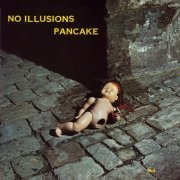
Pancake, 'No Illusions'

No Illusions  (1979,  36.15)  ***/TTT

Must Miss Your Smile
Fire and Rain Songs
Dream Deltaland
No Touch of Illusions
Autumn Leaves
I Try

Current availability:

Mellotron used:

Going by 1979's No Illusions, Pancake were more of a hard rock outfit than the more expected prog, although their female vocalist softened their edges slightly. Saying that, Dream Deltaland and Autumn Leaves are pretty damn' prog, although they never really escape their hard rock background.

Much of the album's keyboard work is rather average, but they get some 'Tron onto five out of six tracks, although it doesn't always sit comfortably with their style. Dream Deltaland has some background strings from Uli Frank earlier in the song, before some seriously grandiose choirs towards the end, rivalling just about anyone's use, really, although they never quite hit those heights again. Otherwise, there are 'Tron strings on Fire And Rain Songs and No Touch Of Illusions, then more choir on Autumn Leaves and I Try, but despite fairly heavy use, the album isn't really any sort of 'classic'. Pick it up if you find it cheap.
Pangée  (Québec)  see: Samples

Panthers  (US)

Panthers, 'Things Are Strange'

Things Are Strange  (2004,  50.12)  **½/½

Legally Tender
Theory is Famous
We Are Louder
Stroke My Genius
If You Were Once Young, Rage
Walk of Shame
Thank Me With Your Hands
My Commodities Have Been Fetishized
Weird Birds

Current availability:

Mellotron used:

Panthers are a Brooklyn-based hardcore band who defy the genre's 'rules' by slowing down and giving their music more of a groove. I'm not saying you'll necessarily like this, just what it is. Their second album, 2004's Things Are Strange, irritated me almost immediately, largely due to Jayson Green's infuriatingly tuneless vocals and the band's insistence on one-dimensional riffing when I'm sure they're capable of actually doing something interesting. And why are the songs so bloody long? Nine tracks in fifty minutes? Four over seven minutes? Closer Weird Birds is about the best of a fairly sorry selection, managing to find a decent riff halfway through and some genuine power, but that's not really much of a recommendation.

Simon Wojan guests on trumpet and keys, including, rather self-evidently, Mellotron, with rather discrete strings, briefly, on Walk Of Shame, though that seems to be your lot. Hardly worth the effort, really. Anyway, not a very interesting album, unless you happen to like post-hardcore stuff by one of its lesser practitioners.

Pantommind  (Bulgaria)  see: Samples

Paper Chase  (US)

Paper Chase, 'Young Bodies Heal Quickly, You Know'

Young Bodies Heal Quickly, You Know  (2000,  52.07)  **½/½

This May Be the Last Song You Ever Hear
These Things Happen
Ever Since the Turn
Apple Pies and Alibis
Neat, Manageable, Piles
Can I Pour You Another Drink, Lover?
Lenny What's Gotten Into You?
Goddamn These Hands (I Let Them Touch You)
A Face Like That Could Launch a Thousand Ships
Throw Your Body on the Apparatus
Off With Their Heads!
Daddy's Got Your Nose
Paperwork
When You Least Expect it
When (and if) the Big One Hits... I'll Just Meet You There

Current availability:

Chamberlin used:

The Paper Chase are Texas-based producer John Congleton's project, whose first full album, 2000's Young Bodies Heal Quickly, You Know, is probably best described as 'skronky indie', although I'm sure the band's fans would (and possibly will) object to such an oversimplification. The samples are noisy, the vocals are shouty, the riffs are angular, but not in a good way. Your bag? Maybe, but not mine.

Congleton plays Chamberlin on Ever Since The Turn, with a sustained flute note near the beginning and choir chords here and there that sound more like a Mellotron to my ears. Is this genuine? The flutes last too long for anything except samples or studio trickery, while the choirs don't even sound like a Chamby. I think we should be told. To be honest, I can't really recommend this to any but lovers of the noise/indie crossover area anyway, making it all slightly irrelevant.

Fan site

Paper Route  (US)

Paper Route, 'Absence'

Absence  (2009,  49.57)  */½

Enemy Among Us
Wish
Carousel
Good Intentions
Tiger Teeth
Be Healed
Last Time
No Sudden Revelations
Gutter
Are We All Forgotten
Lovers' Anthem
Dance on Our Graves

Current availability:

Mellotron used:

Paper Route (as Americans, doubtless pronounced to rhyme with 'shout' rather than 'shoot') play the worst kind of indie/dance crossover, going by their sole album to date, 2009's Absence. Opener Enemy Among Us is best described as shit electro/indie, I suppose, the rest of the album drifting between the two styles indiscriminately, making for one of the most depressing listening experiences I've had to suffer all month, which, given that I'm currently exclusively reviewing current releases, really is saying something.

Chad Howat plays Mellotron, with flutes on opener Enemy Among Us, and despite a couple of other probably false alarms, that would appear to be it. Just think, had I known that in advance, I could've skip-played the bulk of this crummy, crummy album. I shall never retrieve those fifty minutes [sob]. And just to add insult to injury, the sleeve's deeply unimaginative, clearly designed by a dullard. Please go away.

Official site

Papercuts  (US)

Papercuts, 'Fading Parade'

Fading Parade  (2011,  37.42)  **/T

Do You Really Wanna Know
Do What You Will
I'll See You Later I Guess
Chills
The Messenger
White Are the Waves
Wait Till I'm Dead
Marie Says You've Changed
Winter Daze
Charades

Current availability:

Mellotron used:

Papercuts are essentially San Franciscan Jason Quever's solo project, helped out by friends. 2011's Fading Parade is possibly his/their fourth album, doubtless intended as some form of transcendental pop, but coming off as a strange combination of upbeat and dreary: lots of major keys, yet a rather depressing overall sound. Or is it just that I don't like it? I have to say, I really don't like it, actually; in Quever's company, thirty-seven minutes sounds more like an hour, his wispy, breathy, occasionally falsetto vocals making me gnash my teeth in irritation. No, there are no best tracks.

Someone (probably keys man David Enos) plays (real?) Mellotron cellos on Chills, actually taking a solo in the middle of the track. Welcomingly unusual Mellotron use, but pretty much unrecommendable otherwise. Maybe you have to be a hipster to get this kind of stuff.

MySpace

Didier Paquette  (France)

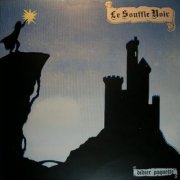
Didier Paquette, 'Le Souffle Noir'

Le Souffle Noir  (1981,  43.41)  ***½/T

Les Chevaliers de Rolon
La Cité des Golodhrims
Tres Précieux Tresor de Gollum
Arwen Normaire
Le Spectre des Minas Morgul
Le Dernier Chant des Elfes
Les Havres Gris

Current availability:

Mellotron used:

Didier Paquette's Le Souffle Noir ('the black breath') is a lesser-known entrant in the 'music inspired by Lord Of The Rings' category, the title referring, of course, to one of the Nazgûls (Ringwraiths)' secret weapons. Er, not that I've actually read the book or anything, you understand... Musically, the album veers between mostly instrumental progressive rock (Arwen Normaire's treated vocals being the sole exception) with a slightly Germanic feel, and an even more Teutonic electronic style (notably on the brief Tres Précieux Tresor De Gollum). I have to say that none of it exactly inspires image of Tolkien's great work; Bo Hansson's Lord of the Rings does a far better job of that. Saying that, we all see and hear different things in literary works, so who's to say that this album has no connection with the book?

Paquette's Mellotron work is actually quite limited, with a large proportion of the album's keys coming from still relatively-new (thankfully pre-digital) polysynths and more traditional monosynths. The most obvious 'Tron comes within the album's first minute, with a short string part on Les Chevaliers De Rolon, with Le Dernier Chant Des Elfes having no more than some distant, heavily-treated choirs. Both Arwen Normaire and Le Spectre Des Minas Morgul have something similar, but with note-lengths way over the eight-second mark, while I have no idea what it is, it's most unlikely to be a Mellotron.
So; not a bad album, but no classic, and given its relative rarity, certainly not worth the large sums some dealers may wish to charge you. If, however, you find it cheap (it does happen), or you get the chance to obtain a CD-R, go for it.

Vanessa Paradis  (France)

Vanessa Paradis, 'Vanessa Paradis'

Vanessa Paradis  (1992,  37.39)  ***/T½

Natural High
I'm Waiting for the Man
Silver and Gold
Be My Baby
Lonely Rainbows
Sunday Mondays
Your Love Has Got a Handle
  on My Mind
The Future Song
Paradis
Just as Long as You Are There
Gotta Have it

Current availability:

Mellotron used:

Vanessa Paradis is probably better known as an actress than as a singer, particularly in her native France. Remembered best elsewhere for her teenage hit Joe Le Taxi (1987), Vanessa Paradis was her third album, effectively in collaboration with Lenny Kravitz, with whom she was apparently in a relationship at the time. It's far better than I expected, I have to say, although at times it sounds more like a Kravitz album with a girly singer (Paradis was all of twenty at the time of its release), although when you consider that he wrote most of it, produced it and played on every track, that's hardly surprising. To my ears, it begins to drag after a few tracks, and actually seems to become more 'commercial' as it goes along, although maybe I was just becoming fatigued at the sound; it's still an awful lot better than you'd ever expect of an album by a young French actress (sorry, but you know what I mean...). Saying that, both the near-instrumental Paradis, and the frankly bizarre Gotta Have It that closes the record, are well off the mainstream, providing a much-needed antidote to some of the blander material surrounding them.

Other interesting tracks include the Velvet Underground's Waiting For The Man, which, when heard being sung by a woman, accentuates the sexual ambivalence implied by the title, and the album's two ballads. Both have Mellotronic input, with Kravitz playing flutes all the way through Silver And Gold, and more of the same, uncredited, on Lonely Rainbows, which is probably Kravitz again, but could possibly be his regular keyboard player, Henry Hirsch, who plays on several tracks here.

So; do you? Not if you're after heavy-duty prog, but then you probably aren't even reading this anyway. Vanessa Paradis is actually a much-better-than-expected pop/rock album, not a million miles away from Mr. Kravitz's usual material. Couple of OK 'Tron tracks, but certainly not worth purchase on their behalf, even though that's exactly what I did.

Fan site

See: Lenny Kravitz

Pariah  (US)

Pariah, 'To Mock a Killingbird'

To Mock a Killingbird  (1993,  49.55)  **½/½

Anesthesia
Did I Hear You Say...?
Make Believe (Jesus Freak)
Powerless
Junk Mail
Love to Turn You on
Nobody Listens
Do You Know How to Rock
Letter to Myself
Torn and Tied
This Means War
Love
Sick Kid

Current availability:

Mellotron used:

After an independent release, Pariah released their sole major-label album in 1993, To Mock a Killingbird (ho ho), by which time the metal scene had suffered a major upheaval with the arrival of grunge and the total collapse of the '80s 'hair' style (hurrah!). Not that it's a full-on hair-metal album; they'd clearly been listening to the mighty King's X, amongst others, but there are too many pointers on the record to the previous decade to ignore, frankly. I mean, Alice in Chains managed to make the transition, not to mention Pantera, even if the latter uselessly tried to deny for years that their first three albums were by the same band... Anyway, this album has its moments, mostly the quiet ones (notably brief acoustic guitar piece Love), but overall, you can see why Geffen wasted their money on them; derivative, few decent songs and a seeming inability to decide what they actually wanted to sound like.

Jeffrey C.J. Vanston plays Mellotron, but only just, with a few seconds of strings in the dying seconds of closer Sick Kid. All in all, then, unless you're really into that late '80s/early '90s hard rock thing, you do not need this album and don't even mention the Mellotron.

Paris  (US/UK)

Paris, 'Paris'

Paris  (1976,  40.54)  ***/½

Black Book
Religion
Starcage
Beautiful Youth
Nazarene
Narrow Gate (La Porte Etroite)
Solitaire
Breathless
Rock of Ages
Red Rain

Current availability:

Mellotron used:

After American Bob Welch (here credited as Robert) left Fleetwood Mac in disgust at their infighting, he formed a power trio, Paris, with ex-Jethro Tull bassman Glenn Cornick, who doubled on keyboards, and ex-Nazz (Todd Rundgren's first serious band) drummer Thom Mooney. I think it's safe to say that their debut, Paris, rips Led Zeppelin something rotten, with Black Book, Religion and Beautiful Youth being total Zeppalikes, and Welch's vocals on most tracks cutting Robert Plant just a little too close for comfort. Saying that, it's not a bad album, just rather more derivative than it might and should have been. It does feature tricks that Zeppelin never used, such as the sequencer lines on Starcage, and when Welch gets funky, he sounds nothing like Jimmy Page whatsoever.

This is actually one of those albums that I put on with no expectation of Mellotron use whatsoever, and after a false alarm re. the string synth on Beautiful Youth, I thought I'd got away with it. But no. Come the first track on side two (the longest, and probably the album's best track), Narrow Gate (La Porte Etroite), after a few more Zep-esque minutes, suddenly Cornick's Mellotron strings appear, bolstered with a whiny synth note at the beginning of each chord, making me wonder for a moment if it was more of that string synth. Has to be 'Tron, though, and it lifts the track very nicely indeed, I have to say.

So; one for '70s hard rock aficionados, or Zeppelin fans who just can't get enough of that sound, I suspect. Not enough 'Tron to make it worth hearing for that, although it's not too a bad album overall. File under 'a bit average'. There was a second Paris album later the same year, Big Town 2061, but I understand it's rather funkier than their debut, and is highly unlikely to feature any Mellotron input.

Official Bob Welch site

See: Fleetwood Mac | Jethro Tull

Patrick Park  (US)

Patrick Park, 'Loneliness Knows My Name'

Loneliness Knows My Name  (2003,  40.48)  **½/0

Thunderbolt
Honest Skrew
Suns of Guns
Nothing's Wrong
Your Smile's a Drug
Something Pretty
Silver Girl
Desperation Eyes
Past Poisons
Bullets By the Door
Home for Now
Untitled
Patrick Park, 'Everyone's in Everyone'

Everyone's in Everyone  (2007,  40.27)  **½/T

Life is a Song
Time for Moving on
Here We Are
Stay With Me Tomorrow
Arrive Like a Whisper
Nothong's Lost
Pawn Song
Saint With a Fever
One Body Breaks
There's a Darkness
Everyone's in Everyone

Current availability:

Mellotrons used:

Patrick Park is an Americana-influenced singer-songwriter, whose debut album, 2003's Loneliness Knows My Name veers off into near-MOR territory too often for comfort. I suspect that's more to do with his then label, Hollywood, who are very mainstream indeed, than his own inclinations, but it's hard to say. Don't get me wrong, it has its moments (Past Poisons almost rocks out for a minute), but Park's rather insipid voice tends to drag most of the material down to the same level. Michael Krassner allegedly plays Mellotron, but I'll be buggered if I can hear where; maybe there's some cellos buried in the mix somewhere? All the strings appear to be real, so I've really no idea. All in all, this is pretty dull fare, albeit heartfelt, which is better than dull and corporate, I suppose. No obvious 'Tron, anyway, just on the offchance you were thinking of ignoring the rest of this review and shelling out for a copy.

After an interim live release, Park followed up with 2007's Everyone's in Everyone, not dissimilar to its predecessor in its shallow take on the singer-songwriter genre; the closing title track's probably the best thing here, but I'm afraid that isn't saying much. Brandon Bush on 'Tron this time round, with flutes on the title track, so despite a couple of other 'possibles' (the strings on Arrive Like A Whisper and strings and cellos on Saint With A Fever), it seems likely that this is the only actual use.

Park isn't the most exciting of artists, which probably makes him far more popular than those of higher levels of integrity; in fairness, he probably doesn't see it that way, but I do. Two dull albums, very little Mellotron.

Official site

Zeena Parkins & Ikue Mori  (US)

Zeena Parkins & Ikue Mori, 'Phantom Orchard'

Phantom Orchard  (2004,  39.20)  ***/½

Jezebel
Savage Flower
Miura
Ghostlake
Deft
39 Steps
Transparent Things
Contraband
Blue Noon

Current availability:

Mellotron used:

Zeena Parkins is a harpist who's stepped way outside most players' comfort zone, having worked with the likes of Björk, John Zorn and Fred Frith, while Ikue Mori is a Japanese-born drummer who operates mainly in the New York Tzadik label scene. What both women clearly have in common is a disregard for doing things the way they 'should' be done, being more interested in finding new routes. Their 2004 collaboration, Phantom Orchard, is a highly experimental work involving synthesized sounds, plus the occasional actual harp or percussion part, which is probably only going to appeal to the more avant-garde crowd, although that isn't to dismiss this fascinating album in any way.

Parkins is credited with Mellotron, but the only things on the album that even might be one are the distant strings and possible other stuff on Ghostlake, although they could be pretty much any modern keyboard, to be honest. Far more exciting then the Mellotron, though, are Parkins' synths of choice, among them a Moog III modular, a Buchla 200 and a Gleeman Pentaphonic Clear. Gleemans (Gleemen?) are rare enough in any form, but they only built a few perspex ones, not that its case affects its sound in any way, of course. Enough synth fan-boyness.

Anyway, you're not going to buy this for its minimal Mellotron input, but as an experimental work, it's second to none.

Official Zeena Parkins site

Official Ikue Mori site

Aaron Parks  (US)

Aaron Parks, 'Invisible Cinema'

Invisible Cinema  (2008,  54.56)  ***½/T

Travelers
Peaceful Warrior
Nemesis
Riddle Me This
Into the Labyrinth
Karma
Roadside Distraction
Harvesting Dance
Praise
Afterglow

Current availability:

Mellotron used:

Aaron Parks is a young American jazz pianist who, like many similar, involves himself in various projects as both sideman and leader. 2008's Invisible Cinema is his fifth solo album (he's recorded well over a dozen as a sideman to date), consisting of thoughtful piano jazz that rarely heads off into 'jazz solo hell', for which I am truly grateful. Parks' compositional skills are formidable, memorable melodies to the fore on many tracks, with some great prog moves from guitarist Mike Moreno on Harvesting Dance.

Parks plays the Mellotron himself, with a background flute line on Nemesis, although that would appear to be it. If you're not entirely allergic to jazz, you could do a lot worse than to make the effort to hear Invisible Cinema, although, like so many others, it's not worth it for its Mellotronic content.

Official site

Matthew Parmenter  (US)

Matthew Parmenter, 'Astray'

Astray  (2004,  68.14)  ****/TTT½

Now
Distracted
Dirty Mind

Another Vision
Some Fear Growing Old
Between Me and the End
Modern Times
Matthew Parmenter, 'Horror Express'

Horror Express  (2008,  60.14)  ****/TT

In the Dark
O Cesare

Escape Into the Future
Kaiju
Snug Bottom Flute and Starveling
Golden Child
Monsters From the Id
Polly New
All Done (Horror Express)
The Cutting Room

Current availability:

Mellotrons used:

Throughout the '90s, vocalist and multi-instrumentalist Parmenter was the leading light in US progsters Discipline, releasing one live and two studio albums, including the excellent Unfolded Like Staircase. Although the band are now history, Parmenter is still very much active, releasing his first solo album, Astray, in 2004. Downbeat and intensely personal, the album's tempos rarely rise above adagio, while the ghosts of Discipline's Peter Hammill/Van der Graaf influences still hover in the background, particularly on Modern Times, though not enough to actively intrude. The seven lengthy pieces unfold slowly, driven (albeit slowly) by Parmenter's ever-present piano, with other keyboards appearing when necessary. Parmenter actually plays every instrument on the album except, strangely, bass, so that must be his violin on Some Fear Growing Old, not to mention the infrequent drum parts. Rather suspect Mellotron on four tracks; largely strings, although there's a flute part in Distracted and some choirs in Dirty Mind. Mostly used with great subtlety, the 'Tron is even more startling when it leaps to the front of the mix, as at the beginning of the longest track, Modern Times.

Four years on, Parmenter follows up with the even more Hammillesque Horror Express, following in its predecessor's footsteps. He's not lying; much of this piano-heavy album could be used to soundtrack a 'scary rather than bloody' horror flick, although it has its more upbeat moments, notably Polly New. The Jacksonesque sax work on All Done (Horror Express) is possibly a Van der Graaf too far, but the album's well worth the four-year wait, despite its lack of originality. Rather more minor (still suspect) Mellotron use this time round, with occasional strings on opener In The Dark, more of the same on O Cesare, strings and choirs on Polly New and closer The Cutting Room. Would it be unfair of me, though, to say, "Matthew, old son, please could you develop your own voice?". Like its predecessor, this is an excellent album, but it's an excellent Peter Hammill album, and I want to hear a Matthew Parmenter record.

All in all, these are excellent albums by a considerable talent, although liking Discipline's music doesn't necessarily qualify you for liking them. However, if you feel that melancholy but powerful (albeit heavily Hammill-influenced) progressive rock is your bag, not to mention some good 'Tron, these comes heartily recommended.

See: Discipline

Andy Partridge  (UK)  see:

Andy Partridge

Pas Chic Chic  (Québec)

Pas Chic Chic, 'Au Contraire'

Au Contraire  (2008,  37.53)  ***½/TTTT

Haute Infidélité
Tes Clichés Déclenchés
En Chaine et en Vogue

Mlle Mille
Aude Aux Ondes
Vous Comprenez Pourquoi

Se Mirer Mare
Haydée Morcelée
Brise Méprise
Plein Soleil

Current availability:

Mellotron used:

Pas Chic Chic's Au Contraire is that rare thing, an album influenced by French '60s pop that isn't a pile of okapi dung. How much of that is down to its Mellotron content is hard to say, but another factor is the band's refusal to do that awful fey Stereolab/Saint Etienne thing, actually sounding far more 'genuine' in the process. It's difficult to pick out best tracks, as the quality of most of the material's pretty high, but the slightly Morricone-esque En Chaine Et En Vogue and the guitar-heavy Vous Comprenez Pourquoi call attention to themselves.

Marie-Douce and Roger Tellier-Craig both play Mellotron, sounding mostly very genuine, although I spotted a high string note at one point that's held far too long. Studio trickery? Anyway, one listen to the album tells you why they need two players: opener Haute Infidélité is smothered in 'Tron strings, with flutes and strings on Tes Clichés Déclenchés, strings on En Chaine Et En Vogue, less upfront strings on Aude Aux Ondes and Vous Comprenez Pourquoi and choirs on Brise Méprise, finishing with another major string part, plus cellos on closer Plein Soleil. A decent album all round, contrary to expectations, with loads of good (and hopefully real) Mellotron use. Recommended?

MySpace

Passport  (Germany)  see:

Passport

Patrice  (Germany)  see: Samples

Pattern is Movement  (US)  see: Samples

Polly Paulusma  (UK)

Polly Paulusma, 'Fingers & Thumbs'

Fingers & Thumbs  (2007,  48.48)  **/½

Godgrudge
Where I'm Coming From
All the Time
Day One
This One I Made for You
Back to the Start
Fingers and Thumbs
Ready or Not
The Woods
Matilda

Current availability:

Chamberlin used:

Polly Paulusma's Fingers & Thumbs is her second studio album, although her second actual release, 2005's Cosmic Rosy Spine Kites, seems to be one of those 'mostly new material played live' efforts. 2007's Fingers & Thumbs is, well, thoroughly bland, I'm afraid to say, many of its songs too long for their musical content, notably the needlessly wordy All The Time and the title track. I'm sure this is mostly about the lyrics, but without an interesting musical base to support them, I'm not sure I can see the point.

Polly plays Chamberlin herself, although the only place it even might be found on the album is a few seconds of not very Chamberlin-sounding cellos on The Woods. So; dull singer-songwriter fare, little tape-replay. Maybe not.

Official site

Pavement  (US)

Pavement, 'Brighten the Corners'

Brighten the Corners  (1997,  46.09)  ***/T

Stereo
Shady Lane
Transport is Arranged
Date With IKEA
Old to Begin
Type Slowly
Embassy Row
Blue Hawaiian
We are Underused
Passat Dream
Starlings of the Slipstream
Fin (a.k.a. Infinite Spark)

Current availability:

Mellotron used:

Brighten the Corners was Pavement's fourth album, which many critics seem to compare very favourably with their previous efforts, the general consensus being that it's better than its predecessor, Wowie Zowie. I don't really know how to describe this, to be honest; scratchy indie? Post-hardcore? Mainman Stephen Malkmus knows how to write a lyric, I'll admit, even if I'm not always so enamoured with the music; clever lyric-writing always adds points, when you look at the meaningless toss that most 'artists' peddle to their unthinking public.

'Tron flutes (player unknown - Malkmus?) on Transport Is Arranged, with a nice part running through most of the song, but that appears to be it. Despite rumours, there's no audible 'Tron on their follow-up, '99's Terror Twilight (***), which, in all honesty, I found a little dreary. So; one nice 'Tron track on Brighten the Corners, but that's your lot.

Official Stephen Malkmus site

Pavlov's Dog  (US)  see:

Pavlov's Dog

Pawa Up First  (Québec)  see: Samples

Kendall Payne  (US)

Kendall Payne, 'Jordan's Sister'

Jordan's Sister  (1999,  55.18)  **/T

Closer to Myself
Supermodels
Wonderland
Hollywood
Honest
The Second Day
It's Not the Time
On My Bones
Modern Day Moses
Perfect By Thursday
Formerly Known as
Never Leave
Fatherless at 14

Current availability:

Mellotron/Chamberlin used:

Kendall Payne plays rootsy Christian AOR, essentially, although more in its current sense than the 'stratospheric vocals and screaming solos' '80s variety. Unsurprisingly, her 1999 debut, Jordan's Sister, is as dull as ditchwater, full of cheeso ballads and cheery, uptempo numbers that sound like a million other artists, with extra added God. On My Bones is particularly bad, but absolutely nothing here made me think, "Hmmm...", even for a second.

Ron Aniello plays Mellotron and Chamberlin, with Chamby (?) strings on opener Closer To Myself and Mellotron (?) flutes on Hollywood, heard on their own at the end of the track, although most of the album's strings sound real, even going by Chamberlin standards. It may be hidden in the mix elsewhere, blah blah blah. You know what I'm going to say here, so I won't even bother saying it.

Official site

Pazop  (Belgium)

Pazop, 'Psychillis of a Lunatic Genius'

Psychillis of a Lunatic Genius  (1996, recorded 1972-73,  61.10)  ***½/T

Le la Loo Loo le la
Harlequin of Love
Crying for Disaster's Hand
What is the Further Purpose
Swaying Fire
Mirela
Freedom Dance
Lovelight
Bami, Lychee, Si
Harlequin of Love [Second Version]
Can it Be Sin
And the Hermit Will Be the Master
M.M.M.
In the Army (Devil Likes Smoke)
Airport Formalities and Taking Off Stewardess and Breakfast
It's the End

Current availability:

Mellotron used:

Pazop are another in the seemingly unending stream of bands whose work was never released at the time, sometimes deservedly, although that in no way applies in this case. Psychillis of a Lunatic Genius (no, I don't know either) is an accomplished, jazzy, slightly Zappa-esque, guitarless progressive release, consisting of the unreleased 1972 album of the same name, plus more unreleased recordings ('the second album') from the following year. The resulting collection is slightly overlong, but I can't imagine what you'd drop to make it a more listenable length; after all, it's only an hour... Highlights include Swaying Fire and Bami, Lychee, Si, but (Zappa humour aside) there's little here to upset the more adventurous prog fan.

François Louis "Frank" Wuyts plays keys, and while there's no Mellotron on the '72 album, it appears on a couple of the '73 tracks, with string stabs on Bami, Lychee, Si and a major part several minutes into Can It Be Sin, although not really enough to garner the album more than one T. Like a good few others that spring to mind (not least the wonderful Autumn album), Psychillis of a Lunatic Genius is a worthy rescuee from obscurity, showcasing a previously-unheard side of Belgian prog, a million miles away from Machiavel's later symphonics. Worthwhile, though not really for the Mellotron.

Pazzo Fanfano di Musica  (Japan)

Pazzo Fanfano di Musica, 'Pazzo Fanfano di Musica'

Pazzo Fanfano di Musica  (1989,  49.35)  ****/T½

Preludio
Fiori per Algernon
Sospiri del Fiore
La Dolce Follia
Agilmente
Intermezzo I
Affettuoso
Fragoroso
Intermezzo II
Onde
Anniversario

Current availability:

Mellotron used:

Well, here's an oddity for you (again); a late-'80s Japanese progressive band pretending to be an early-'70s Italian outfit, although I believe it was a quite deliberate 'tribute'. Mind you, finding that weird is really only cultural imperialism; we're quite used to artists worldwide copying the English-speaking model, so what makes another culture any less admirable and worthy of emulation? At least Pazzo Fanfano di Musica (which almost translates as 'mad fanfare of music') were honest enough to admit their real names etc., unlike the frankly bizarre Ballettirosadimacchia, who were probably Japanese, yet actually trying to pass themselves off as Italian (!).

Pazzo Fanfano di Musica itself is a beautiful album, in the grand Italian tradition, completely different to the 'typical' Japanese '80s sound, aside from the occasional female vocals. They were more of a project than a band per se, with ten members credited, including four different keyboard players (one of whom was the semi-legendary Motoi Sakuraba), a violinist and a flautist, with several of the players being from known outfits (Teru's Symphonia, Outer Limits). This gives the album something of a pseudo-classical sound in places, with much solo violin, and frequent periods of drumlessness; in fact, it's quite a shock when the full band first comes in during track two, Fiori Per Algernon ('Flowers for Algernon', presumably inspired by the book). Actually, all the titles make more-or-less sense in Italian, so I suspect a little genuine Italian input, although all band members were Japanese.

As far as the Mellotron (assuming it's real; it is credited) goes, Katsuhiko Hayashi and/or Tomoki Ueno play an ominous string line on La Dolce Follia, then flutes and strings (mixed with presumably real Hammond) on lengthy closer Anniversario - suspect they do one each. Shame it wasn't used more, but given the project nature of the album, it may only have been available for short periods, or in one of several studios.

So; an excellent effort, far better (to my ears) than most of their Japanese contemporaries, many of whom sound pretty damn' cheesy in retrospect. If you go for 'that Italian sound' (whadd'ya mean, you don't?!), this won't disappoint. The bad news is, it appears to be long out of print, so you'll have to track someone down who's prepared to copy it, or haunt eBay like some sort of prog-obsessed spectre.


previous pagenext page