




|
|
|
|
||
|
|
Mario Barbaja Barbarossa Anton Barbeau |
The Bards Barefoot Jerry Nicklas Barker |
Jimmy Barnes Richard Barone Syd Barrett |
Luciano Basso Luis Emilio Batallán |
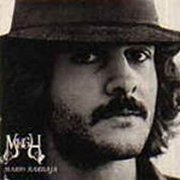 |
Megh (1972, 38.27) ***½/T½Un po' di Burro sul Mio PaneSono Stato Una Promessa In Quella Città Tan Non Dire Mai In Quella Città (la Leggenda) Sereno Qui Un'Armonica |
Current availability:
Mellotron used:
I don't know an awful lot about Mario "Barbaja" Barbaglia, although I've seen him described as 'progressive'. Hmmm. Megh consists of a diverse collection of slightly progressive Italian pop, but there's no way I'd describe it as 'prog', although there's the odd better-than-average track along the lines of the Indian-sounding Tan and the interestingly oblique In Quella Città (La Leggenda).
Franco Orlandini plays Mellotron on four tracks, with what sounds like some rather muffled strings on Tan, more overt parts on Non Dire Mai and In Quella Città and a nice flute part on Un'Armonica. However, you really couldn't call this a Mellotron Album, to be honest. Not bad, but not worth spending a great deal of time and/or money on.
 |
Imager (2015, 40.46) ***/TT½ |
|
| Imager Home Solid Soul Settle Nevada Dark Hopes Silent Island Muted |
Human Feel The Wall |
|
Current availability:
Mellotron used:
Barbarossa is Londoner James Mathé's nom-de-plume, his music mutating from (apparently) 'folk-tinged balladry' to 'electronic soul' over the course of a few albums. 2015's Imager is, essentially, an electronica record, albeit with Mathé's soulful vocals riding above the synths, better tracks including the mournful Home, Dark Hopes and Muted; the more rhythmless, the better, basically.
In an online interview, Mathé states that he played Home 'on an actual Mellotron'. The strings (in fifths and full chords, on at least two separate tracks) have that indefinable 'real Mellotronness' about them, which makes a very pleasant change, in these days of routine, uncredited sample use. More of the same on Dark Hopes, Silent Island and Muted, although Home is the album's Mellotronic tour de force. So; not really my bag, but good at what it does, aided by that real machine.
 |
Magic Act (2016, 44.32) ****/TTT |
|
| High Noon Flying Spider Milk Churn in the Morning City By the Sea Sit Your Leggy Down Broken in Two Black Lemon Sauce Heavy Psychedelic Toilet |
Euphemism & Innuendo The Wait of You Swindon Blue Lamp Rider Hop Skip a Jump Heavy Psychedelic Toilet (Reprise) |
|
 |
Natural Causes (2018, 41.10) ****/TTT |
|
| (preamble) Magazine Street It's the Coffee That Makes the Man Go Mad (preambiguation) Disambiguation Secretion of the Wafer Magic Sandwiches Summer of Gold |
Just Passing By Neck Pillow Creepy Tray Mumble Something (penultimate outro) Down Around the Radio (ultimate outro) |
|
 |
Manbird (2020, 75.40) ***½/T½ |
||
| Manbird Across the Drama Pond Memory Tone Fear of Flying Savage Beak Chicken Featherweight Cowboy John Meets Greensleeves Beak |
Nest of Feathers Oh Dainty Beak And So Flies the Crow Coming Home Don't Knock the Mockingbird Flying on the Ground is Alright My Other Life Underneath the Mushroom Tree |
Auslanderbeak Dreamscape 4 Even the Swans Are Dirty Beak Part 2 Birds of North America Back to the Egg Manbird (Oxford Variation) Space Force |
|
Current availability:
Mellotrons used:
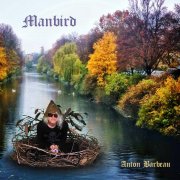
Three Minute Tease's Anton Barbeau is an American psychedelicist, based in Europe since the early 2000s, his songwriting sitting firmly in the psychedelic/powerpop crossover area, taking influences from the obvious (Beatles, XTC) and the less so (Soft Boys, Bevis Frond). It's difficult to say how many solo album's Barbeau's made, as his twenty-five-year catalogue is full of collaborations, compilations and other complications, but 2016's Magic Act is something like the twenty-first album to which he's put his own name. Top tracks? The bonkers Milk Churn In The Morning, Sit Your Leggy Down, Black Lemon Sauce, Heavy Psychedelic Toilet and Hop Skip A Jump, perhaps, although you'd be hard-pushed to find any weak spots on the album. I believe we're hearing the same 'turned to the kitchen wall' studio M400 as on the Three Minute Tease albums, although Barbeau also uses two sample packages, so the jury's out on what's real and what's not. Anyway, we get chordal choirs on Milk Churn In The Morning and City By The Sea, a flute melody on Heavy Psychedelic Toilet, upfront chordal strings on Euphemism & Innuendo, radically pitchbent choirs on Blue Lamp Rider and background ones on closer Hop Skip A Jump.
Two years on, Natural Causes sees Barbeau revisiting songs from across his career, both solo and in collaboration, alongside new material, guest appearances include Nick and Ade from The Bevis Frond, Pretenders/Macca sideman Robbie McIntosh and none other than XTC's 'almost missing in action' Colin Moulding. Personal favourites including Disambiguation, Summer Of Gold and the propulsive Just Passing By, although you'll do well to locate any weak points on the album. Mellotron on several tracks, with upfront choirs on opening one/two (preamble) and Magazine Street, with more of the same on Magic Sandwiches, distant strings on Secretion Of The Wafer, strings and choirs on Summer Of Gold, strings on Neck Pillow and a flute line and chordal strings on Creepy Tray, although Anton tells me he also used samples in places.
If 2020's strange concept effort Manbird has a fault, it's in the length department (as they say). Seventy-five minutes of Anton's indie/psych crossover is just too much to take at one sitting, concept or no concept. Top tracks? Fear Of Flying, the slowburn Chicken, the mad Cowboy John Meets Greensleeves, Don't Knock The Mockingbird, Underneath The Mushroom Tree... Loads of great material, but too much filler. Suffice to say, there's a great single album to be made from this. Three credited Mellotron tracks, with a single volume-pedalled flute note on the opening title track, a brief string part on Fear Of Flying and chordal choirs and a flute line (yes, that melody) on Cowboy John Meets Greensleeves, although I'm calling the sample police out for the uncredited choirs on My Other Life and Even The Swans Are Dirty.
See: Three Minute Tease
Barclay James Harvest (UK) see: |
 |
 |
The Moses Lake Recordings (2002, recorded 1968, 33.51) ***½/TT |
|
| Rainy Days I Had With You Laredo Oobleck Moses Reluctantly and Slow The Creation And the Light Broke He Made the World Seven Seas |
Green, Green Grass I'll Make Me a Man Up From the Bed of the River Amen Hollow Men |
|
Current availability:
Chamberlin used:
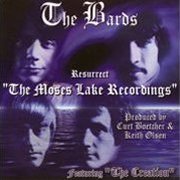
From Washington State, The Bards were a fairly typical mid-'60s garage outfit who, after releasing a handful of singles, fell in with the legendary Curt Boettcher (The Millennium), producing an album in 1968, unreleased at the time, which finally appeared in 2002 titled The Moses Lake Recordings. It's an odd mixture of their garage roots and mild psychedelia, its centrepiece being the fourteen-minute The Creation, a sort-of budget Electric Prunes quasi-religious mini-epic and the nearest the album gets to true psych. While no classic, it's also a world away from Boettcher's more usual sunshine pop productions, making it a worthy addition to the late '60s canon.
Mike Balzotti played Chamberlin on three parts of The Creation, with major string parts on He Made The World and I'll Make Me A Man (which sounds a little too pre-Rocky Horror for comfort), plus distant, reverbed strings on its brief closer, Amen. Overall, then, one for psych fans who think they've heard it all; given how many great recordings must've been lost over the decades, it's good to see something this worthwhile gain release, even if at least one of its creators (Boettcher himself) is long gone.
 |
You Can't get Off With Your Shoes on (1975, 36.10) ***/TT |
|
| Ali Baba Boogie Woogie Slowin' Down You Can't Get Off With Your Shoes on West Side of Mississippi The Measure of Your Worth Lucille Hero Frodo |
Sinkin' in the Sea Cades Cove |
|
Current availability:
Mellotron used:
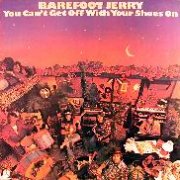
The Nashville-based Barefoot Jerry had an Area 615 connection, which will probably only mean anything much to you if you're into the country-rock end of things already. Their fourth album, You Can't Get Off With Your Shoes on, is a surprisingly appealing 'Southern'-style rock/country crossover, with plenty of dual guitar work and keyboard playing well outside Nashville orthodoxy, which has to be a good thing. Several tracks surprise with their variety; The Measure Of Your Worth starts as an average country toon, then shifts into 'Suvvern' mode before heading off on another tangent, not that unusual in the context of the record. Progressive country? Don't laugh... The preposterously-titled Hero Frodo straddles the line between a soft-rock ballad and a cut-down prog epic, while Sinkin' In The Sea's guitar intro could almost be Kansas.
Warren Hartman joined for the album, playing various 'boards, including Clavinet, Moog and Mellotron, the last-named audible on Slowin' Down (faint strings) and the solo flute and massed strings on Hero Frodo and closer Cades Cove. So; if this unusual mix of styles sounds like it might appeal to you, this is available with its predecessor, Watching TV, on a 2-on-1 CD. It won't be everyone's cup of tea, but what it does, it does well, with the added bonus of a couple of decent Mellotron tracks.
 |
Epektasis (2022, 36.32) ***½/TTHimlarymdernaOffret Celest Mekanik Mörkret på Berget Klingande Solar Klara Skyar |
Current availability:
Mellotrons used:
Anekdoten's Nicklas Barker's second solo work, 2022's Epektasis (subtitled för Mellotron, Arp Odyssey & Slagverk), does what it says on the tin, Barker using no more than the two named keyboards and occasional percussion. Anyone expecting full-blown prog, though, should probably look elsewhere; this is an album of drifting, meditative soundscapes, closer Klara Skyar being the sole exception, a more rhythmic, upbeat piece with its roots in Berlin School-style EM.
According to his Bandcamp page, Barker actually used two Mellotrons, with chordal choirs and a flute line on Offret, choirs on Celest Mekanik and strings on Klingande Solar and (in a more upfront role) Klara Skyar. Overall, the Odyssey does most of the heavy lifting, though, being multi-overdubbed on several tracks, the Mellotron largely used for no more than tonal colouring. While a decidedly pleasant listen, Epektasis is more (deliberately) background music than an album you'll be likely to listen to for its melodic content.
See: Samples etc. | Anekdoten | Kosmogon
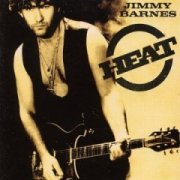 |
Heat (1993, 67.07) **½/TT |
|
| Sweat it Out Wheels in Motion Stand Up Burn Baby Burn Something's Got a Hold Love Thing Talking to You Stone Cold |
Wait for Me Tears We Cry Right By Your Side A Little Bit of Love I'd Rather Be Blind Not the Loving Kind Knock Me Down Catch Your Shadow |
|
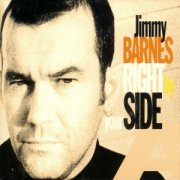 |
CDS (1993, 12.44) **½/TTT Right By Your Side Love Thing Love Will Find a Way (rough mix) |
Current availability:
Mellotrons used:
Ex-Cold Chisel frontman Jimmy Barnes is essentially Australia's answer to Joe Cocker, as far as I can work out, though with an even bigger reputation as a hard-drinking, hard-loving etc. etc. (yawn). Like Cocker, his reputation isn't borne out by his music, which seems to be largely anodyne 'middle-of-the-road rock', the sort of thing to which middle-aged guys listen to pretend they're still 'relevant' (see: Eric Clapton. If you must). 1993's Heat is his seventh solo album, released a decade after Cold Chisel's dissolution, fitting neatly into that 'return to the roots' sound that appeared in the early '90s, presumably in reaction to the '80s' production excesses. I'd hardly call it the most dynamic rock album I've ever heard, but it's always better to hear Hammonds and Clavinets as against crummy digital synths and sampled drums, at least as far as I'm concerned. Of course, it's vastly overlong (believe me, over an hour of this stuff has a peculiarly soporific effect), but at least's it's generally harmless.
Our old friend John Philip "Phil" Shenale (Tori Amos, Bangles, Willy DeVille) plays keys, including uncredited Mellotron (thanks, Tilo), apparently 'found in a cupboard' at the studio. As you do... We get strings (string section?) on opener Sweat It Out, cellos on Something's Got A Hold, regular strings on Love Thing and strings and flutes on Talking To You, although the strings on Stone Cold are real. Oddly, that's it for the album's Mellotron content, with nothing even on closing ballad Catch Your Shadow. One of the album's singles, Right By Your Side, features a non-album b-side, the soul-inflected Love Will Find A Way (Rough Mix), with the highest Mellotron content (strings and cellos) of anything here, making it a shame it isn't on reissues of Heat, although it can be found on disc two of 1997's imaginatively-titled The Best of Jimmy Barnes. The best thing about these releases is their Mellotron use, to be honest; the music's dull, mainstream stuff, only slightly enlivened by the Mellotron.
 |
 |
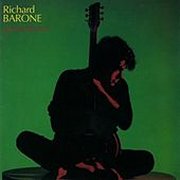
Primal Dream (1990, 45.58) ***½/T |
|
| Where the Truth Lies Before You Were Born Something Happens River to River Opposites Attracting I Only Took What I Needed Mr. Used-to-Be Native Tongue |
To the Pure... I'll Be Your Mirror Roman Circus |
||
 |
Clouds Over Eden (1993, 47.42) ***½/TT |
|
| Within These Walls Paper Airplane Forbidden Nobody Knows Me Clouds Over Eden Waiting for the Train Miss Jean Beautiful Human |
Standing in the Line Law of the Jungle Within These Walls (reprise) |
|
 |
Glow (2010, 44.33) ***½/TT |
|
| Gravity's Pull Glow Girl Silence is Our Song 1,2,3...Infinity Candied Babes Radio Silence Odd Girl Out |
Sanctified Yet Another Midnight Glow Symphony |
|
 |
download (2020, recorded 199?) ***½/T Shed My Skin |
 |
download (2020, recorded 1996?) ***½/TT Guru |
Current availability:
Mellotrons/Chamberlin used:
After his first band, the Bongos, split in the mid-'80s, New Jersey native Barone's solo career kicked off with a live album, Cool Blue Halo, presaging the 'chamber pop' of the following decade and including cellist Jane Scarpantoni of Tiny Lights. By his second solo release, 1990's Primal Dream, he was sitting fairly and squarely in singer/songwriter territory, with those chamber pop elements creeping in here and there (Scarpantoni guests again). The writing's good, though given the year of release, there seems to be a slight '80s hangover, of the kind that only the very best (or stubborn) artists managed to avoid. Highlights include Opposites Attracting and Native Tongue, while the guitarist on opener Where The Truth Lies seems to be channelling the solo from Gerry Rafferty's Baker St. Mellotron from Mr. Barone, though not all that much, with flutes on River To River and weird, stabby strings on I Only Took What I Needed.
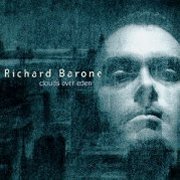
Three years on and Clouds Over Eden appears. The songwriting really is very good, without straying into the sort of schmaltz of which so many of his contemporaries are guilty, which isn't to say that it's all great, but there's enough good material to make this a decent listen. Digital keys seem to be a no-no here (hoorah!), a Hammond turning up on several tracks, along with Barone's Mellotron work. Credited on five tracks, it's only really audible on three, although I hear a couple of string chords on excellent opener Within These Walls, along with a string quartet. More strings on Forbidden (played by co-writer George Usher) and Beautiful Human, with flutes on Standing In The Line, leaving Paper Airplane as the 'OK, so where is it?' track.
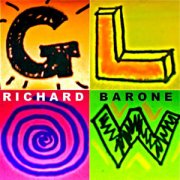
Barone wrote to me around the time of the release of 2010's Glow, telling me he'd used a Mellotron again. The album's really very good indeed, highlights including opener Gravity's Pull, the gentle Silence Is Our Song, 1,2,3...Infinity and the superb, driving Sanctified, his powerpop sound updated from the post-'80s feel of Primal Dream and Clouds Over Eden. Steve Addabbo plays Mellotron, while Barone and the legendary Tony Visconti are both credited with Mellotron and Chamberlin. Real? I'd imagine they used both Magic Shop's Mellotron and samples: Girl features almost certainly sampled MkII Mellotron 'moving strings', while the distant choirs on 1,2,3...Infinity and strings on Odd Girl Out and Yet Another Midnight don't sound that authentic. However, the very real-sounding strings on Sanctified and squashy flutes on closer Glow Symphony stopped me chucking this straight into 'samples'. Anyway, tape-replay or no tape-replay, a very listenable album.
Late addenda to Barone's Mellotronic phase are Shed My Skin and Guru, released on his Bandcamp page in 2020. Barone was emotionally exhausted after recording Clouds Over Eden, these two tracks being (as far as I can work out) the first results of working with Steve Rosenthal, the owner of The Magic Shop studio (see above), although Guru's the only one that even hints at a recording date. The studio's Mellotron is used on both (duh), with choirs on the upbeat Shed My Skin and flutes and strings on the lovely, mid-paced number Guru, both tracks being not dissimilar to his other '90s work.
 |
Opel (1988, recorded 1968-70, 45.53) ****/½ |
||
| Opel Clowns and Jugglers Rats Golden Hair Dolly Rocker Word Song Wined and Dined |
Swan Lee (Silas Lang) Birdie Hop Let's Split Lanky (Part One) Wouldn't You Miss Me (Dark Globe) Milky Way Golden Hair |
||
 |
An Introduction to Syd Barrett (2010, recorded 1967-70, 59.31/79.40) ****½/T½ |
||
| Arnold Layne (remaster) See Emily Play (remaster) Apples and Oranges (remaster) Matilda Mother (alt.version, new mix) Chapter 24 (remaster) Bike (remaster) Terrapin (remaster) Love You (remaster) |
Dark Globe (remaster) Here I Go (remix) Octopus (new mix) She Took a Long Cool Look (new mix) If it's in You (remaster) Baby Lemonade (remaster) Dominoes (new mix) Gigolo Aunt (remaster) |
Effervescing Elephant (remaster) Bob Dylan Blues (remaster) [Some eds. add: Rhamadan] |
|
Current availability:
Mellotrons used:
There are those who maintain that Pink Floyd's best work is to be found on their early singles and The Piper at the Gates of Dawn with Roger Keith "Syd" Barrett; a matter of opinion, clearly, but held by enough people to be impossible to ignore entirely. Of course, he bailed/was kicked out of the band in early '68, a direct result of his not-so slow descent into the fractured state of mind in which he (arguably) existed for the rest of his life. His two solo albums, The Madcap Laughs and Barrett (both released 1970, though recorded across various sessions between mid-'68 and then) are treasure troves of Barrett-esque whimsy, adding many gems to his tiny canon and, even with bootlegs of the album sessions in circulation, there is unceasing fan demand for more.
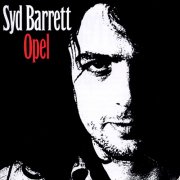
Opel appeared in 1988, originally on vinyl, gathering together many unreleased tracks, along with early versions and alternate takes of previously-released material, silencing the faithful for a while. Sadly, prepared versions of Floyd's Vegetable Man and Scream Thy Last Scream were pulled, presumably at the request of the by-then fragmented band, only seeing limited official release many years later. What we do get are outtakes of the quality of the title track, the beautiful Word Song and Dolly Rocker, along with later-rerecorded material such as Clowns And Jugglers (later Octopus) and an early Wined And Dined. As if that wasn't enough, 1993's CD version added another half-dozen tracks, arguably to the overall detriment of the collection, even more appearing on the same year's Crazy Diamond box set. Rather surprisingly, there's the tiniest snatch of Mellotron to be found here, with a faint, rather tuneless MkII flute part to be heard on Syd's Hiawatha-esque Swan Lee (Silas Lang), that adds precisely nothing to the track. Although the player's unknown (records don't appear to have been kept of many of Syd's solo sessions), it seems likely that Rick Wright hauled his black and gold MkII in, although the out-of-key meandering is quite unlike his normally concise style.
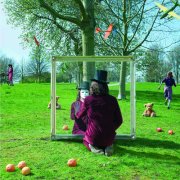
2010 brought the 'exactly what it says on the tin' An Introduction to Syd Barrett, an excellent overview of the few years of his solo recording career, all tracks remixed or remastered. The joker in the pack is the iTunes (and other versions?) bonus track, the twenty-minute Rhamadan, previously only available on bootlegs. It's no surprise it isn't on the regular version; EMI could already hear the complaints from many casual listeners at being presented with an aimless, endless studio jam, although for hardcore fans, it's (at least a piece of) Syd's holy grail. I can only presume that it's the man himself who spends most of the track messing about on a MkII, giving us, variously, some very choppy electric guitar, left-hand manual moving strings and vibes over a jammed-out backing that may well be his old bandmates.
Overall, then, both titles are a 'must' for Syd fans, although I'm sure you've already got not only these, his two official albums and Crazy Diamond, but every bootleg going, too; er, how many takes of Effervescing Elephant do you need? Answer: how many have you got? Anyway, Opel's a thoroughly worthwhile compilation, but don't bother for its utterly minimal Mellotron, while An Introduction...'s only worth it for its bonus track. For the two of you who didn't know, Syd died on 7th July 2006, never reconciling himself with his brief but mercurial musical career. RIP, Syd.
See: Pink Floyd
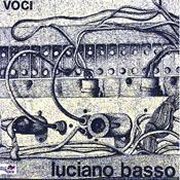 |
Voci (1976, 38.50) ****½/½PreludioPromenade I Promenade II Voci Echo |
Current availability:
Mellotron used:
I don't really know anything about the estimable Mr. Basso, but Voci is an excellent album, overflowing with lyrical (if instrumental) Italian mid-'70s Italian prog of the highest order. Preludio is good, but Promenade I is quite superb, with some lovely harpsichord/Clavinet interplay, all keyboards played by Basso himself. The other three tracks are all excellent, too, Echo sounding a lot like early Pink Floyd, appropriately enough. I don't know the identities of any of the other musicians, but there's a violinist and a cellist involved, adding an almost classical feel to proceedings; appropriate, since Basso's three subsequent albums are apparently pretty much in the neo-classical vein.
It seems likely that Basso played the (presumed) Ariston Studio M300, a.k.a. The Mellotron That Sounds Most Like Real Strings, so I've slightly updated my original assessment of the album's Mellotron content. I wouldn't swear to any of this, but it sounds like a brief chordal string part on Preludio and a flute line on Echo that has to be Mellotronic, but it's not exactly overt. So, although the album barely merits a review on this site, it's an absolutely fabulous record that deserves your attention at the earliest opportunity, being right up there with the best of its genre. Buy unreservedly.
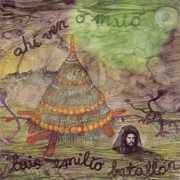 |
Ahí Ven o Maio (1975, 40.06) **½/½ |
|
| Ahí Ven o Maio Camiño Longo Notas Necrolòxicas Chove-Chove I a Nosa Señora Detrás do Tonel Quien Poidera Namorarla Agardaréi A Rosalía |
Viaxeiro Nocturno |
|
Current availability:
Mellotron used:
I'm having trouble locating any information on Luis Emilio Batallán; being little-known outside his home country, pretty much all 'Net info on him is in Spanish, which (unlike in the States) isn't the first, or even the second foreign language taught in British schools. Suffice to say, at least going by 1975's Ahí Ven o Maio, he's a lightweight, slightly folky balladeer, mainstream without being horribly gloopy. The album's perfectly harmless, also totally dull, with no standout features whatsoever.
Granada's Carlos Cárcamo plays Mellotron, with background strings on Quien Poidera Namorarla, although the other orchestral sounds on the album seem to be precisely that. This is available on CD, but the question has to be asked: why would you? It only gets as high a rating as it does due to its complete harmlessness; it didn't particularly irritate, but then, it didn't particularly do anything at all. Practically no obvious Mellotron, either, making for a resounding, all round 'no'.