




|
|
|
|
||
|
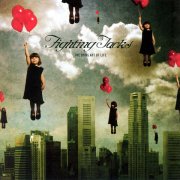 |
The Dying Art of Life (2003, 47.47) ***/½ |
|
| Farewell Senator Commons and Robbers Some Say Glass Table Photobook Unfinished Song Your Lurking Shadow Year of the Dead |
Chercher Whirlpools New Born Thing Of a Dear Friend |
|
Current availability:
Mellotron used:
Before going on hiatus in 2007, San Jose's Fighting Jacks only released one full-lengther, 2003's The Dying Art of Life. It sits at the punk end of indie, like a slightly toothless Nirvana, better tracks including propulsive opener Farewell Senator, Some Say, the slowburn Chercher and Newborn Thing, although nearly fifty minutes is a good ten minutes too long for music this immediate.
Mike Wright and Corey Linstrum are both credited with Mellotron, with heavily-reverbed, rather muted strings and cellos on closer Of A Dear Friend. Real? I've had this in samples for a while, but, upon closer inspection, it seems that long-term Mellotron user (owner?) Sylvia Massy (Shivy) co-produces, so it's likely it's genuine.
 |
 |
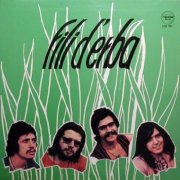
Fili d'Erba (1972, 33.16) ***/T½ |
|
| V.I.P. Sono un Po' Ubriaco Questa Sera I Want You Back Confusion Uomo Vero Sweet Mary Uomo, Tu Non Sei Libero Wait Until Tomorrow |
Il Cieco (Jo's Lament) Santo Joe (Holy Joe) That's My Life |
||
Current availability:
Mellotron used:
Fili d'Erba's lone, eponymous release is one of those early '70s Italian albums that sit on the edge of the prog pool, dangling its feet in the water without actually committing and diving in. This has its moments, notably opener V.I.P. and Sono Un Po' Ubriaco Questa Sera, while Confusion, just as they kick into a jam and things get interesting, fades out. Sack the producer, says I. Sadly, weaker, (even) more mainstream material such as Uomo, Tu Non Sei Libero and their version of Rod Stewart's Jo's Lament (Il Cieco) do the album no favours.
Paolo Moderato plays poorly-recorded Mellotron in a strange little cluster towards the end of the album, with strings on Wait Until Tomorrow, flutes under the real one on Il Cieco and strings and parpy brass on Santo Joe (Holy Joe). Incidentally, for 'copyright reasons' (whatever they may be), NAR's CD reissue loses Sono un Po' Ubriaco Questa Sera, making the disc under half an hour long.
 |
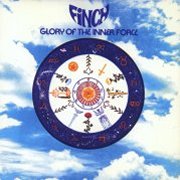 |
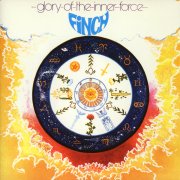
Glory of the Inner Force (1975, 42.49/49.50) ****/TT (TTT)Register MagisterParadoxical Moods Pisces A Bridge to Alice [CD adds: Colossus Part 1 Colossus Part 2] |
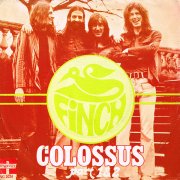 |
7" (1975) ****/TTT Colossus Part 1 Colossus Part 2 |
Current availability:
Mellotrons used:
Finch were a mid-'70s instrumental Dutch outfit who played a rather lush form of symphonic progressive, utilising the sort of chord changes that may be slightly too 'sweet' for some tastes, especially later in their career. The band actually cover a variety of styles on Glory of the Inner Force, from the lushness of Register Magister through to the jazz-rock influenced Paradoxical Moods, always managing to adhere to the twin tenets of prog, complexity and melodic invention. Despite their being guitarist Joop van Nimwegen's band, guitar solos aren't horrifically overdone; in fact, all the band members have a chance to show their 'chops' at one point or another.
Finch never (to my knowledge) used a Mellotron live, or even owned one, but Cleem Determeijer made sparse but interesting use of one on just this one album. Every track has a few string chords thrown in, at one point even drowning out van Nimwegen's guitar, but never lasting more than a few seconds. You rarely hear the Mellotron used with such restraint; actually, it might've been nice to have heard it a little more. I suppose they were worried about reproducing the effect live, given that their sole live string sound was a Solina. Nice, but not quite the same...
So; recommended musically, though the Mellotron use is decidedly low key. Interestingly, the CD includes both sides of a single released after the album, Colossus Parts 1 and 2, apparently being the theme music to an imaginary film. Typical Finch, except in their length, the tracks feature a load more Mellotron than the album tracks, for some odd reason. Finch went on to release Beyond Expression (****) and the possibly slightly too cheesy Galleons of Passion (****), then fell into disarray as with so many of their contemporaries. In 1999, a double CD appeared, The Making of...Galleons of Passion/Stage '76 (****), pairing demos for their third album with, funnily enough, a live recording, including Paradoxical Moods (obviously Mellotron-free), also worth hearing.
See: Q65
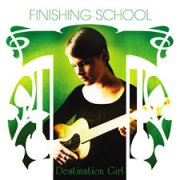 |
Destination Girl (2003, 30.33) ***/T½RenoHair Destination Girl Day is Over New Sensation Silent Space Rowan's Theme Morning Light Page 16 |
Current availability:
Mellotron used:
Finishing School are, effectively, Sasha Bell, also of Essex Green and Ladybug Transistor, apparently. Her/their Destination Girl is a pre-psych '60s-influenced pop album, for want of a better description; think Petula Clark crossed with the more unfashionable end of British pop of the era and you won't be a million miles off. Bell's voice is the kind of contralto that makes men of a certain age (no, not mine, thank you) swoon, many miles/years away from the awful screechy noise that's considered 'vocal talent' these days, although certain online reviewers have still managed to find fault with it. However, as you can see, the album's extremely short, so at least it doesn't outstay its welcome for those particular curmudgeons.
Mellotron from both Bell and Tom Hakava (Ben's Diapers/Scaramangas etc.), with brief but strident strings on Hair from Hakava, Bells' background flutes on Day Is Over and more obvious ones on closer Page 16. This isn't an album for the proghead in your life, but it's an entirely pleasant listen, as long as you don't expect to hear any influences later than 1966. Passable Mellotron work, too.
Finisterre (Italy) see: |
 |
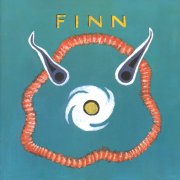 |
Finn [a.k.a. Finn Bros] (1995, 38.29) ****/TT |
|
| Only Talking Sense Eyes of the World Mood Swinging Man Last Day of June Suffer Never Angels Heap Niwhai Where is My Soul |
Bullets in My Hairdo Paradise (Wherever You Are) Kiss the Road of Rarotonga |
|
Current availability:
Chamberlin used:
Finn (a.k.a. Finn Brothers) were Tim and Neil, both ex-Split Enz and Crowded House, although elder bro' Tim only played on one of the latter's albums. Both brothers are excellent writers in that 'intelligent pop' area, so, unsurprisingly, a straight collaboration was always going to be pretty good. There's not a bad track to be heard on Finn, standouts including Angels Heap and Paradise (Wherever You Are), although Kiss The Road Of Rarotonga spoils the mood a little. Mind you, for an album released in the mid-'90s, Finn is incredibly (not to mention refreshingly) short, so losing a track would almost push it into mini-album territory, at least by modern standards.
There's a reasonable amount of Chamberlin on the Crowded House albums and it's used again here, a couple of tracks benefitting from the typical Chamby woodwind sound, particularly Eyes Of The World, while there's some kind of brass (solo trumpet?) on Angels Heap; my usual Chamberlin complaint applies, with me having trouble working out what is and what isn't, not to mention what sound might be used, so I wouldn't swear the above are correct, but I can't be too far off.
See: Crowded House | Split Enz
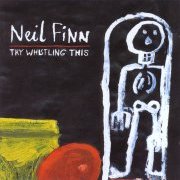 |
Try Whistling This (1998, 54.46) ****/TT |
|
| Last One Standing Souvenir King Tide Try Whistling This She Will Have Her Way Sinner Twisty Bass Loose Tongue |
Truth Astro Dream Date Faster Than Light Addicted |
|
 |
 |
One Nil [a.k.a. One All] (2001/2002, 48.48) ***½/½ |
|
| The Climber Rest of the Day Off Hole in the Ice Wherever You Are Last to Know Don't Ask Why Secret God Turn and Run |
Elastic Heart Anytime Driving Me Mad Into the Sunset |
||
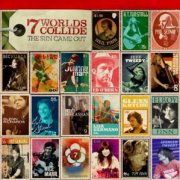 |
7 Worlds Collide: The Sun Came Out (2009) ***/½[Finn variously contributes]Too Blue (with Johnny Marr) Little By Little (with Sharon Finn) Learn to Crawl (with Liam Finn) Bodhisattva Blues (with Ed O'Brien) All Comedians Suffer |
Current availability:
Chamberlins used:
After the Finn duo with elder brother Tim (see above), it took Neil three years to come up with his first solo album proper, Try Whistling This. It has a few contemporary touches, but they're used to enhance the material, not swamp it and, as such, hopefully won't sound too dated in years to come. The songwriting is, again, excellent, with standout tracks being hard to pinpoint, although Souvenir is particularly good. Finn plays most of the instruments himself, although there's quite a few other people involved, chiefly programmer Marius De Vries, who had previously collaborated with Björk.
Chamberlin problems again, although Neil has gone on record as saying "All the strings on the record are Chamberlin", though the strings on Sinner have to be either real or samples, so I'm not 100% convinced. Anyway, Souvenir opens with Chamby cellos and turns out to be a bit of a monster, with (I think) juxtaposed sampled strings and Chamberlin, a solo strings part closing the track. Twisty Bass is also very obviously Chamby, while the other tracks noted above probably contain it somewhere, though I'm not promising. Either way, an excellent record.
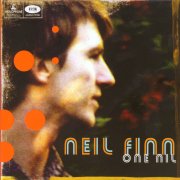
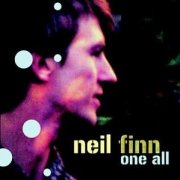
Another three years passed before One Nil, but Finn's muse hadn't left, although I'm not convinced that the album is quite the equal of its predecessor. To be fair, it probably needs a good few plays for its charms to be fully appreciated, so don't be surprised if I rewrite this review in a year's time... Full instrumental credits this time round, Mitchell Froom playing Chamberlin oboes (?) on Secret God and Finn on inaudible Chamby-something on Into The Sunset. For some odd reason, after releasing an album recorded in Auckland with loads of famous friends, Seven Worlds Collide, Finn reissued One Nil in the States in 2002 as One All, with two songs (Don't Ask Why and Elastic Heart) replaced by two others (Lullaby Requiem and Human Kindness), neither with any obvious Chamby input.
See: Crowded House | Split Enz | 7 Worlds Collide
 |
Tim Finn (1989, 40.18) ***/T |
|
| Young Mountain Not Even Close How'm I Gonna Sleep Parihaka Tears Inside Birds Swim Fish Fly Suicide on Downing St. Show a Little Mercy |
Crescendo Been There Done That |
|
Current availability:
Chamberlin used:
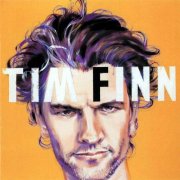
After leaving Split Enz in 1984, Tim 'elder brother of Neil' Finn continued the solo career he'd begun while a band member, 1989's Tim Finn being his third release, if you ignore his work on The Les Patterson Long Player, which might be for the best. It starts well with Young Mountain, but, sad to say, there's too much of the '80s in this record, most of its contents being on the lightweight side, at least musically, despite this being an early Mitchell Froom production.
Finn and Froom both play keys, but I presume it's the latter we're hearing, playing his own Chamberlin, with occasional strings on Not Even Close and Tears Inside and equally occasional flutes on Birds Swim Fish Fly. Tim rejoined his brother in Crowded House not long after this album's release, staying for one album (possibly their best), before resuming the solo career he runs to this day. Would it be contentious to say, "Possibly the more talented Finn brother"?
See: Split Enz | Mitchell Froom
 |
Enter (2014, 51.39) ***/TEnter Part OneEnter Part Two Enter Part Three Enter Part Four |
Current availability:
Mellotron used:
Led by saxophonist Mats Gustafsson, Fire! Orchestra's jazz improv lineage can be traced back to late '60s combos Jazz Composer's Orchestra and Liberation Music Orchestra in their sizeable lineup and dedication to an avant- approach to the genre. Their second album, 2014's Enter, despite its deceptively gentle Rhodes intro, is an uncompromising release, much of its length taken up by borderline-dissonant brass ensemble playing and less-than-commercially-viable vocal work, shall we say. Part Four is probably the most conventionally tuneful, but that really isn't what Fire! Orchestra are about, so I wouldn't recommend this to anyone expecting lite jazz.
Sten Sandell plays a little (clearly real) Mellotron on the album, with discordant strings, complete with pitchbends, on Parts One and Four, only just audible on the latter. Accomplished avant- jazz, then, with a little Mellotron. Not for Kenny G fans.
 |
7" (1970) ***/TT½ Honey Don't Maximum Serenade |
 |
7" (1970) ***/T½ Souvenir Bad Girl |
 |
7" (1970) ***/TT Everyday I Have to Cry Some [by The Carols] Sleeping Reggie |
Current availability:
Mellotron used:
Fire Session were most likely a studio pickup band working for the Revolution label in London in the late '60s, very possibly backing other reggae artists as well as putting out a handful of 7"s themselves. All four of their 45s have been collected onto Circle's Unusual Reggae compilation from 2019, three of which contain at least one Mellotron track. They all fall into the 'mid-paced reggae of the era' mini-genre; don't go expecting either firebrand Rasta stuff or lovers rock and you probably won't be disappointed. Note, incidentally, that Sleeping Reggie (this was before the spelling of 'reggae' had been fully codified) is the flip of a track by The Carols, not an unusual occurrence in the field.
An unknown studio musician plays Mellotron on four of these tracks, probably Manfred Mann's MkII, by then apparently resident in Chalk Farm Studios in North London. Both sides of the Honey Don't/Maximum Serenade pairing feature the expected 'string section replacement' strings, Souvenir has Mellotron vibes throughout and the instrumental Sleeping Reggie's string part sounds like the machine was malfunctioning, its pitch wavering considerably.
See: Unusual Reggae
 |
Night on Bald Mountain (1975, 42.47) ****/TLes CathèdralesCenturion (Tales of Fireball Kids) The Fireballet Atmospheres Night on Bald Mountain (Suite) Night on Bald Mountain Night-Tale The Engulfed Cathedrale Night-Tale (Reprise) Night on Bald Mountain (Finale) |
Current availability:
Mellotron used:
 |
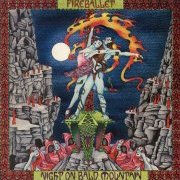
Fireballet are one of the few US progressive acts of the '70s to get any sort of deal at all; they were signed to the rather wonderful Passport label, who eventually went down the 'chute. Pity. Anyway, Fireballet were completely overblown and all the better for it; two keyboard players, a drummer with every piece of orchestral percussion known to man, thoroughly ridiculous lyrics and a penchant for 'borrowing' bits of other people's music. Sometimes they even credited them. Album opener Les Cathèdrales openly rips off George Martin's Theme One, as performed by Van der Graaf Generator, but puts its own twist onto the tune.
The only Mellotron on Night on Bald Mountain is on the first track on side two, Atmospheres, with some fairly ordinary strings, played by Frank Petto. The following Night On Bald Mountain (Suite) is vastly better, if Mellotron-free; a rearrangement of Mussorgsky's Night on Bare Mountain, it works brilliantly and is probably worth the price of admission on its own.
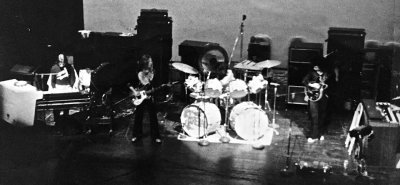
Despite being produced by ex-Crimso Ian Macdonald (who also guests), the album is somewhat derivative, but I've heard an awful lot worse; it definitely comes under the banner of 'a good listen', although not exactly one for the Mellotron fan. Incidentally, the live pic to the right sees the band borrowing Larry "Synergy" Fast's M400. Fireballet released a second album, Two, Too (***½), but many progressive fans dislike its rather lightweight approach to the genre. To my ears, the band had moved into Styx/Ambrosia territory and the album's still very listenable, despite the appalling sleeve design of a bunch of hairy men wearing tutus (ha ha). Sadly, the last anyone heard of the band was several members' involvement with the extremely ropey Intergalactic Touring Band project.
See: Intergalactic Touring Band
 |
Rushes (1998, 61.21) ***½/TTWatercolour GuitarsPalo Verde Auraveda Fluid Appletree Cinnabar Amber Bison 7 a.m. Watercolour Rush |
 |
Electric Arguments (2008, 63.54) **½/T½ |
|
| Nothing Too Much Just Out of Sight Two Magpies Sing the Changes Travelling Light Highway Light From Your Lighthouse Sun is Shining |
Dance 'Til We're High Lifelong Passion Is This Love? Lovers in a Dream Universal Here, Everlasting Now Don't Stop Running |
|
Current availability:
Mellotrons used:
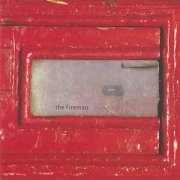
The Fireman is an ambient/electronica project consisting anonymously of Paul McCartney and Killing Joke's Youth. 1994's Strawberries Oceans Ships Forest and Rushes, from four years later, are similar in concept and, while not actually dance music, may not appeal to those who dislike cut-up techniques, disembodied dialogue etc. I actually find both albums perfectly pleasant, though they're definitely more background listening than something you'd actually concentrate on to any great extent. It's difficult to pinpoint 'standout' tracks on Rushes, as most of it's a large wash of sound, but Bison, with its almost-dub intro, stands out as doing something a little different to the rest of the album.
Paul's Mellotron use isn't the most obvious you'll ever hear, but if you listen closely you can detect vibes and MkII rhythms on the lengthy Palo Verde, with reverbed strings on the even lengthier Auraveda. The nearest his use gets to 'upfront' is on the Bison/7 a.m./Watercolour Rush segue, with both regular strings and left-hand manual moving strings (one of the instrument's many pre-recorded phrases, if you haven't heard them before). Less Mellotronless than I'd previously thought, but not the greatest test of the instrument's potential you'll ever hear.
After a ten-year gap, the pair opted to record a third Fireman album, Electric Arguments, in 2008, dropping their anonymity along with their previous style. This is more a mainstream pop/rock album, frankly; I can only imagine Youth's involved 'because it's Paul', or is that overly cynical? Anyway, it's an album of stunning averageness, I'm sorry to report, sounding far, far more like a Paul album than a Youth one and nothing like one by The Fireman. It moves slowly towards something resembling originality towards the end of the overlong disc, but it's a bad case of too little, too late. More of that MkII, of course, with a flute melody on Travelling Light, less of the same on Dance 'Til We're High, alongside real strings and a final, subdued burst of flutes on closer Don't Stop Running.
See: Paul McCartney
 |
Psychopharmacology (2001, 39.43) ***/T |
|
| Woke Up Down Psychopharmacology Fell Off the Face of the Earth Get Out of My Head 7th Avenue Static Car Crash Collaborator Bad, Bad World The Man With the Blurry Face |
Black Box Recording She's the Mistake |
|
 |
The Man on the Burning Tightrope (2003, 46.50) ***½/TT½ |
|
| Fanfare Anything at All Too Much (is Never Enough) Too Many Angels Dark Days Indeed The Man on the Burning Tightrope The Truth Hurts Secret |
The Vegas Strip Ponzi's Revenge Don't Make It Stop The Notorious & Legendary Dog & Pony Show The Song That Saved My Life Dark Days Revisited Before the Fall Descent |
|
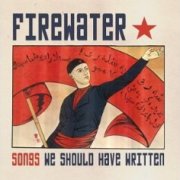 |
Songs We Should Have Written (2004, 45.14) ***½/T |
|
| The Beat Goes on This Town Diamonds and Gold Folsom Prison Blues Storm Warning Hey Bulldog Some Velvet Morning This Little Light of Mine |
Paint it Black Is That All There is? I Often Dream of Trains |
|
Current availability:
Mellotrons used:
Firewater are the current project of ex-Cop Shoot Cop bassist/vocalist Tod A(shley), operating in the indie area, albeit in a rather more acceptable part of it than an awful lot of crud I can think of. He throws all sorts of stuff into the pot, not least rockabilly, jazz, ska and a myriad of other musical forms, although, going by the three albums reviewed here, he/they shift style on a regular (and random) basis.
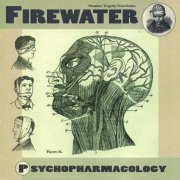
2001's Psychopharmacology is their third album, sounding fairly normal compared to much of their other work. You've sort of got to be into what they're doing to really get it, I suspect, but it has its moments for the non-fan. I particularly like Black Box Recording, with its cabaret-esque piano part that manages to sound almost prog, which probably says more about the roots of that genre than most of its fans would like to admit. As far as the Mellotron goes, from 'A', there's a near-orchestrated string part on Get Out Of My Head and, despite other vaguely Mellotron-like moments (what makes those voices in Fell Off The Face Of The Earth? Voices?), that seems to be it.
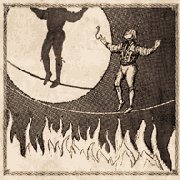
The Man on the Burning Tightrope followed two years later, opening in a distinctly cabaret-esque manner on the brief Fanfare. The title track and The Notorious & Legendary Dog & Pony Show could have been written by Tom Waits, while a '30s feel pervades much of the record, sounding like the bastard offspring of German oompah music and twisted, slowed-down jazz, which probably isn't a bad description of that sleazy cabaret style itself, I suppose. Full instrumental credits this time round, which helps matters considerably. Plenty of Mellotron, all from 'A', with string and wobbly choir parts on Anything At All and slightly tortured-sounding strings and block flute chords on the klezmer-esque Too Many Angels, although the strings on Secret are real. Woozy Mellotron strings on The Song That Saved My Life, but while it's credited on Before The Fall, there's nothing audible. This is a vastly more entertaining album than its predecessor, sounding like a completely different band. Maybe it is a completely different band...
The title of Songs We Should Have Written gives its contents away; it's the dreaded covers album, only this time it's far from dreaded, with excellent takes on familiar material, not least Johnny Cash's Folsom Prison Blues and a deathlike crawl through The Stones' Paint It, Black. Two Mellotron players this time round, though you're hard-pushed to hear the thing at all on most credited tracks. Tod A does the bulk of the work again, with, well, nothing that audible on This Town, maybe some flute chords, with a similar problem on Diamonds And Gold. Viola? Sounds dry and dusty enough... (Is a pattern starting to form here?) Faint background strings from Tamir Muskat on their killer version of The Beatles' Hey Bulldog, but nothing I can hear on Lee Hazlewood's Some Velvet Morning, Paint It, Black or Is That All There Is? So, er, IS that all there is? Thankfully not quite, as closer I Often Dream Of Trains finally features the Mellotron, with a flute melody running throughout.
 |
Don't Back Down! (2008, 39.05) **/½ |
|
| Lovesong God Damn Your Fingers The Jacket People in the Shadows No Money and a Fee Road is Long To Do List |
Silly Dream and the Flying Kite Holding the Ladder It's an Interview Apparently |
|
Current availability:
Mellotron used:
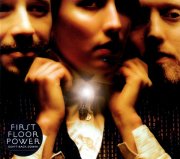
2008's Don't Back Down! is Swedish indie types First Floor Power's third (and last?) album, a plinky, apparently afrobeat-inspired effort, at its least dull on harmonium-driven opener Lovesong and Silly Dream And The Flying Kite, which isn't to actually recommend either.
Tom (or Tuomas) Hakava plays his Mellotron on Road Is Long, with an occasional oboe line, surprisingly, not that it improves this tedious album. Sorry, this is nonsense.
 |
Across the Road (2023, 19.33) ***½/TT½ |
|
| Across the Road Abby Rowed It's Good to Be Back Usually Dorian Pretty Raw Magic Sunlight, Sunlight |
Make it Through the Night Live Out Loud |
|
Current availability:
Mellotron used:
In some ways, First of October could be considered more an art project than a band. Rob Scallon and Andrew Huang had already worked together when they formed the duo in Chicago in 2018, with the expressed intention of writing and recording an album in a single day, once a year, beginning on... the first of October. Duh. They've kept up that rather relaxed schedule ever since, only skipping 2020, for obvious pandemic-related reasons. 2023's Across the Road is their sixth such, its cover (as you can see) being something like the 242,819th spoof of Abbey Road. Has it now been parodied so many times that the parodies have become self-referential?
Unsurprisingly, the EP (I can hardly call this an 'album') is heavily Beatles-influenced, almost to the point of parody, songs such as the opening title track, Abby Rowed (ha ha), Usually and Pretty Raw channelling the masters, albeit a good deal more Paul than John and a good deal more White Album and after than earlier. Ten tracks in under twenty minutes means, of course, that the majority of them are no more than vignettes, but then, what do you expect? Could you write and record an EP's-worth of material in a day, even with the resources of a major studio behind you? Didn't think so. Nor me. Mellotron? The duo use the studio M300, ex-Woolly Wolstenholme, ex-Tom Doncourt, whose widow donated it to the studio after his death, with flutes all over the title track, a brass variant (English horn?) on Usually, string section at the end of Dorian and that brass variant again on Sunlight, Sunlight, with speedy little runs that stretch the machine's limitations to their utmost.
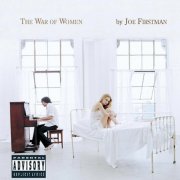 |
The War of Women (2003, 65.08) **½/TT |
|
| Introduction to "The War of Women" Breaking All the Ground Can't Stop Loving You Now You're Gorgeous, Now You're Gone Car Door Saving All the Love Slave or Siren Chasing You Down |
The Adventures of the Empress of Harlem and the Amazing Subway Boy Lies Beautiful Secondhand Grave Speak Your Mind Savannah After Los Angeles Buy Me a Bourbon |
|
Current availability:
Chamberlin used:
I've seen Joe Firstman described as a 'multi-genre singer, songwriter and late-night bandleader', the last part referring to his work on TV show Last Call with Carson Daly. It's not so surprising, therefore, that his debut, the somewhat overlong The War of Women, comes across as a rather mainstream effort, albeit one with an Americana edge, at its best on the rocky Slave Or Siren and Secondhand Grave, with its clever minor-to-major shift in the chorus.
Firstman and Patrick Warren play (presumably) Warren's Chamby M1, with occasional string interjections on Now You're Gorgeous, Now You're Gone, a more upfront string part on Saving All The Love and more of the same on Lies and closer Buy Me A Bourbon. Nice to hear it properly, for once, as against the usual 'bury it in the mix' approach.
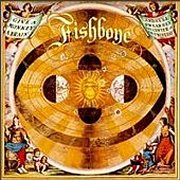 |
Give a Monkey a Brain... & He'll Swear He's the Center of the Universe (1993, 64.45) ***½/T |
|
| Swim Servitude Black Flowers Unyielding Conditioning Properties of Propaganda (Fuk This Shit on Up) The Warmth of Your Breath Lemon Meringue They All Have Abandoned Their Hopes |
End the Reign Drunk Skitzo No Fear Nutt Megalomaniac |
|
Current availability:
Mellotron used:
Fishbone had been doing their funk/rock/whatever thing for some years by the time they released their fifth album, Give a Monkey a Brain... & He'll Swear He's the Center of the Universe, which followed the excellent The Reality of My Surroundings (****). Give a Monkey... was a worthy successor, laying its cards on the table at the outset with the genre-defying Swim. Is it funk? Rock? Rap? All the above and more? This ethos is maintained over the entire album, no one track sounding that much like any other, but somehow it all hangs together and sounds like the same band.
It's difficult to pinpoint 'best tracks', as that's heavily subjective on an album as diverse as this, the frequently brass-driven material tending to work better live than on record, while I'm not wholly convinced by their various takes on reggae. My personal favourite, though, has to be the tense, moody Black Flowers, which opens with a Mellotron flute melody (from Chris Dowd?), with a Mellotronic cello part later in the song, although that honestly isn't my reason for liking it. No, really. Incidentally, Fishbone received a heavy blow after the album's release as founding member, guitarist Kendall Jones, left to join some nutjob cult at his father's instigation. They're still going now but, sadly, they lost much of their momentum after this album.
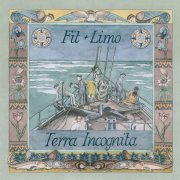 |
Terra Incognita (2004, 55.18) ***½/TTT |
|
| Seraph Will You Lasst Uns auf die Reise Gehn Golden Floor Wende Dich Her The Weaving Song Unknown World Morning Wake |
Mary of Malibran In den Gärten Salomos Cantiamo Weisse Asche |
|
 |
Indian Worm Moon (2006, 19.42) ***/T½PowwowopsyIs it True? Take Me to That Place |
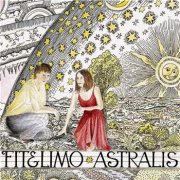 |
Astralis (2007, 52.02) ****/TTT |
|
| Dem Neuen Jahr The Lovers Sweet Imagination Wind Whispers Drift Away The Moon Shines Bright Sing the Forest Temple Around the Fount The Snow it Melts the Soonest |
Been on the Road So Long With the River Down in Yon Forest Chinese Firebird Lucky Boat A Swamp Room Lullabye Nebula Perlenglanz Astralis |
|
Current availability:
Mellotrons/Chamberlin used:
German cosmic folk/psych male-female duo Fit & Limo (or Fit + Limo, a.k.a. Petra and Stefan Lienemann. Think: a Teutonic Incredible String Band) have been making music since the late '70s, putting out several cassette-only releases in the early '80s, the best moments of which were compiled onto their first LP, 1988's Retrospective 1983-1988. A dozen or more intermediate releases later under various aliases they were still doing so in the late 2000s. 2004's Terra Incognita (Latin for 'unknown land', or unmapped territory) was, assuming they've called it a day, their second to last album, a drifting, rhythmless record full of zithers, hurdy-gurdy, autoharps, hand percussion and violas sitting cheek-by-jowl with analogue synths and Mellotron. Highlights? Opener Seraph, Wende Dich Her, Morning Wake and the lengthy In Den Gärten Salomos. Speaking of Mellotrons, Stefan plays a very obviously real machine, frequently high in the mix. Seraph kicks off with a dirty, upfront flute melody, background strings on Will You, flutes and strings on Golden Floor, upfront strings on Wende Dich Her and In Den Gärten Salomos, chordal flutes on Cantiamo and supporting strings on closer Weisse Asche, although the harmonising flutes on Unknown World and elsewhere sound sampled.
2005's Indian Worm Moon is a bit of an oddity, being the last (no. 13) in the Hand/Eye label's Folklore of the Moon series of highly-limited EPs; one hundred, in this case. As such, it might not be a typical release, although I get the impression that ten-minute drone-fest Take Me To That Place isn't exactly unique in their catalogue. Fit plays Mellotron flutes (briefly) on Powwowopsy and strings right through the short Is It True?, although it's hard to tell whether or not they're real. Come 2007 and they offer up the quintessential Astralis, a beautiful album of muttered invocations, slightly out-of-tune harmonies (but in a good way), sitars, deeply cosmic lyrics and, er, some tape-replay. Best tracks? I enjoyed the banjo-fest of Wind Whispers, drone anthem Drift Away and the medieval-esque The Moon Shines Bright and The Snow It Melts The Soonest, but truth be told, there isn't a bad track here. But what, precisely, are they singing about on A Swamp Room Lullabye?
| "Europe's biggest '60s garage, psychedelic, Acid, punk, mod, stoner, underground, But not folk festival... See the creatures from the swamp, Live and non-stop, from dusk till dawn..." |
A protest song about a shit festival? Anyway, they both play just about everything, including Mellotron and Chamberlin (where did they source one in Germany?), with (presumably) Mellotron strings on opener Dem Neuen Jahr, Sweet Imagination, Drift Away and Sing The Forest Temple, with Chamberlin ones (?) on Down In Yon Forest and possibly both on Perlenglanz and a touch of flutes thrown in for good measure. This is a gorgeous album, highly recommended to anyone who likes things to get a little... hazy every once in a while. Plenty of (real?) tape-replay, too; what's not to like?
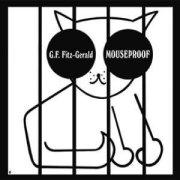 |
Mouseproof (1970, 33.26) ***/T |
|
| April Affair New Lodger Country Mouse It Takes More Than a Clear Day to See it May Four Ashes of an Empire/The End Under and Over the Waterfall A Movement Lost in Twilight Stone |
Political Machine Opal Pyramid Drifting Over Time |
|
Current availability:
Mellotron used:
G(erry) F. Fitz-Gerald is an improvisational musician whose vision was captured on long-playing vinyl on 1970's strangely-titled Mouseproof. Apparently highly regarded in the world of obscure psych and prog collectors, the album starts off sounding like it's going to be one of those folky acoustic singalong records that were popular at the time, albeit with a psychedelic edge. However, it quickly takes a sharp left turn, venturing into country (er, Country Mouse), raga-rock (Ashes Of An Empire/The End), jazz-rock (Under And Over The Waterfall, the quite deranged Political Machine), minimalism (A Movement Lost In Twilight Stone) and full-on psych madness (closer Opal Pyramid Drifting Over Time), somewhat justifying its reputation.
Ian Andrews plays what sounds like one of the MkII's less intrusive brass settings, running slightly flat on Ashes Of An Empire/The End, to reasonable effect, although it's hardly the album's defining feature. Anyway, those nice people at Sunbeam have issued this on CD, so you can easily hear it for yourselves, minimal Mellotron and all.
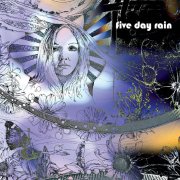 |
Five Day Rain [a.k.a. Rough Marmalade] (2004, reissued 2007, recorded 1970, 60.41) ***½/T |
|
| Marie's a Woman Don't Be Misled Good Year Fallout Leave it at That The Reason Why Sea Song Rough Cut Marmalade |
Lay Me Down Too Much of Nothing Antonia So Don't Worry The Boy Wanna Make Love to You |
|
Current availability:
Mellotron used:
Five Day Rain were one of those studio-based bands that every era seems to cough up; session guys who would rather work in the backroom than get out and gig; in many ways, who can blame them? Think of all the hassle they avoid... In this case, they consisted of engineers Brian Carroll and Damon Lyon-Shaw with keys man Graham Maitland plus a guitarist, bassist and drummer, Carroll and Lyon-Shaw acting as engineers and general factotums (factota?), as far as I can work out. A dozen or more tracks were recorded for a projected album, but only twenty-five test pressings were ever made, most of which now no longer exist, making it impossibly rare. A handful of these tracks were originally released in 1978 on an album called Time is Right, by One Way Ticket: essentially a compilation of various Carroll/Lyon-Shaw productions, I believe most of them are now available on properly themed releases. Nine of the above tracks were originally issued on Hi-Note as Rough Marmalade in 2004, but are now available in the 2007 fourteen-track configuration above, on the Nightwings label. Just to confuse the issue further, ten of these tracks can also be found on Factory/Five Day Rain, on the Japanese Evangel imprint, alongside eight tracks by Factory, another Carroll/Lyon-Shaw project.
So, er, wossit sound like, then? Quite a mixed bag, to be honest; psychedelic hangovers (Good Year, Sea Song), proto-prog (Leave It At That) and turn-of-the-'70s blues-rock stompers (Wanna Make Love To You), not to mention a really rather good post-pub jam, the lengthy Rough Cut Marmalade, far better than that might sound. The last four tracks on the disc have been sourced from a scratchy old acetate, sounding far better than they have any right to, so kudos to everyone involved in this release. Maitland's main Mellotron use on the album is on Good Year, with what I presume are MkII strings (doubled with flutes?), heavily reverbed, making for a quite unearthly sound, even by the machine's usual standards. Now I wouldn't swear to it, but I think the accordions on Too Much Of Nothing are probably the ol' MkII again, though I'm willing to be proven wrong.