





|
|
|
|
||
|
 |
Mellotron Variations (2019, 41.53) ****/TTT½Waltzing Riverbed WayAgent Cha Cha Roller Rink Went Home to Meet Konrad Into the Sunrise Pulsar Dulcimer Bill 143 I Love You Turtle Monk |
 |
Current availability:
Mellotron used:
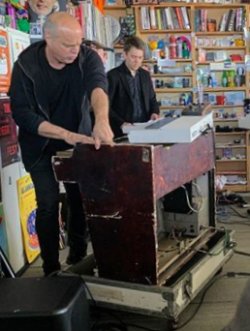
So, after Duets for Mellotron, what did new-Mellotron-kids-on-the-block Robby Grant and Jonathan Kirkscey do next? They teamed up with John Medeski and Wilco's Pat Sansone to play a handful of Mellotron Variations concerts, including one at Washington DC's Tiny Desk. Discogs credits this to the four contributing musicians, other sources to its title, so I'm going with Mellotron Variations as the artist. Perhaps unsurprisingly, given that the Mellotron's rhythm tracks were recorded in the early '60s, the compositions tend to have a lounge bar-cum-'50s/'60s soundtrack feel about them, personal favourites including Pulsar, Dulcimer Bill and closer Turtle Monk. It's difficult to tell how much of the playing's improvised; the pieces are clearly composed, but most of the top lines sound like they were played on the fly.
All four participants played digital M4000Ds, Medeski sticking his on top of his strangely painted M400, with the lid off, compromising working out what's real and what's Memorex digital. A subsequent (?) performance was also filmed, with some nice footage of Medeski attacking the instrument's flywheel, as is his wont, making sonic identification rather easier. Opener Waltzing Riverbed Way is based on a MkII waltz rhythm, overlaid with guitars, muted brass and organ, Medeski adding a crazed, high-speed string solo, grinding to a flywheel-assisted halt at the end, with more tortured strings and mad flutes on Agent Cha Cha. Roller Rink sees him switching between cellos and flutes on the fly, with chordal strings on Into The Sunrise, a flute line on Pulsar, spacey strings on Dulcimer Bill, strings and cellos on 143 I Love You and what sounds like radically pitchbent church organ on Turtle Monk. Did he change tapeframes during their set?
This isn't going to be for everyone, but anyone with a passing interest in Mellotrons (so, presumably, all of you) should get something from it. It's immaculately conceived, excellently arranged and superbly played; watch the film here and gaze in awe at Medeski's flywheel technique. Whenever I try the same trick, all I get is friction burns. Mellotron obsessives (me? How dare you!) may even be interested in the other musicians' digital machine playing, not least Grant's live drums from a percussion set and Sansone's 'Bungalow Bill' Spanish guitar. Worth watching and hearing, albeit not for diehard proggers.
See: Robby Grant & Jonathan Kirkscey
 |
Swaddling Songs (1972, 43.13) ****½/T |
|
| Heaven Heath Sheep Season Silver Song The Poet and the Witch Messenger Birds Dan the Wing Reverend Sisters Break Your Token |
Buy or Beware Vile Excesses Lonely Man Boulders on My Grave |
|
Current availability:
Mellotron used:
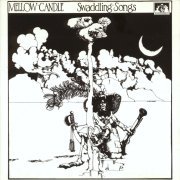
Mellow Candle's sole album is, in its original vinyl form, one of the rarest LPs reviewed on this site; released to apparently zero acclaim in 1972 on Decca's Deram imprint, it unbelievably sank without trace, only to become a collector's item in the '90s. Despite hailing from Ireland, the band had a classic female-fronted English folk rock sound, comparable to the harder end of Fairport Convention, or, more aptly, Trees, only slightly better-known than themselves. The material on Swaddling Songs is absolutely fantastic; more electric than acoustic, it compares well with the best the genre has to offer, making its relative obscurity all the more puzzling. I doubt if the album's bizarre sleeve, not to mention sleevenotes to match endeared it to the general public; the extraordinarily fey descriptions of the band members would have read badly in 1967, never mind by the early '70s. However, the music is utterly superb; Silver Song is a truly beautiful ballad, both Heaven Heath and The Poet And The Witch display the band's rockier side to good effect, while Buy Or Beware is particularly recommended.
Vocalist Clodagh Simonds played Mellotron on the title track of labelmates Thin Lizzy's Shades of a Blue Orphanage and, despite only being credited with vocals and piano here, there's a lovely Mellotron flute part on Sheep Season, although I wouldn't buy the album for that alone. However, you shouldn't need to; any folk rock or early '70s progressive fan should own a copy of Swaddling Songs. Absolutely superb. Incidentally, I originally thought the cellos on Silver Song were Mellotronic, but, despite a lack of any suitable credit, I now suspect they're real.
 |
The Music We Make (1999, 48.53) **/T½ |
|
| See the Sounds Kissing Spree A Day After Christmas All the Jens in the World Radio Star Lift Becoming Brighter Wishing and Waiting |
This is Our Year Bonus Track |
|
Current availability:
Mellotron/Chamberlin used:
I've seen Melochrome described as 'shoegazer'; is this what 'shoegazer' sounds like? Remind me not to listen to any more (sorry, My Bloody Valentine - I'm sure you're better than this). I've also seen the term 'dream-pop' used, but if that's an efficient way of describing this wishy-washy mélange of poorly harmonised male and female vocals, limp instrumental work and repetitive material, then please, please allow me a deep, dreamless sleep. Honestly, post-punk never sounded so dreary.
Vocalist/guitarist/keyboardist Pramod Tummala is credited with Mellotron and Chamberlin, with brass (?) and background Chamby strings (maybe) towards the end of All The Jens In The World and on Becoming Brighter and a nicely upfront (Mellotron?) flute line in Lift, none of which make this dreadful album worth the effort. Please don't buy this. It'll upset me.
 |
Appreciation (2000, 45.04) ***/½ |
|
| Over My Head It's Coming Around She's the Man Petered Out Milk it Willetta Judgement Call Homespun Disaster |
Nothing New Even Your Fault Chew Your Life |
|
 |
Out of Your Hands (2003, 49.20) **½/T½ |
|
| Exit Wounds Separation Anxiety She's Only Human Heaven's Coming to California The Le Tingo Prime o'Life Housewife Nothing New It's Coming Around |
In Spite of You Petered Out Slow Dive She's the Man Rope Chew Your Life |
|
Current availability:
Chamberlins (& Mellotron?) used:
Evan Frankfort worked with The Jayhawks, The Wallflowers and Maypole before forming Melodine, using his experience to create a form of powerpop that owes little to the '60s and '70s on 2000's Appreciation. Highlights include woozy opener Over My Head, Petered Out and Even, although its lone Chamberlin track, Nothing New, with a brief string part from Rami Jaffee, is one of the album's less exciting moments. Apparently, many of the album's tracks were initially released in demo form on the previous year's obscure Erbudie Scurbudie, credited to Frankfort, also with Jaffee on board.
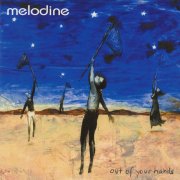
2003's Out of Your Hands reworks five tracks from their debut, the overall effect being similar, but closer to the indie mainstream and, therefore, less interesting, typified by the likes of Slow Dive and The Le Tingo. Better (new) tracks? Opener Exit Wounds and She's Only Human, maybe. Jaffee on Chamby and possibly Mellotron, with supposed 'backwards Mellotron' on Exit Wounds, sounding like ordinary Mellotron strings to my ears, Chamby strings on Prime O'Life Housewife, the same Chamby strings on Nothing New as on Appreciation and a (Mellotron?) string line on In Spite Of You. Other string/vibes parts are possibilities, too, but difficult to verify.
 |
Captain Thunder (1978, 42.11) ***/TTTT |
|
| Cosmic Lady Rhonda Window Games Gone to Another Wake Up My Son Captain Thunder Tell Me You Love Me Happy Song |
Blind Man The Latest Thunder |
|
 |
7" (1980) *½/TT½ You're the Music (in My Life) Piano Bar |
Current availability:
Mellotrons/Birotron (?) used:
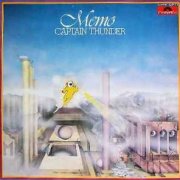
I can't tell you much about (Kurt) Memo (a.k.a. Memo Kurt), although I believe 1978's Captain Thunder, whose title and sleeve make it look like it might be slightly more interesting than it actually is, was his debut. What we get is a truly solo album of English-language German soft rock with a progressive edge, not unlike contemporaneous BJH, diversions including Window Games, Happy Song and closer The Latest Thunder, all cheesy pieces of Clavinet-and-Moog funk. Although much of this album is ridiculous, despite Memo's thin, wispy vocals, I can't help smiling at some of it, its musical conceits way ahead of Memo's actual writing ability. Memo plays 'Mellotrome' (there's a new one) himself, with strings on all highlighted tracks above, plus flutes on the title track and Tell Me You Love Me, background choirs on opener Cosmic Lady and flutes and well-arranged choirs on Gone To Another and The Latest Thunder.
To be perfectly honest, I haven't heard Memo's 1980 single, You're The Music (In My Life), but its flip, Piano Bar, is a fantastically cheesy effort, not entirely unlike 10cc's I'm Not In Love, but not even remotely as good. The effect is exacerbated by the track's tape-replay work, with a Mellotron flute line and what are rumoured to be Birotron choirs, sounding a lot like 10cc's multitrack flummery from a few years earlier. Is it any good? No, it's awful, but interesting to hear the rare-as-rocking-horse-shit Birotron, assuming we actually are.
Captain Thunder is easily available on download blogs, although I can't imagine whom, exactly, might reissue this in the near future (or at all), as it falls between too many stools. The Garden of Delights will surely turn their collective noses up at its cheesy, soft-progness and Musea certainly won't be interested. So; a German Barclay James clone with loads of Mellotron. Yes, I have actually heard much, much worse. Unbelievably, in its own twisted way, worth hearing.
 |
Mentanpin (1975, 42.25) ***/T |
|
| Konsāto Tsuā Kikori no Uta Haru Ronrī Naito Suīto Enjeru Jin o Ippai Atarashī Umi Mr. Oya Nakase |
Buraindo Burūsu Dealer's Blues |
|
Current availability:
Mellotron used:
Mentanpin's self-titled debut is an album of mid-'70s country rock, Japanese style, harmless, yet unexciting. Any better tracks? The rockier Atarashī Umi, possibly, with its noticeable Allmans vibe, while Kikori No Uta, wonderfully, translates as Lumberjack Song. It isn't, before you ask.
An unknown player, possibly their regular keys man Mikio Shirai, adds upfront Mellotron strings to slushy country ballad Haru, to passable effect. It's hard to tell, given language difficulties, but it looks like Mentanpin carried on for another few years, then possibly made a lone reformation album in the '90s. Mellotronic involvement unlikely, however.
 |
Window Rolled Down (2006, 62.05) **½/½ |
|
| Li'l Miss Riding Hood On Sidewalks & Backyards Landlord Song (Don't Look So) Distressed Sick of it Always to Keep You Can't Save Me Pieces and Things |
Who's Driving on All of the Times Right Outside Low Light Guy Wounds Will Heal So Completely Eviction (There's a Place) |
|
Current availability:
Mellotron used:
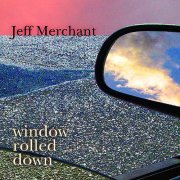
I've seen Jeff Merchant's Window Rolled Down described as influenced by Brian Wilson, to which I can only say, "In your dreams, buster!" I'm not saying that there's anything wrong with his songwriting, exactly, but most of the tracks on this overlong effort waft along with no great sense of purpose in an insipid kind of way, typified by the likes of opener Li'l Miss Riding Hood or the irritating (Don't Look So) Distressed. Any highlights? Maybe closer Eviction (There's A Place).
Danny McGough plays a pleasant Mellotron flute part on Pieces And Things, always nice to hear, even if a little inessential. Real? All I can say is, "I think so"; the flutes are clicky enough to be genuine, although Michael Rozon's generic sampled strings are a distant wash.
See: Samples etc.
 |
Motherland (2001, 57.38) **/T½ |
|
| This House is on Fire Motherland Saint Judas Put the Law on You Build a Levee Golden Boy Henry Darger The Worst Thing |
Tell Yourself Just Can't Last Not in This Life I'm Not Gonna Beg |
|
Current availability:
Mellotron/Chamberlin used:
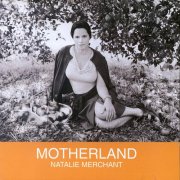
Since Natalie Merchant left 10,000 Maniacs in 1993, she's released four solo albums, 2001's Motherland being the third. I can't comment on the others, but Motherland is a rather faceless effort, to be honest; a typical professional couple's dinner party album, if you like (which I don't). It's harmless enough, I suppose, but isn't going to appeal to anyone who likes a bit of grit in their music, while the material isn't good enough to grab lovers of great songs, although I believe the album did well enough upon its release. If you're after a best track, opener This House Is On Fire's Middle Eastern strings life it above the rest of the album. Always open with your best track, they say... Incidentally, don't blame the sleeve on Merchant; she wanted something slightly controversial involving children and gasmasks, then September 11th happened, giving her record company carte blanche to change it to something boring, none of which excuses that awful orange.
Elizabeth Steen plays Mellotron, amongst other keyboards, while Patrick Warren does his usual Chamberlin thing. It's hard to say for sure, but I suspect it's Warren's Chamby string surges on Build A Levee and Not In This Life, with Steen's Mellotron flutes on Golden Boy and while it's all welcome, none of it really lifts the material in any meaningful way. So; bland, slightly rootsy singer-songwriter fare. Whoopee. This album's only real strong points are its opening track and tape-replay use, neither of which makes it worth a purchase to my regular readers (I believe I have some). Tedious.
 |
Darkling (1998, 49.20) **½/TT |
|
| The Virgin of the Road Peace Comes Dropping Slow Lighthouse on Driftwood Robert Kennedy Pray for Lockjaw The Garden of Memories For Xe Xi Xa Xo Jessica |
Darkling Pink Dogwood |
|
Current availability:
Chamberlin used:
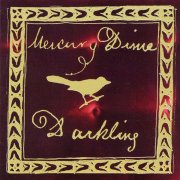
Named for an early Twentieth-Century ten-cent piece, North Carolina's Mercury Dime were an alt.country outfit, whose second and last album, 1998's Darkling, starts well with opener The Virgin Of The Road, but quickly settles into Americana-by-numbers, sadly. Other better tracks include the electric sitar-driven Robert Kennedy and the rocky Jessica, but too many country weepies drag the album down.
Mainman Cliff Retallick plays producer Mitch Easter's Chamberlin, with background strings on Lighthouse On Driftwood, The Garden Of Memories, For Xe Xi Xa Xo and the title track; nice to hear, but not enough to raise the album's overall rating.
 |
A Little Bit of Everything (1975, 39.06) **½/T |
|
| Fever Island in the Sun All for Jesus Winston Spree Yellow Bird/Beautiful Barbados Do Dem Back Country Cousin Mandy |
Longfellow Serenade Only Yesterday Hot Licks Old Days |
|
Current availability:
Mellotron used:
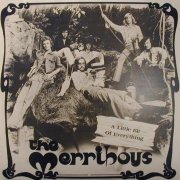
The Merriboys were that oddest of things, an all-white band from the West Indies, specifically Barbados. Their fourth album of five (assuming Discogs is correct), 1975's A Little Bit of Everything, shifts between calypso, reggae, soca and rather slushy balladry in a set consisting mostly of covers, including two Lord Kitchener calypso numbers and well-known efforts by Neil Diamond, Barry Manilow (the godawful Mandy) and The Carpenters. Highlight? Unquestionably Hot Licks, none other than a studio drum solo, credited to drummer Maxie Taylor, segueing into closer Old Days.
After Mandy's phased string synth, I'd thoroughly given up on hearing any actual Mellotron from keys man Wayne Gibbs, when it finally kicks in on Old Days, a rather screechy strings part dipping in and out of the song, scraping one T largely due to its volume. Can I recommend this? Honestly? Not really, no, but it's unpretentious, while they do what they do with aplomb.
 |
Bramble Rose (2002, 52.37) ***/½ |
|
| Trouble Over Me Virginia, No One Can Warn You Neighborhood Bird of Freedom Bramble Rose I Know Him Too Sunday Supposed to Make You Happy |
Diamond Shoes Are You Still in Love With Me? When I Cross Over |
|
 |
Tambourine (2004, 46.00) ***/T½ |
|
| Stray Paper Wait it Out Good Hearted Man Ain't Looking Closely Still Pretending Write My Ticket Your Love Made a U Turn Plainest Thing |
Late Night Pilgrim I Am Your Tambourine Laid a Highway Shadow in the Way |
|
 |
Another Country (2008, 41.57) **½/T |
|
| Something to Me Broken Another Country Hopes Too High Morning is My Destination Keep You Happy I Know What I'm Looking for Now |
Tell Me Something True My Heart is Free Tender Branch Mille Tendresses |
|
Current availability:
Chamberlins/Mellotron used:
Tift Merritt's career began in the late '90s, her first album, Bramble Rose, appearing in 2002. It's at the 'country' end of 'alt.country', with a little too much pedal steel for comfort, although the songwriting's good, steering clear of many of the genre's clichés. Opener Trouble Over Me and closer When I Cross Over might just be the album's best tracks, especially the occasional Neil Youngisms on the latter, although Supposed To Make You Happy probably beats them on the lyrical front. Unfortunately, fifty minutes of this is more than the non-country fan is likely to be able to bear; it's a shame there isn't a little more stylistic variety on the record, but most of its tracks, taken in isolation, are fine. Credited Chamberlin from Ethan Johns on two songs, with low strings on Neighborhood, but nothing especially audible on the title track, despite its sparse arrangement.
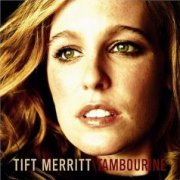
Two years later, Merritt followed-up with Tambourine, an album on the other side of the rock/country balance, making it rather more listenable for those allergic to pedal steels, with a somewhat Stones-ish vibe about some of the rockier tracks. Again, album opener Stray Paper is one of its best songs (always a good sequencing move, that), although nothing else particularly stand out, to be honest. Chamberlin from good old Patrick Warren, with background strings on Stray Paper and more upfront ones on Ain't Looking Closely, Still Pretending and Write My Ticket, assuming none of the strings are real.
There was a four-year gap before Merritt's next record, 2008's Another Country (presumably not a pun); unfortunately, her schtick has become a little tired, most of its material falling into the 'generic country' trap, although better tracks include opener Something To Me and the '60s soul-esque Tell Me Something True. Warren on Chamby again, with flutes and strings on the title track and Keep You Happy, so despite the instrument's legendary ability to hide in a mix, that would appear to be it.
See: Samples etc.
 |
Space Rangers (1974, 43.04) ***/TTTTT |
|
| Hollywood Blvd. Step in the Right Direction Eight Miles High King of Mars Neon Man Sunshine Superman Road to Hades High Altitude Hide'n'Seek |
Escape Sole Survivor |
|
 |
Kryptonite (1975, 37.11) ***/TTT½KryptoniteStar Rider Always Be You Give it Everything We Got The Groove Real Life Love You Know Where I'd Rather Be Let Us Be the Dawn |
Current availability:
Chamberlins used:
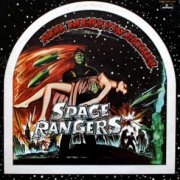
I believe Neil Merryweather (1945-2021) was a Canadian who migrated to Chicago fairly early on, hanging around for a decade or more, releasing several albums in the process, but never really breaking through. After a two-album detour into Mama Lion in the early '70s (Mellotron/Chamberlin use unknown), Merryweather went back to his solo career with Space Rangers in 1974. Now this is what I call a Mellotron album! Except that it's a Chamberlin, apparently bought from Sonny & Cher (thanks you, Wikipedia...). For those not in the know, the Chamberlin was the Mellotron's direct precursor, still in production in one form or another up to around 1980. Merryweather got a guy known enigmatically as 'Edgemont' (which I've seen written as 'Ed Gemont'...) to play one on every track on it bar their cover of the Byrds' drug anthem Eight Miles High, mostly to great effect. For some strange reason, Chamberlins tend to 'disappear in the mix' far more than Mellotrons and are often hard to discern. Not this one; for most of the album it's really 'in your face', to the point where I'd recommend this as a Chamberlin demonstration record. Not just the expected strings (as good as identical to the Mellotron's, being the same recordings), but choirs, sound effects etc. Sole Survivor even ends with a lonely trumpet melody (which I should probably recognise, but don't), complete with pitch-bend. What's that? The music? Well, it's sort of mid-'70s transatlantic hard rock with bits of prog, funk and other stuff thrown in. Bit of a mish-mash, to be honest, but not a bad listen, more for the Chamberlin overkill than anything else, really. On the cover version front, there's also their take on Donovan's seminal (it says here) Sunshine Superman, although it's almost unrecognisable.
A while back, I stated: "Interestingly, the music for Road To Hades appears to have been ripped off hook, line and sinker by Canadian band Symphonic Slam on their sole self-titled album from two years later, retitled Universe, unless there's an untold story here? There doesn't appear to be any connection between the two outfits, unless you know better (thanks to the estimable Joe Ellis for spotting that one - hi, Joe)." There certainly is an untold story... Symphonic Slam's Timo Laine wrote to me, telling me that he didn't rip off Merryweather - Merryweather ripped him and the rest of his band off. Laine wrote nearly all the material on the album, but had his writing credits stolen, making him feel more than justified in re-recording his own work! Apologies to all concerned for my inadvertent faux pas, but the story's hardly common currency... Let's hope this mention (and the one I've added to the Symphonic Slam review) help to set the record straight. Oh, and all the names on the album were changed: 'Michael "Jeep" Willis' is Laine and the mysterious 'Edgemont' is actually keyboard player Bob Silvert.
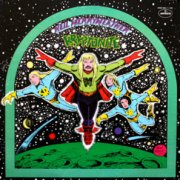
Merryweather followed-up with Kryptonite, with similar comic-art sleeve and a more straightforward hard rock agenda, losing most of Space Rangers' disparate influences. More Chamberlin, from James Herndon this time; Star Rider has one of the most upfront parts on the album, along with the proggiest track, closer Let Us Be The Dawn, which is swamped in Chamby strings. I've highlighted the opening title track, although it sounds more like synth strings to me; very hard to tell, to be honest. The album's probably less appealing than its predecessor, but still worth hearing for its string-replay work. The CD adds the entire contents of Merryweather's Neil Merryweather, John Richardson & Boers album from around '69, although I'm not sure they should've bothered. It's a pretty tedious blues/rock workout, although, paradoxically, the best track on this otherwise dull set is the near-eleven minute jammed-out closer Local 149/Are You Ready, which at least has some energy about it, despite the lengthy and unnecessary drum solo.
See: Symphonic Slam
 |
The Dawn Anew is Comin' (1972, 34.00) ***½/T½ChangesThe Dawn Anew is Coming Evil Faith and Charity Heaven Knows When I'm Home |
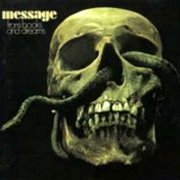 |
From Books & Dreams (1973, 41.11) ***½/½Sleep!Dreams and Nightmares (Dreams) Turn Over! Sigh Dreams and Nightmares (Nightmares) Introducing the Myth (including) The Unpleasant Spell |
Current availability:
Mellotrons used:
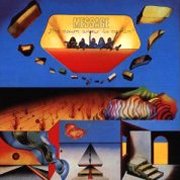
Despite the broken English of Message's first album title, the band were actually three-fifths British, only the rhythm section being German. They've been compared with Nektar in some quarters, although the latter group were all English ex-pats, never having a German member pass through their (original) ranks. Message were less 'prog' than Nektar, never having a keyboard player, although both bands had similar psychedelic/hard rock roots. Apart from the vocals, The Dawn Anew is Comin' sounds pretty Germanic to my ears, like a Teutonic Uriah Heep, maybe; the material's reasonably good, but you can see why they never broke out of their adopted country, lacking the originality that the international scene demanded. By 1972, British and American hard rock had completely moved on from its psych roots, leaving many bands in both countries adrift without a rudder, although it seems that bands in other territories survived by being the best the local scenes had to offer. This sounds like I'm slating the album and/or the German rock scene; I'm not. It's just rather apparent that this would have sold very few copies indeed in the more aggressive UK/US markets. Anyway, Nektar's "Taff" Freeman played (Dierks' studio?) Mellotron strings on the two longer numbers on side two, Heaven Knows and When I'm Home, although his use is somewhat less than overt.
The following year's From Books and Dreams appears to be some sort of concept album on the subject of sleep, the tracks running into each other (excepting the 'side gap', of course, the amusing Turn Over being an exhortation to do precisely that). After the brief Sleep!, we're off and running with the lengthy Dreams And Nightmares (Dreams) and it's immediately obvious that Message had tightened their act up considerably since recording their debut. The jamming is more focussed, even if the songs are no more memorable, making for a slightly better album than its predecessor. Mellotron from vocalist/saxophonist Tommy McGuigan this time round, although all I can hear is a couple of chords (literally) in the first part of the Dreams And Nightmares (Nightmares) sequence that ends the album.
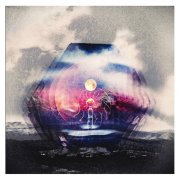 |
Illusory Blues (2014, 45.30) ***½/T½The ReturnPiscean Tide Dear Departure Perpetual Glow of a Setting Sun Midnight Somniloquist Let the Light in |
Current availability:
Mellotron used:
Messenger were the London-based trio of Barnaby Maddick, Khaled Lowe and my old pal Jaime Gomez Arellano, owner of Orgone Studios, current keepers of the Planet Mellotron Hammond. Their debut, 2014's Illusory Blues, has been lazily labelled 'prog', although a better description might be along the lines of 'psychedelic indie folk rock', not least due to the dreamy atmosphere conjured up on several tracks. Highlights? The lengthy Midnight moulds their disparate influences into a more cohesive whole than most of the album's contents, not to mention the interesting production tricks used on the track, while Somniloquist (the single) rocks out, at least lightly, although Dear Departure (for example) veers too close to that post-rock/indie crossover thing for its own good.
The band hired my M400 (my Hammond is, unsurprisingly, all over the record), using the Mellotron on a definite pair of tracks, with mournful flute swells on opener The Return and a strident string part and chordal flutes in the second half of Midnight, although the strings on Somniloquist sound real. So; a confident debut, of the kind that will most likely grow on the discerning listener given enough plays, although probably not quite enough Mellotron to be worth it for that alone.
 |
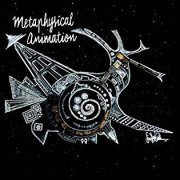 |
Metaphysical Animation (1973, 62.58) ***½/TTT½Two Songs in SpaceOde to a Seraph Chamber Fellow Hey Now Mama Paper People Empyreal Souls I've Been Blue Better Way You're the Guru |
Current availability:
Mellotron used:
Metaphysical Animation? An obscure, Florida-based psych/prog outfit, whose sole, eponymous (ambitious double) album only achieved extremely limited promo release at the time (thus the handwritten sleeve) and has only recently made itself known to the general public. Although their default setting was jammed-out, well, psych/prog, they explored several facets of that spectrum, from quoting Norwegian Wood on opener Two Songs In Space to Ode To A Seraph Chamber Fellow's more straightforward prog moves, Empyreal Souls' middle section's full-on prog-out, I've Been Blue's predictable blues moves and closer You're The Guru's jazzy feel. Highlights? Probably Paper People and that prog section in Empyreal Souls.
Keys man Bill Sabella on Mellotron, with chordal strings on Two Songs In Space and Empyreal Souls, flutes and strings on Ode To A Seraph Chamber Fellow, Paper People and I've Been Blue, background strings under the lengthy guitar solo on Better Way and occasional strings on You're The Guru. Pretty full-on, frankly; it still amazes me that previously-unknown recordings of this quality (not to mention this level of Mellotronness) still turn up all these years later. As a postscript, Black Widow's welcome 2019 reissue means we can all hear this minor gem.
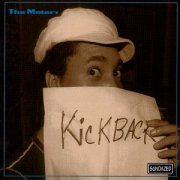 |
Kickback (2001, recorded 1975-76, 57.00) ***½/T |
|
| Big Chief Come Together Hang 'Em High What More Can I Do Keep on Marching (Funky Soldier) Jambalaya Down By the River Honky Tonk Woman |
He Bite Me Easy (Trip) Rock and Roll Medley All I Do Every Day Love the One You're With A Mother's Love |
|
Current availability:
Mellotron used:
The Meters, a.k.a. New Orleans' finest, are the kind of band I respect hugely, but have never, er, actually listened to. Because? Because they're revered as one of the world's premier funk/soul outfits and, er, I don't really like funk or soul. Small-minded? Moi? Well, here's my excuse! 2001's Kickback is a compilation of outtakes and the like, many of them covers, some of which have subsequently turned up as regular album bonus tracks, highlights including kicking (ho ho) opener Big Chief, a slinky, nine-minute version of Neil Young's Down By The River and a near-hard rock take on The Stones' slightly misspelled Honky Tonk Woman.
Art Neville on Mellotron on Easy (Trip), with 'orchestral replacement' strings and flutes, ironically, one of the album's few tracks I could do without hearing again. So, now I've heard The Meters! I have an odd feeling that I might actually prefer this to one of their 'regular' albums; should I get to hear any of them at any point, I expect I'll find out.
 |
Method (1976, 29.56) **/½ |
|
| So Excited Yorkshire Lad Someone to Love Don't Leave Me Baby Run Run Run Woman Passing Strangers Lonely Eyes |
Sometimes You Win Ask No Questions |
|
Current availability:
Mellotron used:
After 'discovering' 10cc, who were quite capable of 'discovering' themselves, to be honest, the oily Jonathan King and his third-rate UK label were unstoppable, releasing a stream of tedium in the hope of breaking through with the 'next big thing'. As soon as you see a sleevenote on the back of an album written by some third-party exec, you know you're in for a rough ride, with the glaring exception of the first Boston album (no, really). Method is no exception to the rule, King's hyperbolic rant including such phrases as 'a remarkable bunch of musicians', 'incredible professionalism', 'rekindling the tang of jaded taste buds' (?!) and worst of all, 'combination of heavy sounds and sweet melody'. HEAVY SOUNDS?? For fuck's sake, King, is that the best you could come up with? To be fair to the band, I'm sure they were a decent enough bunch of blokes, but their music was anodyne, faceless '70s pop/rock with little genuine hit potential, although they weren't quite as bad (or commercial) as, say, Liverpool Express.
Guitarist John Hughes doubled on piano and Mellotron, with one credited track, Don't Leave Me Baby (which, to be fair, features a nice little guitar hook). To be honest, it doesn't sound an awful lot like a Mellotron, though it's so far down in the mix, it's rather hard to tell. Is it a Mellotron? Is it a string synth? Dunno, but it's a pretty dull part, whatever it is. So; pretty awful album, no obvious Mellotron. Avoid.