




|
|
|
|
||
|
|
One Truth Marykate O'Neil Onion Band Yoko Ono/Plastic Ono Band |
Opium Cartel Orange Humble Band Orange Peels Orange Wedge |
Oranj Symphonette Oranssi Pazuzu Tim O'Reagan |
Orion Orion the Hunter Le Orme |
Omega (Hungary) see: |
 |
 |
Gospel Truth (1977, 43.08) *½/T |
|
| Gospel Truth God-Man Worship the King Born Again Way Up High Once Not So Long Ago Double Minded Man One Day at a Time |
Reprise (Once Not So Long Ago) Prodigal Clay |
|
Current availability:
Chamberlin used:
One Truth were a '70s US CCM outfit with a difference: instead of the standard soft-rock-to-MOR flavourings, this bunch played spot-on soul-lite, musically indistinguishable (at least to my ears) from many similar, secular bands of the era. Does that make them any better than the competition? Marginally, but it's akin to the difference in smell between two turds, so don't go thinking this might actually be any good. At their most convincing when they get (ever so slightly) funky, their attempts at 'rock' are pretty laughable, but the likes of opener Gospel Truth and the balladic Double Minded Man remind me of the more acceptable R'n'B to be heard at the time. Lyrically, of course, it's the usual combo of bullying, passive-aggressive 'join us or burn forever' bullshit and piss-yourself-laughing nonsense such as "We're going to be together for that meeting in the sky/Christians don't ever have to say goodbye" (Way Up High), which, essentially, redefines the word 'banal', at least in my book (which isn't, of course 'The Book').
Unusually for such efforts, this features track-by-track credits, letting us know that keys man George Smitty Price plays Chamberlin on closer Prodigal Clay, with massed, multitracked voices, sounding more like a Mellotron, as their weird, solo vibrato is subsumed into a full choir effect. Does anyone really need to hear this? Of course not; there's vastly better genuine soul out there, much of it religiously inspired, but without this crew's sledgehammer approach, while only sad God-botherers are going to gain anything from the ludicrous lyrics. Is it even funny? Way Up High made me LOL, as they say, but the rest of it's the usual teeth-gritting stuff. Another Mark Medley contribution, folks. I'll publish his address for you one day.
 |
Marykate O'Neil (2002, 41.02) **½/T |
|
| Hudson Mundane Dream Getting Out of Bed U-Haul Radio Shack Another Saturday Newsday Still Waiting |
Sunny Day Stop Bedsore Brain Prime Time Secret Crush 8th & 14th |
|
Current availability:
Chamberlin used:
Wikipedia describe Marykate O'Neil as an 'indiepop singer-songwriter', which sounds about right, going by the contents of her eponymous debut. Much of the album ploughs the same old indie furrow, wafting along on a cloud of rather twee vocals and lightweight instrumentation, better tracks including the jangly Another Saturday, Still Waiting and the propulsive, '60s-esque Prime Time.
Brad Jones (Marshall Crenshaw, Over the Rhine) plays Chamberlin, those distinctive strings murmuring in the background on U-Haul, although other possible use probably isn't. There's one more alleged Marykate tape-replay record, 2006's 1-800 Bankrupt, which you'll find in Samples etc.
See: Samples etc.
 |
Funny Old Business (1997, 55.58) ***½/T½ |
|
| High Germany Dirty Old Town The Green Fields of France Dennis Murphy's/John Ryan's The Curragh of Kildare The Oak and the Ash Mist Covered Mountain/Out on the Ocean Change at Thorpe-le-Soken |
The Ballad of Cursed Anna The Old Armchair The Rights of Man The Warlike Lads of Russia King of the Swingers Down Where the Drunkards Roll The Blackbird and the Thrush |
|
Current availability:
Mellotron used:
The (Celebrated) Onion Band have been around since the mid-'80s, playing folk gigs in Essex and Suffolk pubs, seemingly perfectly happy with staying at that level, as far as I can work out. Funny Old Business is their fifth and, to date, latest release, though without writing credits, I'm not sure how many (if any) of the songs are band originals. Dirty Old Town is Euan McColl, Down Where The Drunkards Roll is Richard Thompson, King Of The Swingers is from The Jungle Book, while several of the others are by that most prolific of songsmiths, 'Trad. Arr.', but I really wouldn't like to say for many of them. Will you like this album? Do you like English folk? Then you'll like it. Apart from the occasional keyboard interjection, it's endearingly authentic, right down to Pug Rayner's 'oo-arrr' vocals.
Speaking of keyboards, bizarrely, the band own an M400 with eight tape frames and have used it on two previous albums, 1988's Now There's a Thing...! and '90's Entirely Made of Wood! I'm told that Funny Old Business's producer, John Robert Peel, was rather unkeen on the Mellotron, for his own, twisted reasons and as a result it's not only used sparingly, but buried so far down in the mix that the first point at which I realised there was some on High Germany was the faint strings on the final chord. Change At Thorpe-Le-Soken (which sounds like their own composition) opens with some Mellotron sound FX, which leaves the quite audible strings and flutes of The Ballad Of Cursed Anna and some more faint strings on the jig, The Rights Of Man.
I hear dark rumours that the band have a stash of tapes made over the years, many featuring their Mellotron rather prominently. So, where are they, chaps? For that matter, it's now six years since you've released anything, according to your own site. Activity, please! Anyway, as I said above, if you like English folk of the more raucous variety, you'll probably like this lot, although it's pretty low on Mellotronic input.
 |
Feeling the Space (1973, 45.28) ***/T½ |
|
| Growing Pain Yellow Girl (Stand By for Life) Coffin Car Woman of Salem Run, Run, Run If Only A Thousand Times Yes Straight Talk |
Angry Young Woman She Hits Back Women Power Men, Men, Men |
|
 |
A Story (1997, recorded 1974, 37.21) ***/T½ |
|
| A Story Loneliness Will You Touch Me Dogtown Tomorrow May Never Come Yes, I'm a Witch She Gets Down on Her Knees It Happened |
Winter Friend Heartburn Stew Hard Times Are Over |
|
Current availability:
Mellotrons used:
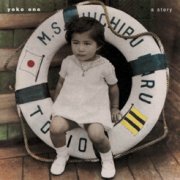
Yoko Ono needs no introduction, I hope; Feeling the Space was her fourth solo album proper (i.e. without John), a smack in the face for those who claim that she can neither write nor sing, as she tackles both disciplines with aplomb. It's an album of radical feminism, in an age when lower wages for women, constant sexist remarks and rape within marriage were actually considered acceptable, as against now, when they're slightly more frowned-upon by some people. Angry Young Woman and Women Power are the album's apotheoses, referencing abortion and other fundamental feminist issues in a way few (any?) other artists did at the time. Musically, it's all pretty much as you'd expect; middling early '70s rock with few outstanding features, although closer Men, Men, Men is an amusing jazz pastiche, featuring John's ironic two-word cameo as the album's last moment. John's keyboard player, Ken(ny) Ascher, plays Mellotron, with strings and cellos on opener Growing Pain (although the flute's real) and Coffin Car, although that would seem to be your lot. Incidentally, I believe it was during the recording of this album that the (hired-in?) M400 was unofficially borrowed by Martin Mull's keyboard player, Keith Spring, who used it to surprising effect on one track on Mull's otherwise below-par Normal.
A Story was recorded in 1974, but not released, for reasons unknown, possibly connected with John's 'legendary' 'lost weekend', a.k.a. how famous men leave their wives for younger women. Much of its material, re-recorded, appeared on later albums, while the original recordings first appeared on 1992's Onobox, the complete album only gaining a full release in 1997, complete with three 'bonuses', although there doesn't appear to be a version of the album available without them. To be honest, it's not dissimilar to Feeling the Space in the 'middling rock' stakes, probably at its best on She Gets Down On Her Knees; while not a great track, given the circumstances, how could that Georgian guitar line on Hard Times Are Over not be deliberate? Ascher on Mellotron again, with pseudo-orchestral string and flute parts on the opening title track and background flutes and strings on Tomorrow May Never Come. Two albums that are probably more 'interesting' than 'must-haves', then, although they're a very long way from Yoko's primal scream stuff of a few years earlier.
See: John Lennon
Opeth (Sweden) see: |
 |
 |
Night Blooms (2009, 47.43) ***½/TTHeavenmanBetter Days Ahead Skinnydip By This River Three Sleepers Honeybee Beach House Flicker Girl The Last Rose of Summer |
 |
Ardor (2013, 51.20) ***½/T½ |
|
| Kissing Moon When We Dream Silence Instead Northern Rains Revenant White Wolf The Waiting Ground |
Then Came the Last Days of May Mariner, Come in |
|
 |
Fair Light E.P. (2014, 15.04) ***/T½Clear DaysFair Light (demo) Modular Love When We Dream (single mix) |
 |
Valor (2020, 44.40) ***/TIn the StreetsSlow Run A Question of Re-Entry Nightwings Fairground Sunday Under Thunder The Curfew Bell A Maelstrom of Stars What's it Gonna Be |
Current availability:
Mellotrons used:
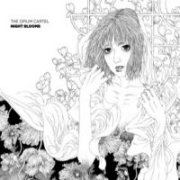
The Opium Cartel are effectively a White Willow side-project, led by mainman Jacob Holm-Lupo, more in the indie/wyrd folk crossover field than his main band's progressive area. Their 2009 debut, Night Blooms, is a fascinating, if slightly inconsistent album, male and female vocals on various tracks, the latter probably working better overall. While most of the material sits most comfortably within the above description, the eight-minute Beach House is a jammed-out psych/prog classic that could have lasted much longer without outstaying its welcome, while opener Heavenman and closer The Last Rose Of Summer are probably the most successful takes on the band's main style.
The album is practically a Scandinavian Mellotron Gods sampler (excuse the phrase), with not only Holm-Lupo, but current White Willow, Wobbler and others keys man Lars Fredrik Frøislie and celebrated Änglagård/AK-Momo/Pineforest Crunch etc. etc. dude Mattias Olsson all on various Mellotrons in various studios across the region. While it's impossible to say who actually plays what, opener Heavenman is thick with tape-replay, with a rather stark cello line morphing into flute chords and back again, while Three Sleepers sounds like Mellotron cellos, despite the presence of a real one on the album, with possible faint strings in there somewhere, although they're more likely to be Mattias' Optigan or Orchestron. More of those unidentified strings on Beach House, along with some background choir (Orchestron again, or maybe Roland Vocoder?) Definite Mellotron flutes and strings on Flicker Girl, although it's more than possible that various odd sounds have been inserted here and there, flying under my Mellotron radar.
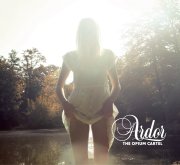
Four years on, the project follow up with 2013's Ardor, highlights including the haunting Silence Instead, White Wolf, tense with pent-up energy, the swooning The Waiting Ground, lengthy psychedelic closer Mariner, Come In (the closest either of these albums get to 'prog') and an inspired version of The Blue Öyster Cult's desert-blasted tale of a drug deal gone tragically wrong, Then Came The Last Days Of May, even more haunting than the original, if that's possible. An obvious reference point this time round is No-Man; hardly surprising, as vocalist Tim Bowness guests on one track, while live lineup member Stephen Bennett (Henry Fool) plays a wide range of mostly vintage keyboards. Mellotronically speaking, I really can't tell whether we're hearing choirs on opener Kissing Moon and Mariner, Come In, or whether they emanate from something else, but we get a couple of definite sightings, with occasional strings from Mattias Olsson on Revenant and more upfront ones, plus flutes on The Waiting Ground, presumably Bennett's credited Novatron, although Frøislie sticks to synths and Rhodes piano.
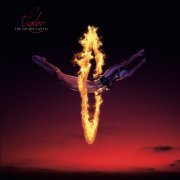
2014's Fair Light E.P. appears to be a free download, which is generous of the band. As a result, it's hard to tell whether this is the intended track order, or Soundcloud simply lists them alphabetically, as the sequencing seems somewhat eccentric. Anyway, their cover of Yes' Clear Day (from Time & a Word, in case you're as bemused as me) is nice, if inessential, ditto the Fair Light demo (is that actually a Fairlight on there?), leaving the synth-stuffed Modular Love as the best thing here, also the only Mellotron track, with a skronky string line possibly played by Mr. Olsson. 2020's Valor takes a violent left-turn into '80s territory; not so much synthpop, more mainstream '80s pop, never a thing to gladden Planet Mellotron's heart, to be brutally honest. Holm-Lupo makes a good go of it, mind, with interesting synth work on A Question Of Re-Entry, while the upbeat Under Thunder works well, other highlights including Fairground Sunday, The Curfew Bell and A Maelstrom Of Stars. Holm-Lupo apparently replaced some of his initial Mellotron work with Oberheim strings, leaving background Mellotron strings on Fairground Sunday and upfront flutes on A Maelstrom Of Stars.
See: White Willow | Änglagård | Wobbler | Tim Bowness
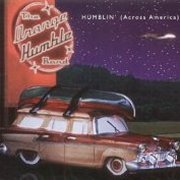 |
Humblin' Across America (2001, 52.40) ***½/TT |
|
| Vineyard Blues What's Your Crime? On Our Way Back Home Any Way You Want it One Hour's Lonely Play Better Just Fake it Listen Up! Annie Run Run Run |
The Ballad of Gospel Sam Can You Imagine Freewheelin' Skyway Believin' Crescent City Ball Park Theme The Way She Moves Come Try This |
|
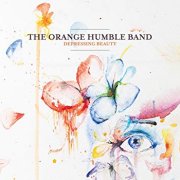 |
Depressing Beauty (2015, 59.56) ***/½ |
|
| You Close Your Eyes The Girl Without a Name Conversations With Myself Sowannadoit Ain't Tougher Than Me Our Beautiful Selves If That's What You Want Get Straight Down |
Once My Precious You Oughta Feel Ashamed No One Cares About Me Emma Amanda Upon Cindy's Will With the Universe in My Hand Something Goin' on |
|
Current availability:
Chamberlin/Mellotron used:
The Orange Humble Band are a 'powerpop supergroup', at least on their second album, 2001's Humblin' Across America. Aussie band leader Darryl Mather played with the Lime Spiders, Ken Stringfellow is chiefly known as top Posie, while guitar/keys man Mitch Easter, despite having played with many bands, is best known for his production work with R.E.M. Not to be outdone, Big Star drummer Jody Stephens was a band member, while Big Star's sometime producer (and Mellotron player), Jim Dickinson, plays piano on one track. Does this sound like an amalgam of The Posies, Big Star and Jellyfish? Of course it does; do you have a problem with that? The album is split into three 'mini-suites', tracks 1-5 subtitled Humblin' (Across America), 6-9, A Southern American Small Music Revue and the remainder End Revue. The three parts all have different musical emphases; music biz legend Spooner Oldham plays various keyboards on most of the album, so it's hardly surprising that the second 'suite' takes a more countryish turn than the other two, although I'm still not sure what it's all about. As far as the album's tape-replay goes, Easter plays Chamberlin on several tracks, with a beautifully arranged string part on opener Vineyard Blues and a much shorter one on One Hour's Lonely Play. Almost inaudible strings on Can You Imagine, a sustained string note (studio trickery, I suspect) on the short instrumental Crescent City Ball Park Theme and a 'proper' string part in closer Come Try This.
Fourteen years on (!), Mather decides to record the third OHB album, the aptly-named Depressing Beauty. Because? Because, although some of its songs (of which there are rather too many) could be described as 'beautiful', the album as a whole is a little depressing, chiefly due to its shift towards the pop/rock mainstream. Yes, a handful of songs could still be described as 'powerpop' (opener You Close Your Eyes, Our Beautiful Selves, Once My Precious You), but far too many of them drift along in a lacklustre kind of way, unable to summon up the joie de vivre of the album's distant predecessor. Perhaps Mather's decided to leave all that stuff behind. A pity. Rick Steff plays Mellotron; given that Mitch Easter's involved, I'm presuming it's real. Anyway, real strings on several tracks, leaving just the strings on Upon Cindy's Will as definitely Mellotronic.
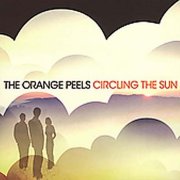 |
Circling the Sun (2005, 34.07) ***½/TTT |
|
| Something in You California Blue Circling the Sun So Right I Don't Wanna Shine Long Cold Summer What's it Like Mary Jo? Tonight Changes Everything |
Boy in Space How Green the Grass |
|
Current availability:
Mellotron used:
California's The Orange Peels seamlessly cross the (admittedly rather narrow) divide between pseudo-late '60s psych and 'sunshine pop', coming across as the bastard offspring of Jellyfish, if I may use such a coarse adjective to describe a band with such a sunny musical disposition. Their third album, Circling the Sun, wins on several fronts, being short enough not to outstay its welcome (hurrah! At last!), with no compositional fluff and excellent performances from all concerned. Best track(s)? Hard to say on a first listen, but opener Something In You is one of the strongest on the album, setting the listener up nicely for the rest of the record.
Mellotron on most tracks from Allen Clapp and Bryan Hanna, opening the album with strings and flutes on Something In You, faint flutes on California Blue and (semi-)orchestral strings on the rest of the highlighted tracks, making this a surprise Mellotronic treat, assuming it's real, of course... So; a cheerful, summery modern psych album that's well worth hearing, with plenty of Mellotron work to boot. Recommended.
See: Incredible Vickers Brothers
 |
 |
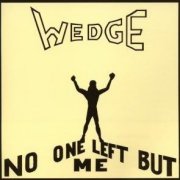
No One Left But Me (1974, 34.21) ***½/TTS.P.Hungary Man No One Left But Me Dream Whisky and Gin People The Gate |
Current availability:
Mellotron used:
 |
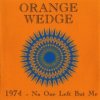 |
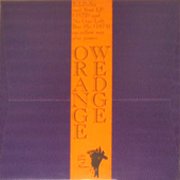
There seems to be a little confusion over Orange Wedge (who were, confusingly, also known as Wedge)'s catalogue; one source quotes an eponymous album in 1972, followed by '74's No One Left But Me and there's a Japanese vinyl-only 2-LP set that covers what appears to be all the tracks from both albums. Much of No One Left But Me is rather average hard rock, although it definitely has its moments, not least opener S.P., Dream and The Gate.
Three Mellotron tracks, from OHO's Mark O'Connor, with brief string parts on S.P. and Dream (although the male voices here sound real), leaving the nearest the album gets to major Mellotron use being the strings on lengthy closer The Gate, well in the background, although the initial rather minor part is expanded into quite major orchestration later in the song. This seems to be more one for the collector than the dedicated obscure hard rock fan, although maybe subsequent listens will reveal the album's charms to me. Not bad, not great, some passable Mellotron.
See: OHO
 |
The Oranj Album (1998, 49.26) ***½/½ |
|
| Call Me Mister Tibbs The Magnificent Seven Satin Doll Beat Girl Bananas Dreamsville A Man and a Woman After the Fox |
Arabesque Midnight Cowboy Up, Up and Away Chelsea Bridge Valley of the Dolls |
|
Current availability:
Mellotron/Chamberlin used:
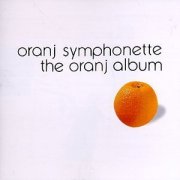
Oranj Symphonette are/were a San Francisco-based five-piece, including legendary jazz pianist Dave Brubeck's son Matt, whose remit seems to be to tackle film themes in their own inimitable style. Since the whole band are session musos, the playing is immaculate, as are the arrangements, done with no little humour. I believe The Oranj Album is their second effort, although I can find no trace of any subsequent releases, so they may well have decided it was all too much trouble. A shame, as this is a witty, urbane album, without being at all up itself, taking on Bernstein's The Magnificent Seven, or John Barry's classic Midnight Cowboy without coming unstuck once.
Keys man Rob Burger plays both Mellotron and Chamberlin on Duke Ellington's Satin Doll, with wobbly flutes from one and, er, something from the other, though it's hard to tell what, as the possibles (sax, banjo, piano) are all covered by the real things. Anyway, I enjoyed this vastly more than expected, to the extent that I'd say it's a definite buy for film theme fans, though I'd urge considerable caution on the tape-replay front.
See: Lullaby Baxter
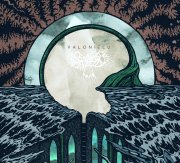 |
Valonielu (2013, 46.18) ***½/T½Vino VersoTyhjä Temppeli Uraanisula Reikä Maisemassa Olen Aukaissut Uuden Silmän Ympyrä on Viiva Tomussa |
Current availability:
 |
Mellotron used:
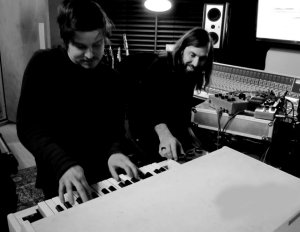
Finnish black metallers Oranssi Pazuzu opted to record their third album, 2013's Valonielu, at my friend Jaime Gomez Arellano's North London studio, Orgone, hiring my M400, presumably at his urging. For non-scenesters (that'll be me, then), this is possibly best described as 'atmospheric metal', the genre's standard sludgy guitars and growled vocals augmented by keyboards, heavily-effected six-strings and an open-minded approach to song structures, highlights including the quiet-yet-ominous Reikä Maisemassa, the gothy Olen Aukaissut Uuden Silmän (guitar tone straight out of The Banshees' back catalogue) and (relatively) experimental, fifteen-minute closer Ympyrä On Viiva Tomussa.
'Evill' (real name unknown) plays Mellotron strings on Reikä Maisemassa and Ympyrä On Viiva Tomussa and are those murky, pitchbent strings hidden in the mix on Uraanisula more of the same? Unconfirmed. All in all, a good, forward-looking album that will hopefully keep the less hidebound members of the black metal community happy, while possibly even finding the band new fans amongst those who would usually shun the style. Worth hearing.
Orchestral Manoeuvres in the Dark (UK) see: |
 |
 |
Tim O'Reagan (2006, 38.41) ***½/T |
|
| These Things Black & Blue River Bends Highway Flowers Anybody's Only That's the Game Ivy Girl/World |
Ocaso Rosa Just Like You Plaything |
|
Current availability:
Chamberlin used:
Drummer/songwriter Tim O'Reagan joined The Jayhawks in 1995, remaining with the band through their various hiatuses (hiatii?). His only (to my knowledge) solo album to date, an eponymous 2006 release, is a solid alt.country set with the occasional ripping guitar solo to remind us of the man's roots, highlights including Highway Flowers, Anybody's Only and closer Plaything. My only criticism is that a couple of tracks fail to sustain the momentum, but cutting them out would take the album down to around half an hour...
Pete Sands plays Chamberlin strings on Ivy and flutes on Plaything; nothing startling, but always nice to hear. Tim O'Reagan is pretty much an essential purchase for Jayhawks fans, or indeed, anyone into the alt. end of country, featuring good, memorable songwriting and a sound to die for.
See: Jayhawks
 |
Sometimes Words Just Get in the Way (1975, 42.33) **½/½MandyWhile My Guitar Gently Weeps Sometimes Words Just Get in the Way Carnival Street Visions I Shot the Sheriff Drifting Emotion Gimme Shelter |
Current availability:
Mellotron used:
Orion? Although Allmusic give 1975's Sometimes Words Just Get in the Way (their sole album?) a good review, I can't say I'm blown away. Instrumental versions of hits of the day plus a couple of originals, mostly blandly arranged, doth not an especially interesting listen make. Opening with Barry Manilow's Mandy (originally Brandy, by Scott English, fact fans) wasn't their best move, while their flute-led take on Marley's I Shot The Sheriff manages to be duller than Clapton's version. Any better tracks? Closer Gimme Shelter is easily the best thing here, transforming The Stones' urgent original into a laid-back psych jam.
Dominic Francese plays Mellotron, if only just, with background choirs on I Shot The Sheriff and Gimme Shelter. This turns up on download blogs, but I'd be hard-pushed to particularly recommend it.
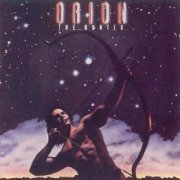 |
Orion the Hunter (1984, 42.25) ***/½All Those YearsSo You Ran Dreamin' Dark and Stormy Stand Up Fast Talk Too Much in Love Joanne I Call it Love |
Current availability:
Mellotron used:
Orion the Hunter were formed by ex-Boston guitarist Barry Goudreau, apparently frustrated by his former bandleader's refusal/inability to finish their stupendously delayed sequel to 1978's Don't Look Back (the album, Third Stage, finally appeared in '86 and wasn't worth the wait). The rest of the band consisted of ex-Heart drummer Michael Derosier, Bruce Smith on bass and the silver-larynxed Fran Cosmo on vocals, who had also sung on Goudreau's 1980 self-titled solo effort and ended up in (surprise surprise) Boston (thanks to Greg for that snippet of info). Orion the Hunter straddles the pomp/AOR divide slightly uncomfortably, leaning more towards the latter style, the former somewhat out of favour by the mid-'80s (too clever, I'd imagine). As a result, despite a strong opener in All Those Years, much of the album slips into commercial tedium, although still a very long way ahead of the new breed of AOR acts coming up at the time, including the execrable Bon Jovi and Britain's 'once good' Def Leppard.
Without a permanent keyboard player, the band used three different musicians, including John Schuller on 'Oberheim organ' (presumably the pseudo-Hammond sound heard here and there) and Mellotron. Not that he overuses it, mind; background choirs on So You Ran and what I think are a couple of choir chords, either doubled with polysynth or heavily effected, at the beginning of Stand Up. So; not a Mellotron album, but if you go for that pomp thing, chances are you'll like some of this.
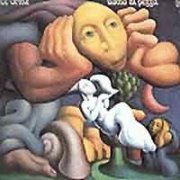 |
Uomo di Pezza (1972, 31.46) ****½/TT½Una Dolcezza NuovaGioco di Bimba La Porta Chiusa Breve Immagine Figure di Cartone Aspettando l'Alba Alienazione |
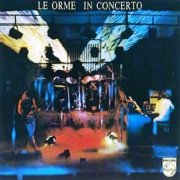 |
In Concerto (1974, 45.53) ***½/TTTruck of Fire (parte I)Truck of Fire (parte II) Sguardo Verso il Cielo Preludio a Era Inverno Era Inverno Rittorno al Nulla Collage (Sigla) Collage |
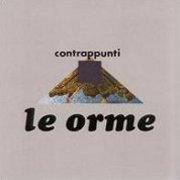 |
Contrappunti (1974, 33.33) ****/TContrappuntiFrutto Acerbo Aliante India La Fabbricante d'Angeli Notturno Maggio |
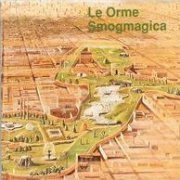 |
Smogmagica (1975, 36.05) ***/TLos AngelesAmico di Ieri Ora o Mai Più Laserium Floyd Primi Passi Immensa Distesa Amanti di Città L'Uomo del Pianino Laurel Canyon |
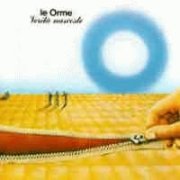 |
Verità Nascoste (1976, 41.20) ***½/TInsieme al ConcertoIn Ottobre Verità Nascoste Vedi Amsterdam... Regina al Troubadour Radiofelicità I Salmoni Il Gradino Più Stretto del Cielo |
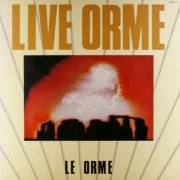 |
Live Orme (1986, recorded 1975-77, 120.20) ***½/½ |
||
| Contrappunti Maggio India Premessa a Gioco di Bimba Gioco di Bimba Era Inverno Introduzione a Truck of Fire Truck of Fire Preludio a Frutto Acerbo Frutto Acerbo |
Alianto Cemento Armato Era Inverno La Porta Chiusa Collage Whole Lotta Love Aqualung Suite (Felona e Sonora) Sospesi Nell'Incredibile I Due Pianeti Ritorno al Nulla |
Regina al Troubadour Radio Felicità Laserium Floyd Aspettando L'Alba Sguardo Verso il Cielo Collage Maggio |
|
Current availability:
Mellotrons used:
Like several other Italian prog outfits, Le Orme (The Footprint) had been around since the '60s, starting as a beat group. Their early albums, Ad Gloriam and L'Aurora Delle Orme, are apparently more psych than progressive, while 1971's Collage has been compared to ELP (same keys/bass/drums lineup, too), but by '72's Uomo di Pezza, they'd discovered their own voice. It's a wonderful album, folk-influenced material rubbing shoulders with full-on symphonic prog, sounding not totally dissimilar to PFM at times, although I realise that's a rather lazy comparison for an Italian band. It's inescapable, though, when you hear songs of the sheer quality of Gioco Di Bimba or Aspettando L'Alba. Toni Pagliuca is known more as a Hammond player, but his inventive synth and Mellotron work stand out here, with particularly good Moog parts on Figure Di Cartone and La Porta Chiusa. This last has what I take to be Mellotron brass chords, but they're completely overshadowed by the strings on Breve Immagine, not to mention the gorgeous polyphonic flute part on Aspettando l'Alba. A stunning album, with great Mellotron to boot. You need to own this record.
Le Orme followed Uomo di Pezza with their finest hour, the superb (if Mellotron-free) Felona e Sorona (****½), also released in an English-language version as, er, Felona and Sorona, lyrics by Peter Hammill. However, when it came to sticking out a live album, In Concerto, the band chose to go back to their earlier style, playing no fewer than three tracks from Collage, one brief snippet of Felona and a side-long largely improvisational piece. Pagliuca had his Mellotron on stage with him and the first (and by far the longest) part of Truck Of Fire has some brass under a swooping Moog, although most of the track consists of a rather regrettable drum solo. Part 2 has more of the same, as does Sguardo Verso Il Cielo, while Era Inferno (I think) has another bloody drum solo! Strings at last on Collage, so there's actually quite a bit of Mellotron, though most of it's rather inessential, to be honest.
Contrappunti is generally regarded to be their last great album and, while not quite up to its two studio predecessors, it's pretty good, although no one track really stands out. One Mellotron track only, too, with strings on the balladic Frutto Acerbo, plus plenty of the string synth that's also splattered all over Felona. By the following year's Smogmagica, Le Orme were beginning to lose the plot (Ora O Mai Più, most of side two), heading towards pseudo-commercial territory, although it's possible that some of the dodgier music pokes fun at consumerist America, though this is a complete guess. The only Mellotron here is a string arpeggio and monophonic melody, plus distant choir chords on Los Angeles, so given that the album overall fails to excite, I really wouldn't bother. After I'd carefully listened to Verità Nascoste for Mellotronic evidence, I opened the album's gatefold, to find track-by-track credits. Oh well, at least it proves my ears still work (just). The album's a definite improvement over its predecessor, but they'd moved on from their classic early-'70s days, so the songs are shorter and more conventionally structured, not to mention a lack of instrumentals. Sole Mellotron track this time round is Regina Al Troubadour, with an upfront string melody, although I'd hardly call it an album highlight.
In 1986, Japanese label Nexus released the surprisingly lengthy, vinyl-only Live Orme, a bits'n'pieces set apparently recorded between May 1975 and April 1977, although more specific dates seem difficult to source. Proving that their live approach hadn't changed overmuch in the several years since In Concerto, there's much jamming in evidence, not to mention tiny snippets of Whole Lotta Love and Aqualung, feeling like hangovers from their covers-band days. A fair chunk of the near-half hour Felona excerpt is taken up by a tedious drum solo, while several named tracks are no more than medleys of their best-known sections, making for a rather overlong set, if truth were told. Pagliuca's Mellotron, while present, is barely used (bearing in mind that this is sourced from more than one date and he may not have had it on stage later on), with the occasional string swell on the first version of Maggio being the only obvious use, although it's possible that it turns up elsewhere, heavily-reverbed, used as an effect. Overall, while a decent enough document of the band's mid-'70s act, this is something of a 'fans only' release. Italian label Black Widow reissued this in 2009, with five bonus tracks, although the chances of them featuring any more Mellotron are slim.