




|
|
|
|
||
|
 |
7" (1976) **/T Say Goodbye to 18 Yellow Roses It's All Over Now |
Current availability:
Mellotron used:
Going by Wikipedia's description, the largely-forgotten Harpers Bizarre (parodying, of course, Harper's Bazaar magazine) sound like an Association-lite outfit, known for a) a major 1967 hit with Simon & Garfunkel's The 59th Street Bridge Song (Feelin' Groovy) and b) legendary producer Ted Templeman's entrance to the music biz. 1976's non-album Say Goodbye To 18 Yellow Roses b/w It's All Over Now was, along with the same year's As Time Goes By LP, the result of a brief reformation, the original band having split around 1970. The 'A' is a dreadful, mawkish country number, although the flip's good-time rock'n'roll redresses the balance slightly.
An unknown (session?) musician plays orchestrally-arranged Mellotron strings on the 'A', doubtless due to budgetary constraints, to no great effect, frankly. Do you need to hear this? Of course not, but if you really feel the urge, it's on YouTube.
 |
Leo the Leopard (1974, 40.42) **/½ |
|
| The World is a Circus Teddy Love Long Lonely Summer Baby Boomerang I Don't Know Why Sayonara Leo the Leopard Leoverture |
Medicine-Man (Banana Shake) Out in the Jungle John's Café With a Blue Star Big Little Elephant I'm Running (in the City) Sunset Boulevard #1 Kangaroo Sunset Boulevard #2 Help Me Mama (I'm in Love With a Lama) Leopilog |
|
Current availability:
Mellotron used:
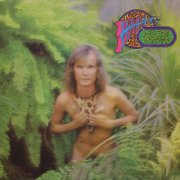
Going by his 1974 debut, Leo the Leopard, Jan Harpo Torsten Svensson was (and still is) a mainstream Swedish pop/rock artist, of the 'uninteresting to most outside his home-market fanbase' variety. The album sounds like many better-known British and American artists of the period, well-played, professional and almost devoid of any points of interest to the non-fan, the vaguely Japanese-esque Sayonara being about the best thing here, certainly better than side two's side-long title suite (subtitled 'A Musical for a Rock Group and Howling Monkies'), which tells you more about it than I ever could. I'm sure that actually-not-at-all-revealing sleeve pic sold a good few copies, too, but that kind of blatant bandstanding is never going to win points around these parts (or, indeed, his).
Producer Ben (Bengt) Palmers plays Mellotron strings on Teddy Love, although the strings on several other tracks (notably Long Lonely Summer) appear to be real, making this pretty much a Mellotronic dud. For that matter, it's a dud on pretty much any grounds you might like to name, so if I were you, I don't think I'd bother.
 |
More Scrubbing the Dub (1975, 37.54) ***/½ |
|
| Queen of Sheba Goldern Pearl More Scrubbing the Dub Hail Dawta Black Bullet Roots Train King Solomon Lippy |
Smile Orange Reggae Guidance Rasta Locks Swinging Chariot |
|
 |
Reggae Disco Rockers (1975, 44.12) **½/T½ |
|
| Eighteen With a Bullet Love is Just Around the Corner Fly Robin Fly Wish Upon a Star Caught You in a Lie Dancing the Reggae What About Me Reggae Train |
Castles in the Air Look at Me (I'm in Love) Bucketful of Tears All Day Music |
|
Current availability:
Mellotrons used:
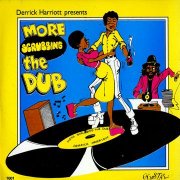
It's a bit of a moot point whom, precisely, the actual artist is on 1975's More Scrubbing the Dub; the sleeve is headed 'Derrick Harriott presents', yet the label mentions (below the title) 'The Chariot Riders'. What is certain is that Harriott was a renowned reggae producer by this point, working with various artists, sometimes being credited or co-credited as the artist himself, so he probably had more to do with the recording of this album than the band concerned. Despite its title, it's a long way from being a 'typical' dub album, consisting mostly of reggae instrumentals and the occasional vocal track, but very little actual dub-plate work, the title track and Roots Train being the nearest it gets to dub sides. Harold Butler plays most of the album's keyboards, including credited Mellotron, although the only place it even might be is the very background strings on Hail Dawta, making this a bit of a no-no on the Mellotron front.
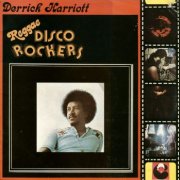
Going by the title of the same year's Reggae Disco Rockers, Harriott seems to be trying to cover as many genres as possible; what we actually get is an album of soft soul/reggae, highlighting the former's influence on the latter. A handful of Harriott originals sit alongside a range of covers, not least opener Eighteen With A Bullet, recently a hit for its composer, Pete Wingfield, although pretty much every track is given the same laid-back treatment, which you'll either like, or, er, you won't. Butler on Mellotron again, with pseudo-orchestral strings on Wish Upon A Star and Castles In The Air, with solo flute and string parts on the latter.
 |
David Ryan Harris (1997, 48.33) ***/T |
|
| Change If I Had a Dime Sympathy for the Crow King Karma Tricks Up My Sleeve Nothing More to Say Sleep Me and the Leaves |
It's All the Same Six Feet Off the Ground Genie |
|
Current availability:
Mellotron/Chamberlin used:
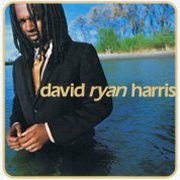
David Ryan Harris sang in Follow for Now in the '80s, who toured with the likes of Fishbone and 24-7 Spyz, before going solo later the following decade. David Ryan Harris is the first fruit of his solo career, a varied rock/pop/soul effort, veering off into jazz territory on occasion; pretty mainstream, but surprisingly good, all things considered, probably at its best on the bluesy King Karma and mildly jazzy It's All The Same.
Joey Huffman plays both tape-replay instruments, with distant Mellotron strings on opener Change and Genie, more upfront ones on It's All The Same and background Chamberlin flutes on Sleep. Despite four tape-replay tracks, I can't really recommend this on those grounds, but at least it's good at what it does.
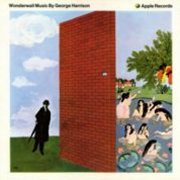 |
Wonderwall Music (1968, 45.44) ****/TT |
||
| Microbes Red Lady Too Tabla and Pakavaj In the Park Drilling a Home Guru Vandana Greasy Legs Ski-ing |
Gat Kirwani Dream Scene Party Seacombe Love Scene Crying Cowboy Music Fantasy Sequins On the Bed |
Glass Box Wonderwall to Be Here Singing Om |
|
Current availability:
Mellotron used:
George's first solo album is the soundtrack (or a part thereof) to Wonderwall, apparently a rather run-of-the-mill psychedelic-era film (I've never seen it) about a guy who brightens his life up a little by drilling a hole through to his hippy neighbours to spy on their lifestyle, falling in love with Jane Birkin in the process (understandable, if creepy). Slight? Undoubtedly, but George's soundtrack music is really rather good, combining pieces of Indian music (Microbes, Tabla And Pakavaj, Glass Box etc.) with more typically late-'60s fare, not least overly-generous helpings of barroom piano, the occasional bit of Mellotron thrown in for good measure. As with most soundtracks, don't expect a cohesive effort here; Dream Scene and Cowboy Music are much as you'd expect, while the frankly bizarre Crying features two violins wailing up and down the scale in an onomatopoeic manner.
Wonderwall Music is actually notable (at least on this site) for being George's only use of (presumably) his own MkII; at least, I don't know of any other Mellotron use throughout his lengthy solo career, although this album is hardly loaded with it. Red Lady Too has flute chords doubled with Mellotron vibes behind the almost honky-tonk piano, while Drilling A Home features MkII Dixieland rhythms with some interesting varispeed tape effects. Greasy Legs has more vibes, but Wonderwall To Be Here is the album's Mellotronic highlight, its gorgeous strings giving a very Moodies-like feel to the far too short piece. The recent CD issue adds a swarm of bonus tracks, which I believe are the rest of the soundtrack, plus other odd bits, including a track recorded with George by the Remo Four, on which I hope to comment as soon as I get to hear them. Wonderwall Music is probably best described as a 'period piece'; a pleasant listen, but don't expect to hear much (any?) of George's guitar work on it, although Eric Clapton is apparently present somewhere along the line (maybe the psych leads on Ski-ing?).
See: Bootlegs | Beatles | Paul McCartney | John Lennon | Ringo Starr
 |
Bright as You (2005, 36.51) ***/T |
|
| The Sun is Up Kickin Mule When I Fly Away Messed Up Everywhere Blues Bright as You Night, Fall on Me Voyeurs My Mad Girlfriend |
Good Night Sunshine For Your Time |
|
Current availability:
Mellotron used:
After starting off in a duo in Boston, Brooklyn-based Jason Harrod began his solo career at the end of the '90s. His second album, 2005's Bright as You, sits on the 'country' side of Americana, but with songs as good as Messed Up Everywhere Blues, Voyeurs and the upbeat My Mad Girlfriend, it hardly matters.
Phil Madeira plays (his own?) Mellotron, with overdubbed strings and flutes on Bright As You and cellos on Good Night Sunshine. Given how much bland, faceless music is to be found in the acoustic sector, Harrod comes as a pleasant surprise. Worth hearing.
 |
Eat My Shadow (2009, 39.43) **½/T |
|
| There's Nothing Wrong With You I'm Afraid of Fridays Nullarbor Plain Funny Guy Delicate Ask I Lead When We Dance Simple |
Glitter Dark Days Over Little Bridges When You Sleep |
|
Current availability:
Mellotron used:
Angie Hart was vocalist with Frente!, an early '90s Aussie pop outfit, moving on to a duo, Splendid, with her then-husband, before striking out on her own with 2007's Grounded Bird. She followed up, two years later, with Eat My Shadow, a rather insipid singer-songwriter effort with ridiculously upfront vocals (pop productions, eh?), at its possible best on Glitter. Unusually for an album of this type, you can hear Hart's strine accent all over the place, rather than the more common generic US or UK English, although I wouldn't say it's a feature that especially enhances the record.
Although Shane Nicholson is credited with Mellotron, Midnight Oiler Jim Moginie also plays keys, so I'd imagine it's his M400 we're hearing, with chordal flutes on Funny Guy and Glitter. Funnily enough, the bonus disc that comes with some versions of the album is far better than the album proper, including covers of The Smiths' There Is A Light That Never Goes Out and Neil Young's Only Love Can Break Your Heart, amongst others.
 |
Screamin' for My Supper (1999, 60.50/65.30) **½/T½ |
|
| Just a Little Hole Delicious Surprise L.A. Song (Out of This Town) Is That Too Much to Ask By Her Get Your Shit Together Stay G.O.P. |
Skin Girls Say Sky is Falling Mama Favorite Things [bonus tracks: Take Me Away There's No Sound] |
|
Current availability:
Chamberlin used:
Beth Hart is an L.A.-based singer-songwriter who, going by her performance on her second album, Screamin' for My Supper, desperately wants to be 'soulful', ending up sounding like an updated Janis Joplin (who, ironically, she has played in an off-Broadway show). There's nothing actually wrong with her voice per se, but if she stopped over-emoting for all she's worth, she'd be a lot easier on the ears. Most of the material is far too R&B-ish for my liking, although there's obviously a vast market for this stuff; not in my house, however.
In addition to the four-piece band Hart has playing with her (she plays keyboards, too), several musicians are credited on a track-by-track basis, which tells us that the ubiquitous Patrick Warren plays Chamberlin on two tracks, with various strings on Delicious Surprise and L.A. Song (Out Of This Town). However, there are three other obvious Chamby tracks, so I can only assume that her 'regular' keys man, Benmont Tench (Tom Petty's Heartbreakers) plays it, as he's done for so many other artists, not least Johnny Cash and Aimee Mann, with strings on Just A Little Hole and the album's hidden track, There's No Sound and a short flute part on Skin.
See: Samples etc.
 |
Louise Hart (2002, 41.39) **/T |
|
| Before You Come Home I Know the Story Romantic Movies I Won't Break to Pieces If This is Goodbye I Don't Wanna Hurt You Anymore I'll Give You Roses Satellites and Candlelight |
Lack of Love I'm Still the Same Okey |
|
Current availability:
Mellotron used:
Actor/singer Louise Hart's 2002 eponymous debut is a mainstream pop/rock record of the dullest kind, tiresomely upbeat in a 'please buy me!' kind of way. No, try as I might, no best tracks, despite the 'rock' guitar on I Don't Wanna Hurt You Anymore.
Tim Christensen is credited with Mellotron, with background strings on I Know The Story, which poses the question: what the hell are we hearing on opener Before You Come Home? Full-on Mellotron strings, says I, so damn the torpedoes and highlight the bugger. Terrible album, though.
 |
Those Days (1980, 37.24) ***/TT½ |
|
| Girl in a Cafe The Dreams of Sandy Lifetime and a Day Forest Hill When I Was a Leaf Since You Came Those Days Winter Wind |
When the Day is Done Soon |
|
Current availability:
Mellotron used:
Torsten Hartmann was vocalist with obscure German proggers Sea Goat, who finally released their debut album some forty-something years after their formation (!). His solo debut, 1980's English-language Those Days, is a folk-infused singer-songwriter record, possibly at its best on Forest Hill, Hartmann accompanied on a beautifully-played Rhodes, the cello-driven instrumental title track and brief acoustic closer Soon. To be searingly honest, his voice isn't the most arresting you'll ever hear, but his muted tones suit much of the material here.
Sea Goat's Matthias Wolfgarten and Walter Bauer play Mellotron, with a low strings wash on opener Girl In A Cafe, barely any more than an E minor chord drifting in and out of the mix, more upfront strings on Lifetime And A Day and When The Day Is Done and background ones on Since You Came and Winter Wind.
See: Sea Goat
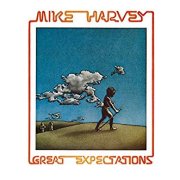 |
Great Expectations (1978, 34.22) ***/½CauldronLove Theme Crusher In Eastern Times The Awakening Great Expectations Suite We'd Like to Know |
Current availability:
Mellotron used:
Kiwi soundtrack composer Mike Harvey's keyboard-led Great Expectations is 'prog' in the way that Jeff Wayne's War of the Worlds is prog, which is to say, not very. None of its seven tracks really sounds like any other; opener Cauldron is kind of electro-prog, in a Jean Michel Jarre-ish way, Love Theme is as cheesy as you'd expect, Crusher sounds like a War of the Worlds outtake, although The Awakening's jazzy touches lift it out of the morass. Did I say cheesy? The Great Expectations Suite is like every piece of gloopy film music you've ever heard, although closer We'd Like To Know has something of Saga about it (although it's unlikely Harvey had heard them in '78), title, Dave Dobbyn's vocals and all.
Harvey plays distant Mellotron choirs on We'd Like To Know, to no great effect. In all honesty, I wouldn't go out of your way to hear this. Three stars is being kind.
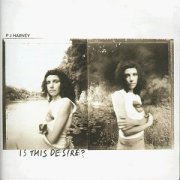 |
Is This Desire? (1998, 40.37) ***½/T |
|
| Angeline The Sky Lit Up The Wind My Beautiful Leah A Perfect Day Elise Catherine Electric Light The Garden |
Joy The River No Girl So Sweet Is This Desire? |
|
Current availability:
Mellotron used:
As is well documented, Polly Jean Harvey is a modern-day enigma, constantly changing her sound and image, always a step ahead of the pack. Sound like someone else we know? Kate Bush also falls into this category to an extent, but to her credit, Harvey sounds nothing like her, vocally or musically, unlike several other female singers I can think of. She apparently becomes irritated when critics assume that her work is autobiographical. Fair point; does anyone accuse Dylan of always writing about his own life? Actually, they probably do, which says more about them than him, I think.
1998's Is This Desire?, like the rest of her output, is effectively a singer-songwriter album, albeit heavily stylised, the core of the album being Polly's actual songs, which are pretty good if you ignore some of the now-dated arrangements. Despite the real strings on several tracks, I'm pretty sure it's Mellotron on the heavily electronic My Beautiful Leah, with strings from either late-period Captain Beefheart collaborator Eric Drew Feldman or John Parish, sounding distinctly different to the real ones.
See: Samples etc.
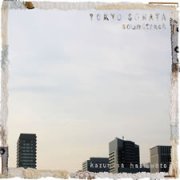 |
Tokyo Sonata [OST] (2008, 46.20) ****/TTTT |
||
| Main Theme A Shisso Kokkyo Unten [take 1] Unten [take 2] Nami Main Theme B Clair de Lune |
Asa Ryuhei no Mezame Kaigyaku Ansoku Ryushi Daini no Ansoku Tori no Yume Toku ni Mieru Hikari |
Okina Juryoku Suimin Yasashii Koe Ending Echo, Echo Clair de Lune |
|
Current availability:
Mellotron used:
Kazumasa Hashimoto's Tokyo Sonata is his soundtrack to the 2008 film of the same name, a modern tale of how 'normality' and harmony can be destroyed by circumstance. The soundtrack is a truly beautiful piece of work, performed on woodwind, piano and Mellotron; heartbreakingly transparent, this is not the soundtrack to your typical Hollywood all-action blockbuster. Aside from Debussy's Clair De Lune (the last track is Hashimoto's own arrangement, only found on this album), all the material is original, so no selection of current indie faves and past 'classics' to distract us here. This isn't the kind of album that has 'highlights' per se; it's designed to be listened to in its entirety and, at a mere forty-six minutes, surely that isn't asking too much of the listener?
Hashimoto plays what appear to be real Mellotron flutes on a large chunk of the album. Certain notes sound the same (wobbly, dull, even flat) every time they're played, which could indicate first-generation samples, but then, chances are they would if he were using the real thing, if it was badly adjusted. Anyway, it's the main sound used on all the highlighted tracks above (plus cellos on Okina Juryoku and Ending), highlights including the Main Theme, Unten [Take 2] and Okina Juryoku. This is one of the best 'Mellotron albums' I've heard in a while; do yourself a favour and get to hear it. Great composition and shedloads of Mellotron work; what's not to like?
See: Samples etc.
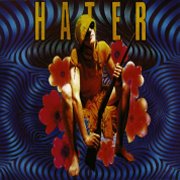 |
Hater (1993, 31.06) **½/T |
|
| Mona Bone Jakon Who Do I Kill? Tot Finder Lion and Lamb Roadside Down Undershoe Circles Putrid |
Blistered Sad McBain |
|
Current availability:
Mellotron used:
Hater were a Soundgarden side-project, formed by bassist Ben Shepherd and drummer Matt Cameron, along with Monster Magnet guitarist John McBain, all three going on to play in the rather better Wellwater Conspiracy. Hater's unformed riffs give the Seattle game away; my chief problem with the whole 'grunge' explosion is that, for something supposedly in the hard rock area, decent riffs are at a premium, although I suppose its thrashy post-punk chord sequences define it. Doesn't make me like it any more, though... Despite the album's brevity, it still manages to outstay its welcome, sounding exactly like what it is: a side-project made by the rhythm section of a better-known band. Sorry, but this is pretty unexciting stuff, badly sung and only competently played. And what the hell's with the country-punk Blistered?
Glenn Slater adds Mellotron to one track, a rather badly played string part on Lion And Lamb, which really isn't going to put this at the top of your 'Mellotron wants list', or, probably, at all, to be honest. Think: bassist and drummer record side-project. Mind you, the Wellwater Conspiracy are great; maybe they'd got their heads round the whole business by then. Oh and for anyone else who's spotted the title, opener Mona Bone Jakon is the Cat Stevens track, apparently with Shepherd's additional lyrics.
See: Soundgarden | Monster Magnet | Wellwater Conspiracy
 |
Only Everything (1995, 51.23) **½/T |
|
| What a Life Fleur de Lys Universal Heart-Beat Dumb Fun Live on Tomorrow Dying Proof Bottles and Flowers Outsider |
OK OK Congratulations Hang Down From Heaven My Darling Simplicity is Beautiful You Blues |
|
 |
Juliana Hatfield Sings Olivia Newton-John (2018, 52.03) **½/TTTT |
|
| I Honestly Love You Suspended in Time Have You Never Been Mellow A Little More Love Magic Physical Totally Hot Don't Stop Believin' |
Please Mr. Please Hopelessly Devoted to You Xanadu Dancin' 'Round and 'Round Make A Move On Me I Honestly Love You (Reprise) |
|
Current availability:
Mellotron used:
Juliana Hatfield (ex-Blake Babies) has attracted quite a bit of stick during her career for coming from a fairly well-off family. Well, kiss my arse; so what? If I tried to compile a list of 'rock stars from comfortable homes', I'd be here all year and it's only February. Going by her second solo album proper, 1995's Only Everything, I would criticise her for her bland, mainstream 'alternative' rock (alternative to what, precisely?), but that's another matter. Maybe if the album had been trimmed down to thirty-something minutes it might be better, but fifty minutes of her sub-Pixies/Nirvana style gets a bit much after a while. That isn't to say that the whole album's a dullsville waste of time; Congratulations features an interesting high-up-the-neck riff (a Hatfield trademark, apparently), while Hang Down From Heaven's acoustic verses break the pattern nicely, but there are too many also-rans here, doing the album no favours at all. Hatfield herself plays Mellotron on My Darling, with a nice enough flute part that almost certainly comes from a real Mellotron, not a very well maintained one, by the sound of it.
Fast-forward twenty-something years and Hatfield releases the, er, 'opinion-dividing' Juliana Hatfield Sings Olivia Newton-John. Remember her? Anglo-Australian singer/actress whose career peaked when she landed the female lead in Grease, alongside John Travolta. But you knew that, right? Her musical career concentrated on rather drippy balladry until Grease, when she went all 'raunchy'; Hatfield clearly sees more depth in these compositions (often by Aussie hero John Farrar) than the rest of us. Most of the songs (all hits, which tells us something about ONJ's commercial standing a few decades back) are tackled in an uneasy pop/alt.rock compromise style, probably the best anyone could do with such blatantly mainstream material, probably at their least teeth-grinding on the lyrically-suspect, overly-passive Make A Move On Me. In fairness, it's difficult to fault the songs' quality, in a chart-pop kind of way, of course; who knows, this album could even kickstart ONJ's critical rehabilitation. Or not.
Hatfield utilises Q Division Studio's MkII Mellotron (the modified ex-Mike Pinder machine, fact fans), with string parts on all highlighted tracks - everything except Physical and Totally Hot, in other words - plus flutes on opener I Honestly Love You, Have You Never Been Mellow, Please Mr. Please (which opens with a solo part) and closer I Honestly Love You (Reprise). The Mellotronic highlights are probably I Honestly Love You, A Little More Love and the pseudo-orchestral strings on Xanadu, but it's difficult to deny that Hatfield has absolutely gone for it on the album, although a little more sonic variety, given the number of sounds at her beck and call, might've been nice. Do you need to hear this? Music: a matter of taste. Mellotron: yes.
 |
Hatfield & the North (1973, 46.20) ***½/T |
|
| The Stubbs Effect Big Jobs (Poo Poo Extract) Going Up to People and Tinkling Calyx Son of 'There's No Place Like Homerton' Aigrette Rifferama Fol de Rol |
Shaving is Boring Licks for the Ladies Bossa Nochance Big Jobs No. 2 (By Poo and the Wee Wees) Lobster in Cleavage Probe Gigantic Land Crabs in Earth Takeover Bid The Other Stubbs Effect |
|
 |
The Rotters Club (1975, 50.19) ***½/½ |
|
| Share it Lounging There Trying (Big) John Wayne Socks Psychology on the Jaw Chaos at the Greasy Spoon The Yes No Interlude Fitter Stoke Has a Bath Didn't Matter Anyway Underdub |
Mumps Your Majesty is Like a Cream Donut (quiet) Lumps Prenut Your Majesty is Like a Cream Donut (loud) |
|
Current availability:
Mellotrons used:
Hatfield and the North (named after a road sign on the A1 on the way out of London - still there, last I saw) were part of the rather nebulous 'Canterbury' scene, progressive rock characterised by a jazzy bent, not to mention somewhat substance-inspired song titles. The Hatfields are a particularly bad example of this, obviously finding something howlingly funny about the titles you see above, although the music suggests nothing of the sort. In fact, the Your Majesty Is Like A Cream Donut bit is borrowed directly from Monty Python, so if I was feeling generous I could write the whole thing off to boyish enthusiasm. Or something. However, it's impossible to slag the band's musical dexterity; fuck, could they play! If you're impressed by obscenely outrageous displays of musicianship (and I know some of you are - and where you live), you'll be blown away by these albums.
Hatfield and the North is at its best when the singing stops, so it's a good job it's largely instrumental. The tracks run into each other to the point where you have to watch the CD display to know when you're on the next one, making me suspect that the track divisions are pretty arbitrary and mainly there to give the band free rein on their penchant for idiotic titles. Dave Stewart (good Dave Stewart, of Egg, Arzachel etc., as against evil Dave Stewart of the bloody Eurythmics) plays his heart out here, with the sort of instrumental callisthenics that could get him a job as trick keyboardist at the circus; really quite spectacular, with considerable melodic invention. Pity it's all rather dodgy jazz-rock, really, as the band had talent to spare, but obviously considered this was a good area in which to utilise it. Anyway, aside from the usual piano, organ and synths stuff, Stewart plays some typically abstruse Mellotron strings on the rocking Shaving Is Boring, just before it lurches into the 'Caravan section', with that irritating organ sound favoured by bands from Canterbury. Maybe it was something you could only buy there. Let's hope so. The CD adds two tracks from a single released later in '74, by the way. Yes, they released a single.
The Rotters Club shifts further into 'irritating jazz territory', with too many vocal sections for comfort, though the instrumental sections are still ridiculously dextrous, as you'd expect. The only Mellotron this time round is a few chords at the beginning of Didn't Matter Anyway, literally a handful of string chords that fade in, then out again. I can't give an album less than half a 'T', but this barely deserves even that; I'm not sure I've heard another album containing so little Mellotron, without (of course), containing none. Why bother?