




|
|
|
|
||
|
Sinkadus (Sweden) see: |
 |
 |
The Enchanter Persuaded (2002, 50.09) ****/TTTDwarf Reaching the Arch WonderNaro Way Through the Valley The Wicker Chair Sundown in the New Arcades (Milky Way Echo) Evil Ball |
 |
Beyond the Black Rainbow (Original Soundtrack) (2014, 38.36) ****/TT½Forever Dilating EyeElena's Sound-World Run Program: Sentionauts Arboria Tapes - Award Winning Gardens 1983 - Main Theme 1966 - Let the New Age of Enlightenment Begin Sentionauts II |
Current availability:
Mellotrons used:
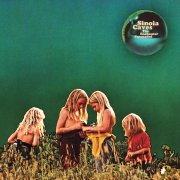
Sinoia Caves (named for a formation in Zimbabwe) are a Black Mountain side-project; effectively Jeremy Schmidt solo, in fact. The Enchanter Persuaded is no more or less an electronic album, at heart, although it utilises Floydian drones (spot the Echoes 'pings' in Sundown In The New Arcades) alongside the Tangsesque synths and yes, Schmidt is an analogue nut, claiming to own 'no modern gear at all', which is pretty hardcore, even by my standards. Track lengths vary wildly; two are under three minutes, while another two top the quarter hour, although all share an instrumental commonality. Mellotron on several tracks, with choirs on opener Dwarf Reaching The Arch Wonder, strings and choir on Through The Valley, full-on phased strings and a choir melody part on The Wicker Chair and choir stabs and strings on closer Evil Ball, although three of those are on short(er) tracks. All in all, then, a fine electronic album that avoids all the usual EM clichés while getting a load of real Mellotron in there. Result!
To my knowledge (and that of Discogs.com), 2014's Beyond the Black Rainbow (Original Soundtrack) is only the project's second release, posited as a soundtrack to an early '80s film that never actually existed. While still very much an electronic album, it's (unsurprisingly) far more 'soundtracky' than its predecessor, highlights including Elena's Sound-World, the Hammond-heavy Run Program: Sentionauts, 1983 - Main Theme and closer Sentionauts II, although the sixteen-minute 1966 - Let The New Age Of Enlightenment Begin slightly outstays its welcome. Schmidt's Mellotron turns up on a few tracks, with background strings on opener Forever Dilating Eye, upfront ones on Run Program: Sentionauts, heavily-echoed flutes on Arboria Tapes - Award Winning Gardens, while it's hard to tell what's going on in closer Sentionauts II; definite chordal strings, possible single-note choirs. It may be buried in the mix elsewhere, too: hard to say. All in all, another fine effort, enhanced by some decent Mellotron work.
See: Black Mountain
 |
7" (1970) ***½/TTT Hello Everyone Hiawatha Mini Ha Ha Love |
Current availability:
Mellotron used:
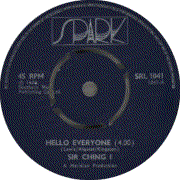
Sir Ching I (splendid name!) were a one-off, late-in-the-day British psych/pop outfit, probably consisting of session guys, whose Hello Everyone b/w Hiawatha Mini Ha Ha Love is a hidden gem from the period. You can actually hear the '60s becoming the '70s on the 'A', capturing a scene on the cusp of change, while the flip, while still upbeat, is a slower, more thoughtful effort.
Both sides of the single feature Southern Studios' MkII, with muted, chordal strings on the 'A', while the flip features some pretty radical playing, with the kind of pitchbends that only work on the precision-engineered MkII, not to mention some volume-pedalled strings, aided by the machine's weird, spring-assisted pedal. Both sides of this excellent single are now available on Grapefruit's Hello Everyone: Popsike Sparks From Denmark Street 1968-1970, giving you no excuse not to hear them.
 |
Sireguy & Blanc-Francard (1977, 31.49) **½/T |
|
| Sonne, Sonne! La Fille du Photographe Cinéma Rock pour Boire Aime-Moi Chaque Jour Docteur! Ça Fait un Bail Quand Tu Danses Avec Moi |
Liverpool Viens Faire un Tour dans les Nuages |
|
Current availability:
Mellotron used:
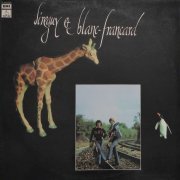
Drummer Alain Sireguy and bassist/vocalist/studio whizz Dominique Blanc-Francard made just the one album together, 1977's Sireguy & Blanc-Francard. Consisting largely of straight-down-the-line French-language pop/rock, better tracks include Rhodes ballad Cinéma and closer Viens Faire Un Tour Dans Les Nuages, although the ropey rock'n'roll of Rock Pour Boire and cheesy country of Aime-Moi Chaque Jour do themselves no favours at all.
Robbie Finkel plays Mellotron, with string swells on La Fille Du Photographe and background string parts on Aime-Moi Chaque Jour and Viens Faire Un Tour Dans Les Nuages, none to very much effect, frankly. Hard to find, but don't look too hard.
 |
Sister Cristina (2014, 46.04) **/½ |
|
| Try Fallin' Free Like a Virgin Somewhere Only We Know Blessed Be Your Name Fix You No One I Surrender |
True Colors Price Tag Perto, Longe ou Depois (Ordinary World) L'Amore Vincerà |
|
Current availability:
Chamberlin used:
Ursuline nun Sister Cristina Scuccia won The Voice of Italy in 2014, the local version of The Voice, of course, which, it turns out, began as a Dutch show. Sister Cristina (I think the chair on the sleeve's alluding to the show) gives the rest of the world a chance to hear her cover Madonna, Coldplay, Duran Duran and Keane, amongst others. No Einstürzende Neubauten, then? I'm disappointed. She's got a great voice (big surprise there), albeit in a modern pop vein, while the production and choice of material is exactly what you'd expect of a Voice winner, only... sung by a nun. Like A Virgin? Whatever.
Patrick Warren does his increasingly-rare Chamberlin thing, with a few seconds of identifiable strings on closer L'Amore Vincerà, but that's yer lot. Y'know, I wanted to be nicer about this, but it defeated me. Current pop nonsense.
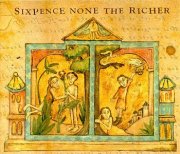 |
Sixpence None the Richer (1997, 47.51) **/½ |
|
| We Have Forgotten Anything The Waiting Room Kiss Me Easy to Ignore Puedo Escribir I Can't Catch You The Lines of My Earth |
Sister, Mother I Won't Stay Long Love Moving on |
|
 |
Christmas in Heaven (1996) ***/T[Sixpence None the Richer contribute]You're a Mean One, Mr. Grinch |
Current availability:
Mellotrons used:
Sixpence None the Richer (who got their name from a C.S. Lewis book about being a God-botherer, apparently. Yeah, another one) is said band's third album proper and, I have to say, a right load of wussy old crud it is, too. They don't help themselves in my book by being Christians - y'know, I don't bleat on to you about what I believe (or don't); do me the same courtesy. The first two tracks actually sound they could be a continuation of each other, they're that similar - same key, tempo, feel... I don't know how God-bothering this record actually is; I caught a lyrical reference to a 'burning bush', so the omens aren't good, but it's far from being the most offensive thing about it, beaten hollow by their general tediousness and Leigh Nash's irritating, whiny voice.
Mellotron flutes on Anything from Mellotron Player To The Christian Community, John Mark Painter, alongside real strings. Anyway, I'm highly amused to see their cover of The La's There She Goes on later copies of the album; I mean, haven't they read the fucking lyrics? Speaking of which, I was force-fed UK radio station Virgin Radio on a job I was on recently and was exceedingly amused to be played, all in one day, the Stranglers' Golden Brown, The Chilis' Under The Bridge and There She Goes. "Good morning and today is heroin chic day on Virgin Radio!" Fantastic. All they missed was Waiting For The Man.
So; do NOT buy this; it's shite. Y'know, these days, I seem to've lost what little tolerance I had for crud; I just can't be arsed any more. Why bother being nice? Call a spade a fucking shovel, then beat them to death with it. Shitehawks. Very little Mellotron, either (he says, vainly attempting to get back on course for a moment). I hope I never have to hear this band again. Ever.
See: Samples etc.
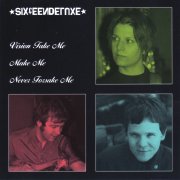 |
Vision Take Me Make Me Never Forsake Me (2000, 44.41) **½/T |
|
| To Find What's Waitin' For... Smithsonian Holding Tank Custom Cuts And Signature Sounds Thee Foundation The Kingfisher What's Happening?! ?! Slat Rubry The Falling Last Season |
Hazmatz Inside Job Red River Anger Management Society |
|
Current availability:
Mellotron used:
Austin, TX natives Sixteen Deluxe are usually described as 'alternative', which is a bit like saying a band play 'rock', in its lack of accuracy, which hasn't stopped me using it myself. 2000's Vision Take Me Make Me Never Forsake Me was their third and last album before their split the same year, before reforming a decade later, a bit of a formless Butthole Surfers-lite mess (they were originally signed to that outfit's drummer's label), sadly, its best material, Hazmatz and Inside Job, clustered near the end.
Guitarist Chris "Frenchie" Smith and Scott Palmer both play Mellotron, with cellos at the end of The Falling Last Season and nicely real-sounding strings and flutes on lengthyish closer Red River Anger Management Society, shifting from a background part to being full-on and in-yer-face by the end of the track.
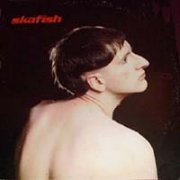 |
Skafish (1980, 35.01) ***½/TTT |
|
| Joan Fan Club Maybe One Time Obsessions of You We'll See a Psychiatrist Romantic Lessons Work Song Guardian Angel Disgracing the Family Name |
No Liberation Here Take it Out on You |
|
 |
Conversation & The Rejects (Disc 2) (1983/2023, 39.23) ***½/T½ |
|
| Let's Play Doctor You Invited Me Here Barbie Doll Dream House Single Monologue Executive Exhibitionist Home Invader We'll See (the Chicago Cubs Baseball Game) Five o'Clock Face Barbie Doll Dream House Double Monologue |
Beefcake Touch (live in France) Sign of the Cross (live from URGH) |
|
 |
Urgh! A Music War (1981) ***½/TT[Skafish contributes]Sign of the Cross |
Current availability:
Mellotrons used:
The frankly bizarre Jim Skafish (rhymes with crayfish) and cohorts burst out of Chicago in 1976, stunning (and frequently repelling) audiences wherever they played, while managing to pick up both critical acclaim and a growing fanbase of similarly alienated weirdos. It took them until 1980 to release their debut, Skafish, and a rather strange album it is, too, the nearest description I can find for it being 'symphonic new wave', which is an awful lot better than it sounds. There's considerable musical variety to be found amongst its grooves, with jerky and disturbing opener Joan Fan Club followed by the near-prog of Maybe One Time, with doowop pastiche, show tunes and up-to-the-minute noo wave all vying for space, usually all in the same song. Keyboardist Javier Cruz and Skafish himself almost makes the album single-(double-?) handedly, adding a sheen of professionalism to every track, with great piano and Clavinet work mixed with contemporary polysynth sounds and, of course, a Mellotron. Half the album is graced with its presence, with string parts on Obsessions Of You, Romantic Lessons and No Liberation Here, with weird, phased choirs on We'll See A Psychiatrist. However, the album's full-on Mellotron classic is Maybe One Time, with a near-as-dammit prog string part, probably emanating more from the band's theatrical background than its musical one.
Turns out there was a second Skafish album, 1983's Conversations. According to Jim, it was fatally emasculated by label boss Miles Copeland, who, after championing the band for years, apparently flipped out when he heard what they'd recorded, seemingly on the grounds of taste. The resulting release consisted of just three of the original recordings, the bulk of its tracks being largely bland new wave pop, at its best on one of the original recording survivors, the angular I Might Move in Next Door. Skafish spent almost twenty years working on the original recordings, Conversation & The Rejects finally appearing in 2023. That one track aside, you really don't need to hear the original album, but the second disc is a worthy successor to the band's debut, highlights including the trans-friendly Let's Play Doctor, Home Invader and the outrageous (for the time) Sign Of The Cross, one of two live tracks added to the end. Sign Of The Cross was originally released on IRS' Urgh! A Music War, from 1981, while Beefcake Touch was recorded at the same gig, although previously unreleased. Cruz adds Mellotron choirs to a handful of tracks, with an angular (that word again) part throughout Executive Exhibitionist, a few chords at the end of Home Invader and a part dipping in and out of We'll See (The Chicago Cubs Baseball Game), while both live tracks feature it, with pitchbends on Beefcake Touch and full-on, pseudo-religious choirs all over Sign Of The Cross.
Skafish has paid the price for being original, though, being now largely forgotten, sad to say, although I remember the fuss the British music press made of (or about) him at the time. Do yourself a favour; if quirky, original music sounds like it might just be your thing, luxuriate in these albums' eclecticism, not to mention their debut's excellent Mellotron work.
See: Urgh! A Music War
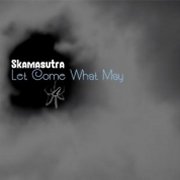 |
Let Come What May (2008, 37.45) ***½/TLet Come What MayKilling Time Run From My Mind Mural War Mother She's Mine Colorblind Rising Sun Pardon My Kicking Your Ass |
Current availability:
Mellotron used:
I'll be quite honest here and say I have little knowledge of the US ska-punk scene. I've heard the dullsville No Doubt (well, any band who could foist the blandola Gwen Stefani on the world...), but the rest of the scene remains a mystery to me. Anyway, the nice chaps from Skamasutra (great name) have sent me their debut album, Let Come What May, containing not only some real Mellotron, but a brief burst of ye olde Taurus pedals, too. So, wossit like? Well, nothing like Madness or The Specials, that's for sure. If you haven't heard this stuff before, imagine a ska outfit whose guitarist whacks the distortion on and goes for the full punk/metal riffing thing, usually for the chorus, while the rest of the band carry on as before, with plenty of brass filling in the gaps, in this case, alto/baritone sax and trombone. Lyrically, the band come from the 'life lesson' school; being messed about by unfaithful women (Killing Time, She's Mine), growing up (the fiery title track), war and racism (Mural War, Colorblind), with reasonable musical variety keeping things interesting.
Vocalist/trombonist Nick Gilbert plays keyboards on a couple of tracks, including Mellotron, with a few choir chords at the beginning of Run From My Mind and some more at the close of their 'prog epic', Rising Sun, along with those bass pedals, although the wobbly flute-ish sound at the beginning of the song is the credited Korg synth (model unknown). So; while you're not going to go out to buy this for its Mellotron content, if you have any interest in high-energy contemporary music with a bit of thought put into it, you could do an awful lot worse than Let Come What May. Nice one, chaps; let's hope you can keep the momentum up for your next effort.
 |
Bugs & Flowers (2003, 40.24) ***/T½ |
|
| Empty New Bedroom Stockholm Virginia is for Lovers Come By or Call Say Uncle Birthday Song Spring Ice Here Before |
Haul Me in I Returned to California |
|
Current availability:
Chamberlin used:
Skating Club seem to've been, effectively, Aubrey Anderson's project, whose second release, 2003's Bugs & Flowers, is an album of intimate songs, bordering ethereal in places. Better tracks include Stockholm, the sparse Birthday Song and Haul Me In, but you'll need a high tolerance for close-mic'd vocals and Anderson's highly personal lyrics to make much sense of this.
Matt Smith plays Q Division Studios' MusicMaster 600 Chamberlin, with a major string part on Spring Ice and vibes on Here Before, although the vibraphone-esque sound on closer I Returned To California is more likely to be a low-in-the-mix Rhodes.
 |
Insolubilia (2021, 55.33) ****½/TTT½ |
|
| Sudo Insolubilia I Tor Cia Insolubilia II Lo Stagno del Proverbio Akumu La Nona Onda Scogli 4 |
Insolubilia V Insolubilia IV Insolubilia III |
|
Current availability:
Mellotron used:
Ske are Yugen's Paolo "Ske" Botta's effective solo project, 2021's Insolubilia (recorded at no fewer than seventeen different studios) being their second release, following 2011's sample-using 1000 Autunni. Once again, Botta has produced a fantastically detailed, mostly instrumental album of semi-avant-prog, obvious pointers including Änglagård and many of the outfits from the '70s Italian progressive scene. Highlights? With albums of this sort, it's difficult to pick out individual peaks, although opener Sudo sets their stall out nicely, while Insolubilia II and the mostly acoustic Scogli 4 stand out from the pack.
Botta (presumably) plays one or more of Lars Fredrik Frøislie's M400s, the very detailed credits taking the guesswork out of this review, although I wouldn't be surprised if samples had also been used. Insolubilia I apparently features no fewer than five sounds, M300 strings, the 'Russian' choir, M300 cello, MKII piano and church organ, although only the choir is at all obvious. Insolubilia II strips it down to very audible church organ, flutes (under the track's real one) and M300 cello, with choppy, well-played Russian choir on Lo Stagno Del Proverbio, M300 strings on Akumu, quite distinct from the MkII/M400 ones, Russian choir, Skifotron (??!) and Chamberlin voices on La Nona Onda, boys' choir, solo voice and upfront M400 strings on Insolubilia V, regular strings on Insolubilia IV and flutes and strings on Insolubilia III. Enough Mellotron for you? Like all the best progressive rock, this is an album that will reward repeated plays. Recommended.
See: Samples etc. | Yugen
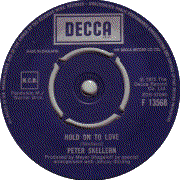 |
7" (1975) **½/T½ Hold on to Love Too Much, I'm in Love |
Current availability:
Mellotron used:
I met Peter Skellern a couple of times in the mid-'80s: he was one of two keyboard players in a pick-up band a well-connected friend of mine put together for a couple of gigs, the other being Gentle Giant's Kerry Minnear, who played my MiniMoog as I've never seen it played, before or since. Sadly, Skellern came across as a bit of a miserable bugger, although everyone else involved was really friendly; maybe he didn't really want to be there. Of course, he played Hold On To Love, also re-recording it for the band's four-song demo, presumably now that strange thing, a rarity of a rather uncollectable artist.
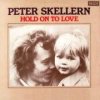 |
I've always been under the impression that it was also the title track of Skellern's album of the same name (right), but although that's technically correct, it turns out that the long-player's actually a compilation chucked out by Decca, the label he was leaving for Island. It seems Decca never quite knew what to do with Skellern, a man as happy writing comic songs as serious ones, even though his preferred oeuvre was material that sounded like it hailed from another era, which should've fitted in pretty well with the label's rather dated approach. The album contained tracks from his debut, 1972's She's a Lady and '74's ...Not Without a Friend (though nothing from Holding My Own, a jokey effort from later the same year), plus single-only tracks, not least both sides of his second and last chart-botherer from earlier that year.
Hold On To Love itself is a memorable, laid-back, Rhodes-driven piece that got to no. 14 in the UK in March '75, still very recognisable well over three decades later. I wasn't sure on an initial (re-)listen, but the track's high string line is definitely a Mellotron, ditto the part running right through the flip, Too Much, I'm In Love. Do you need to hear either of these tracks? Depends on how much you revere mid-'70s easy-listening pop, I suppose. The Mellotron is played and EQ'd to sound as much like real strings as possible (budgetary restrictions, no doubt), so we're not exactly talking 'lost Mellotron classic' here. Pleasant, but unremarkable.
See: Cliff Richard
 |
Allting Rullar (2015, 41.37) ***/T |
|
| Lazy Man Allting Rullar Percival Mr. D Groundhog Nås Brudmarsch Polska Efter August Nyholm Gangar Style |
Hippe Vindöga |
|
Current availability:
Mellotron used:
Sweden's Skenet have only released two albums to date, the second some years back, while their Facebook page hasn't been updated for a good while, giving the impression that the band has quietly gone the way of all things. Their debut, 2015's Allting Rullar, is the kind of album that puts the rock into folk/rock, at its best on the jangly title track, Percival and Groundhog, although little here strikes me as inessential.
David Svedmyr is credited with Mellotron (his MkVI) on closer Vindöga, adding strings and flutes to the track, while Nikolaj Busk plays them (presumably the same machine, not samples) on the title track.
 |
Blåblus (1972, 38.20) ***/T½ |
|
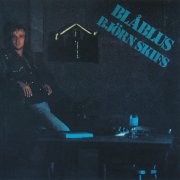
| Säj Vad Gör Du Med Mej? (Baby I'm a Want You) Blås i a-Dur Ge Varann' en Vänlig Hand (Ain't No Mountain High Enough) Är Vi Så Rädda för Varandra? (My World is Empty Without You) Du! (A Salty Dog) Blå, Blå Vindar (Solen Lyser Än på) Mitt Gamla Barnsdomshem (My Old Kentucky Home) |
Mitt Liv Blev Musik (Under My Thumb) Vispolska Från Rättvik Alltför Sent (It's Too Late) Längtar Efter Dej Om 10 År |
|
Current availability:
Mellotron used:
Björn Skifs seems to be your classic all-rounder: musician, songwriter, actor, screenwriter... He's represented Sweden at Eurovision twice, worked with most of Abba... 1972's Blåblus (Blue Swede, presumably a pun on blue suede) was his fourth solo album, a mixed bag with some genuine highlights, not least massed vocal piece Är Vi Så Rädda För Varandra? (My World Is Empty Without You) and the mournful Blå, Blå Vindar, while Du! is no more or less than Procol Harum's A Salty Dog, played pretty much as on the original. We'll draw a discreet veil over the likes of Ge Varann' En Vänlig Hand (Ain't No Mountain High Enough) and his pointless version of My Old Kentucky Home, (Solen Lyser Än På) Mitt Gamla Barnsdomshem.
Skifs plays Mellotron flute and string parts on Blå, Blå Vindar, while Bengt Palmers adds strings to Längtar Efter Dej, both to reasonable effect. No classic, then, but better than many similar.
 |
Fake Chemical State (2006, 35.54) **½/½ |
|
| Alone in My Room She's on Movin' Just Let the Sun in Purple Don't Need a Reason Nothing But Take on Me |
Fooling Yourself Falling for You |
|
Current availability:
Mellotron used:
Deborah Anne "Skin" Dyer, ex-Skunk Anansie, embarked on a solo career after the band split (they've now tentatively reformed), 2006's Fake Chemical State being her second (and latest, to date) release. It's an odd mixture of almost-punk and commercial hard rock, certainly more commercial than I believe Skunk Anansie ever were. The punkier tracks (opener Alone In My Room, She's On) work better than the poppy stuff (Purple, Don't Need A Reason) or the slushy ballads (Nothing But, closer Falling For You), but none of it's that great, frankly.
Linda Perry (4 Non Blondes, a million productions) plays credited Mellotron, with background strings on Nothing But. Overall, one to keep Ms Dyer's fans happy, but not something that's really going to excite the public at large, I fear. Hardly any Mellotron, either.
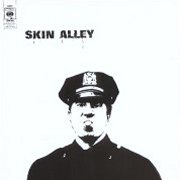 |
Skin Alley (1969, 41.55) ***½/T½Living in SinTell Me Mother Please Help Your Child Marsha Country Aire All Alone Night Time Concerto Grosso (Take Heed) (Going Down the) Highway |
Current availability:
Mellotron used:
Skin Alley's eponymous debut used to be available only as part of a 2-on-1 CD with its follow-up, To Pagham and Beyond, with a track missing, but has subsequently been issued in its own right. It's a reasonably good, jazzy progressive album that usually gets missed out when the roots of prog are discussed although, unlike its more-heralded contemporaries, it hasn't aged that well, to be honest. There's only two Mellotron tracks, played by Krzysztaf-Henryk Juskiewicz and Thomas Crimble; Tell Me has some upfront MkII strings and brass, while Night Time has some more background strings, but that would appear to be that.
It's rumoured that their fourth and last effort, Skin Tight, has some Mellotronic input, but not only does it not seem to be credited, but nothing's audible, either, so scrap that one. Bizarrely, this album and its predecessor, Two Quid Deal, were released in the States by Stax (!), who presumably sold next to no copies of either. So; Skin Alley: OK album, OK Mellotron, nothing special. Your choice.
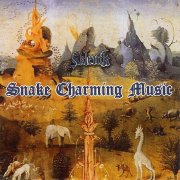 |
Snake Charming Music (2009, 40.15) ****/TTT |
|
| Intro Astral Ars Rapture Snake Charming Music No. 1 Outtro Castle Green Amongst Clouds Duhova Mačka |
Recluse Snake Charming Music No. 2 |
|
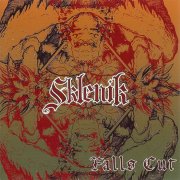 |
Falls Cut (2010, 48.17) ****/TTT½March of Falls CutNew Jerusalem Fairhope Suite Dance of the Crackle King Rydza Bryndza Weis Et. No. 15 Hallucinations for Ensemble Wills Creek |
Current availability:
Mellotrons used:
Sklenik (hothouse, or glasshouse, in Czech and associated languages) are a current US instrumental progressive trio, dedicated to the almost lost art of keeping it analog(ue); the pictures on their website show a Hammond C3 (not the more common-in-the-States B) topped with ARPs Odyssey and Axxe, a Farfisa and what looks like a 'poor man's Moog', a Realistic MG-1. What's more, guitarist Jamie (J.P.) Kožuško doubles on electric bassoon, which has to be the coolest 'unusual instrumental credit' I've seen in a while.
Their second album, 2009's Snake Charming Music, is an intriguing combination of synth-heavy progressive, more readily identifiable symphonic styles and even (very briefly) prog metal on Recluse, albeit more in a '70s way than a '90s one. Best tracks? Hard to say, although the ten-minute Astral Ars stands out on an initial listen. Keys man Andy Legler plays a borrowed M400, with bursts of choir towards the end of Astral Ars, strings and choir on Outtro, with a more major string part and more choirs on Castle Green, flutes and solo strings on Amongst Clouds and strings on Recluse to finish things off nicely.
Sklenik quickly followed up with 2010's Falls Cut, every bit as good as its predecessor; fast work by most bands' standards these days. Again, a mixture of progressive styles, the lengthy New Jerusalem coming across vaguely like an instrumental Uriah Heep, with a slightly medieval feel to some of the tracks. More Mellotron than before, with major choir use on opener March Of Falls Cut, strings in New Jersusalem's quiet section, heavily-reverbed flutes on Fairhope Suite, with strings and choirs later on, choirs on Weis Et. No. 15, little choir swells on Hallucinations For Ensemble and more choirs on closer Wills Creek.
Never mind the Mellotron, listen to the music! Sklenik are one of the best new progressive bands I've heard in a while and with their DIY ethos, there's no reason they can't go on producing music of this quality for as long as they'd like. Seemingly only available from their website (come on, lads, CD Baby!), these are both well worth hearing for a breath of fresh air in a foetid, overcrowded and under-talented progressive scene.
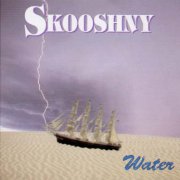 |
Water (2000, 39.28) ***/½ |
|
| Flawed Sad Summer Spring No for Yes Lullabye It's Your Advantage For Me Again Desert Rain Lost in Transit |
Kate's Green Phone The Water Song |
|
Current availability:
Chamberlin used:
Skooshny (apparently Russian for 'boring') are a psych/powerpop outfit with a fairly chequered history. It seems they formed in the early '70s, put out a couple of singles, split up in the early '80s and reformed a decade later, due to collector interest in their records. 2000's Water is their second subsequent album of all-new material, top tracks including opener Flawed, the punchy For Me Again, the spacey Desert Rain and melancholy closer The Water Song. However, as has been pointed out in other reviews, the album lacks consistency and, despite being far from overlong, could easily have lost a couple of lesser tracks.
Now, (further) confusion begins to seep into the band's story. Michael Penn recorded the band at his home studio at some indeterminate point, possibly in the early '90s. It sounds like it could be his Chamberlin on Dessert For Two, which can be found on both 1991's Skooshny (although that's supposed to be an album of their recordings from the '70s) and 2004's Zoloto compilation, but the jury's out. Although I'm sure references used to abound to Penn's appearance on Water, specifically closer The Water Song, they've since disappeared, but I think we're hearing his Chamby cellos on the track, audible towards the end.
See: Michael Penn
 |
Swimming Without Webbed Toes (2007, 47.32) **½/T |
|
| Crash Am I Avenge Revange Guilty I'm Not P.O.T.M. Ghost Stand My Ground |
Don't (Depend on Me) Dear Sister Maarion Tonight |
|
Current availability:
Mellotron used:
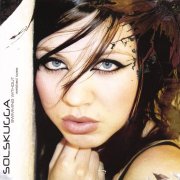
Sol Skugga (Sun Shadow) is Sol Vikström's nom-de-plume, her debut, 2007's Swimming Without Webbed Toes, being something of an electro-goth/rock effort, probably at its least tedious on P.O.T.M. and Dear Sister. I'm afraid this is an absolutely typical album of its type, with no outstanding features; I hate to be so harsh (what d'you mean, "No you don't"?), but when I'm presented with something this generic, I feel I'm left with no choice.
Staffan Österlind (who, amusingly, has played with the ludicrous Paul "Di'Anno" Andrews) became involved in the project, playing what sounds like genuine Mellotron strings on Dear Sister, although my ear's been fooled too many times for me to state that it's a 100% definite sighting. Really not the most exciting thing you'll hear this year, anyway.
 |
A Return to the Inner Experience (1994, 70.03) ***/T |
|
| Walla Walla Moving Like Water Gone Circus Church 2000 Light Years From Home When the Fear Stops Lay Down Your Head Rain |
Ocean Which Humanity is Broken Down Rosaleen Buss to Gate 23 Joey's Aria We Will Fall |
|
Current availability:
Mellotron used:
How to describe the Hendrix-paraphrasing Sky Cries Mary? Psychedelic dance indie? They seem to have elements of all those genres on '94's A Return to the Inner Experience, for better or worse, although ultimately, they become mired in the 'indie' part of the equation, at least to my ears, making a seventy-minute album a good half hour too long. It has its moments, not least the cut-up Buss To Gate 23 (buss??) and Velvets-esque closer We Will Fall, but it does all drag rather, leaving this listener twitching with boredom after a while.
Joseph E. Howard's Mellotron only obviously appears on a couple of tracks, although several others could include it buried in the mix, not least their 'more psych than the original' cover of the Stones' 2000 Light Years From Home. Of the definite use, there are a few string chords here and there on Ocean Which Humanity Is and some rather more adventurous stuff on Buss To Gate 23, with dissonant string and flute parts, although that would appear to be it.
See: Samples etc.
 |
Una Lux Una Sonas (2011, 32.35) ***½/TColony CollapseUna Lux Una Sonas Dead Star Valley |
Current availability:
Mellotron used:
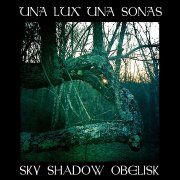
Sky Shadow Obelisk are Peter Scartabello's solo doom project, whose brief debut, 2011's Una Lux Una Sonas (from renowned sixteenth-century madrigal composer Luca Marenzio), is vastly more interesting than most of the genre's practitioners; Scartabello clearly listens to a great deal of music outside the genre in which he works, a 'trick' from which many of his competitors could learn. Saying that, Colony Collapse's opening vocal salvo is in full-on grunting mode, although he shifts into 'regular' singing during the lengthy quiet section, maintaining the style until the end of the piece, with only one more grunting part on the rest of the album. The heavy sections are suitably heavy, although far less clichéd than usual, while the slow parts, as you'd expect by now, display more imagination than the (black) mass of similar bands doing the rounds, not least the recorders on the title track.
David McNally plays his own Mellotron on Colony Collapse, with a suitably eerie string part, although the cello on the track is real. Overall, if you're allergic to grinding guitars at a funereal pace, you're probably best off avoiding Una Lux Una Sonas, but if you're partial to a bit of doom, this is a much better bet, at least to my ears, than many better-known artists. Worth a flutter.
See: Anechoic
 |
Great Civilizations (2011, 41.35) **/TTT |
|
| No One Can Tell Capsized Jackknifed Crisis Tightrope Situation Serrated Am I Second Nothing's Ever Easy Tracey Jayney Girl Great Civilizations |
All I Hear is Snow Sad Reasons |
|
Current availability:
 |
Mellotron used:
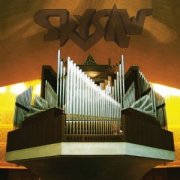
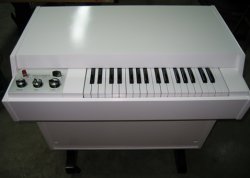
Skysaw (originally and ill-advisedly known as This) are drummer Jimmy Chamberlin's post-Smashing Pumpkins project, completed by guitarist Anthony Pirog and multi-instrumentalist Mike Reina. Their debut, 2011's Great Civilizations, makes a brave attempt to be a modern take on '60s orchestral pop combines with, er, the Pumpkins, but ends up as a bit of a sloppy mess, sadly. Opener No One Can Tell isn't too bad on its own, but when it's the first of ten similar efforts, its failings become all too obvious.
Reina plays his own M400, with choir and strings on No One Can Tell, strings on Am I Second, Nothing's Ever Easy and Tracey Jayney Girl, strings, flutes and cellos on All I Hear Is Snow and flutes and choir on closer Sad Reasons, making for an album rather more satisfying Mellotronically than musically. Is it worth it for the Mellotron? Despite relatively heavy use, I'm really not sure I can say it is. Very dull.
See: Smashing Pumpkins
 |
Skyward (1997, 62.29) **½/T½ |
|
| Such a Small Room Sundial If You Can Once of the Earth Por Aqui por Aqui Dunderhead Position Fatal Today (I Wish That I Could Tell) |
Lightswitch By the Wayside Pay to Pray All Raised the Same Searching for the Moon Music Taxi de l'Espace |
|
Current availability:
Mellotron used:
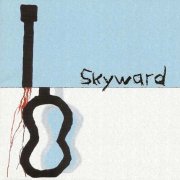
Bassist Joe "Skyward" Howard (a.k.a. Joe Bass) played with The Sky Cries Mary, The Posies and Sunny Day Real Estate before recording Skyward over a several-year period. Despite featuring members of SCM, The Posies, Gigolo Aunts and Fountains of Wayne, amongst others, the end result sounds little like any of them, being more psychedelic jazz than anything. Any highlights? Maybe the raucous Once Of The Earth and Lightswitch, but the album's far too long for its content and could easily lose a third of its length.
John Franklin plays Mellotron, with major string and flute parts on Dunderhead, flutes on Position Fatal and strings on By The Wayside. It sounds real, but who knows? Sadly, Skyward died in 2016, aged just fifty-seven.
 |
The Skywatchers Handbook (2010, 36.50/52.16) ***½/T½ (TTT) |
|
| Dead Flowers for Her Soul Baptist The Curious Village Rhythm of Ashes Serves Me Right The Lunar Tune Do You Want to Go to Space Young Man? Ever Felt the Sky? |
Small Lights Keep Watching the Sky [iTunes bonus tracks: When Up Falls Down The Sirens of Scopuli Licked By Love] |
|
 |
CDS (2011, 15.50) ***/TT½ Serves Me Right (single mix) The Fool and the Star Serves Me Right (serves me impeccably mix by Unit Delta +) Serves Me Right (remixed by Saint John Chadwick Junior School) |
Current availability:
Mellotrons used:
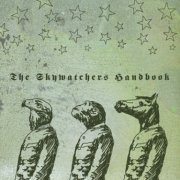
Skywatchers are an I Monster offshoot, comprising both members of that outfit, Dean Honer and Jarrod Gosling, plus Kevin Pearce, although they're listed in their eponymous album's booklet as 'Venik, Aden and Radjor'. Concentrating on the folk/psych/prog end of I Monster's thang, The Skywatchers Handbook is a very listenable release and while the parent band's lounge proclivities leak through (Rhythm Of Ashes, Small Lights), as do their 'dance' (whatever you take that to mean) ones (Ever Felt The Sky?), the album's overall feel is more Floyd than Chemical Brothers. Jarrod plays his M400 (ex-Pallas/Add N to (X)) to a couple of tracks, with strings and flutes on Do You Want To Go To Space Young Man? and strings, flutes and stabbed choir chords on Small Lights, plus no fewer than three iTunes bonus tracks, with choir, strings and inaudible flutes on the lengthy When Up Falls Down, strings on the rocking The Sirens Of Scopuli and strings and more inaudible flutes on Licked By Love.
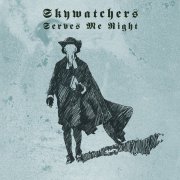
Serves Me Right, one of the dancier tracks from the album, turns up as a single early in 2011, embellished with a 'proper b-side and two remixes of the title tune, Gosling adding Mellotron vibes, strings and flutes to the haunted The Fool And The Star and strings, flutes and brass to Serves Me Right (Remixed By Saint John Chadwick Junior School), only slightly less odd than it sounds, adding another two worthy Mellotron tracks to the rapidly growing I Monster/Skywatchers collection. Incidentally, the beautiful series of paintings in the package are more than worthy of mention.
Overall, then, more an album for the psych/folk crowd than the lounge lizards, although I Monster's eclecticism still shines through, particularly on the bonus tracks (which is probably why they're...). Recommended.
See: I Monster | Regal Worm
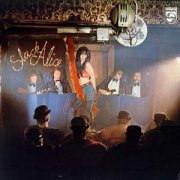 |
Slack Alice (1974, 39.42) ***/TT½Put Me on the RailroadGravelstone Cottage Mama's Gonna Boogie Slack Alice Mr. Sharpshooter Southsea Island Girl Motorcycle Dream Na-Ma-Nihcam (Soldier of the World) |
Current availability:
Mellotron used:
London-based Slack Alice, fronted by Alice Springs (her real name, surely?), were one of the many hopeful outfits who trawled their live show around the UK in the early '70s, when there was still money to be made on the gig circuit for relatively unknown bands. The bulk of their repertoire on Slack Alice stuck pretty closely to the R'n'B format - pub rock, frankly - with the occasional diversion into acoustic balladry (Gravelstone Cottage) or, bizarrely, pseudo-vaudeville (Slack Alice itself), the supposed tale of how the band got their name. Springs' vocal style veers between raucous (the rock'n'roll numbers) and really quite melodic (the quieter ones, funnily enough), when she actually stands out from the crowd slightly.
Keys man John Cook liked his Mellotron, assuming it wasn't a studio machine, adding some pretty major strings to Gravelstone Cottage and Na-Ma-Nihcam (Soldier Of The World) and an unexpected part on Slack Alice, which is far more than I'd expected. This is unlikely to ever get a CD issue, as its style is desperately out of fashion and pretty uncollectible, but if you get a chance to hear it, at least two tracks are worth it for the Mellotron.
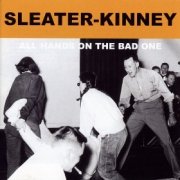 |
All Hands on the Bad One (2000, 36.58) **½/½ |
|
| The Ballad of a Ladyman Ironclad All Hands on the Bad One Youth Decay You're No Rock n'Roll Fun #1 Must Have The Professional Was it a Lie? |
Male Model Leave You Behind Milkshake n'Honey Pompeii The Swimmer |
|
Current availability:
Mellotron used:
Sleater-Kinney are your archetypal Riot Grrrl band: all-female, with a full-on feminist agenda, musically in the 'post-punk indie' camp. All Hands on the Bad One is their fifth album and, while I'm sure fans of the genre swoon over it, it leaves this reviewer a little cold. Their lyrical concerns are probably considered more important than the music used to deliver them (how often have we heard this before?), so anyone looking for a visceral musical thrill is probably best off looking elsewhere.
Sam Coomes plays Mellotron on Milkshake N'Honey, although it's buried under the other instrumentation for most of the song, only coming out to play with a sustained string chord at the end, sounding real enough, for what it's worth, which makes a nice change. So; Riot Grrrl indie. You'll either love it or hate it, I suspect, assuming you know anything about it at all. Next to no Mellotron, anyway, so don't even think about it on those grounds.