



|
|
|
|
||
|
|
Elliott Smith Ernie Smith Michael W Smith |
Smithereens Smitty Smog |
The Smoke Azalia Snail Snakefinger |
Sneakers Greg Sneddon Sigmund Snopek III |
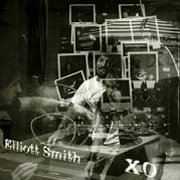 |
XO (1998, 44.46) ****½/T½ |
|
| Sweet Adeline Tomorrow Tomorrow Waltz #2 (XO) Baby Britain Pitseleh Independence Day Bled White Waltz #1 |
Amity Oh Well, Okay Bottle Up and Explode! A Question Mark Everybody Cares, Everybody Understands I Didn't Understand |
|
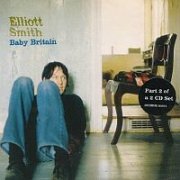 |
CDS (1999) ****/TTTT Baby Britain Some Song (alternate version) Bottle Up and Explode (early version) |
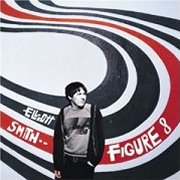 |
Figure 8 (2000, 52.15) ****/TT |
|
| Son of Sam Somebody That I Used to Know Junk Bond Trader Everything Reminds Me of Her Everything Means Nothing to Me LA In the Lost and Found (Honky Bach) Stupidity Tries |
Easy Way Out Wouldn't Mama Be Proud? Color Bars Happiness Pretty Mary K I Better Be Quiet Now Can't Make a Sound Bye |
|
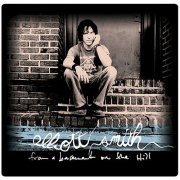 |
From a Basement on the Hill (2004, 57.54) ****/TT |
|
| Coast to Coast Let's Get Lost Pretty (Ugly Before) Don't Go Down Strung Out Again Fond Farewell King's Crossing Ostriches & Chirping |
Twilight A Passing Feeling Last Hour Shooting Star Memory Lane Little One A Distorted Reality is Now a Necessity to be Free |
|
Current availability:
Chamberlins used:
Elliott Smith sits firmly in the 'intelligent pop/singer-songwriter' category. I think XO was his first 'produced' album, as against independent label low-budget efforts (which is no criticism) and features a full band on some tracks. The material is absolutely excellent and in a more sympathetic musical climate Smith would undoubtedly be massive, but the current lowest common denominator approach means that he's unlikely to break through properly; why have quality when you can make do with quantity? He's obviously soaked up the best, most intelligent pop of the last 40 years (Beatles, Beach Boys, XTC et al.) and regurgitated what he's learnt in a highly pleasing fashion. The inimitable Jon Brion plays Chamberlin and vibes on a handful of tracks, with faint strings on Waltz #1 and more upfront ones on Everybody Cares, Everybody Understands, but the standout Chamby track is Bottle Up And Explode!, with a wonderful arranged string part. If anything, the demo version on the 'b-side' of the second issue of Baby Britain is even better, with Smith himself playing a cranky-sounding (presumably) Chamberlin.
Smith followed up two years later with Figure 8, another collection of marvellous songs and, while I suspect it's probably as good as its predecessor, it almost certainly needs a good few plays for its charms to become as apparent as those of XO. No-one's credited with Chamberlin this time round, so I assume it's Smith himself playing it (I presume it's Chamby, anyway). As far as I can hear, there's major strings on Everything Means Nothing To Me, cellos on Easy Way Out, brass and strings on Wouldn't Mama Be Proud? and brass under real strings on Can't Make A Sound (hear that key click!) and I'm still not sure about the solo mandolin part at the end of Happiness. Anyway, possibly a better Chamby album than its predecessor and the jury's still out on whether or not it's as good musically.
After his tragic suicide in late 2003, From a Basement on the Hill will probably be Smith's last album (er, DUH!), unless there are enough odds'n'sods in the vaults to make another one. Well, what can I say? More of the same, material easily as good as on its predecessor, why would you kill yourself if you were this talented? Stupid question, I know, but... Less Chamby than before and what there is seems to be buried deeper in the mix, with the glaring exception of the totally-in-yer-face repeating string part on Twilight. Distant flutes on Pretty (Ugly Before) and Don't Go Down and barely audible strings on Strung Out Again and that's your lot.
So; three fantastic albums by an immensely talented and already sorely-missed man, with some reasonable Chamberlin use to boot. And Billy Corgan's still alive? R.I.P, Elliott.
See: Goldenboy
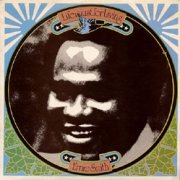 |
Life is Just for Living (1974, 43.47) ***/T½ |
|
| I Love You to Want Me For the Good Times You Poured Sugar on Me As Long as You Love Me I am I Said Pitta Patta Help Me Make it Through the Night God is Standing By |
Love Song Killing Me Softly Alvin Sunday Morning |
|
Current availability:
Mellotron used:
Ernie Smith was (and is) the owner of one of reggae's most mellifluous and soulful voices, heard to good effect on 1974's Life is Just for Living, oddly re-released later the same year with an amended running order as For the Good Times. It's a prime example of the soul/reggae crossover, Smith's rich-as-treacle voice making you wonder how he never achieved international popularity as he tackles familiar (Help Me Make It Through The Night, Killing Me Softly) and unfamiliar (most of the rest) material. This is as far from Bob Marley's revolutionary roots style as you could get, while remaining contemporary for its era, leaving it curiously undated today.
Leslie Butler (Jimmy Cliff, Derrick Harriott) plays synth and Mellotron, with strings on As Long As You Love Me and I Am I Said and what sounds like the machine's track selector lodged between strings and flutes on Love Song. Overall, a decent enough record of its type, with a handful of Mellotron tracks, its biggest 'plus' being Smith's voice.
 |
Stand (2006, 39.49) *½/½ |
|
| Cover Me Open Arms Come to the Cross How to Say Goodbye Be Lifted High Oh Lord, You're Beautiful Grace The Stand |
Come See In Silence Escape Your Love |
|
Current availability:
Mellotron/Chamberlin used:
Michael W Smith's been around since the early '80s, shifting between musical styles within the CCM 'genre', although it seems his default position is big, glossy Christian AOR. Smith followed 2004's inaudible Mellotron album Healing Rain with Stand, a more ballad-orientated record and thus less listenable; actually, there's nothing here to recommend this record to anyone except marshmallow-soft sentimental Christians, to the point where it almost makes parts of Healing Rain sound good. Almost.
The ever-reliable Patrick Warren plays Chamberlin on the album, with strings on Open Arms and flutes on the title track; there may be other parts scattered through the album, but these are the only ones to which I'm actually prepared to put my name. Christian AOR. Why? Michael W Smith is highly successful; he is also a strong Republican supporter. I rest my case, M'Lud. Not enough tape-replay here to make it worth hearing, even if you could do so without it costing you anything. It will cost you time and you won't get it back.
See: Samples etc.
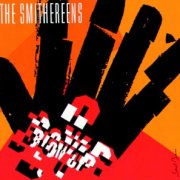 |
Blow Up (1991, 47.59) ***½/T |
|
| Top of the Pops Too Much Passion Tell Me When Did Things Go So Wrong Evening Dress Get a Hold of My Heart Indigo Blues Now and Then Girl in Room 12 |
Anywhere You Are Over and Over Again It's Alright If You Want the Sun to Shine |
|
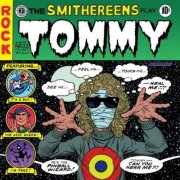 |
The Smithereens Play Tommy (2009, 41.22) ****/T½ |
|
| Overture It's a Boy Amazing Journey Sparks Eyesight to the Blind Christmas Acid Queen Pinball Wizard |
Go to the Mirror Tommy Can You Hear Me? Sensation I'm Free We're Not Gonna Take it/See Me Feel Me/Listening to You |
|
Current availability:
Mellotrons used:
The Smithereens apparently formed as far back as 1980, releasing their debut album the same year (didn't things move fast back then?). 1991's Blow Up is their sixth, mixing classic powerpop (Get A Hold Of My Heart) with an almost pre-grunge sensibility (Girl In Room 12) to rather good effect; a couple of tracks let the side down slightly, but the overall vibe is 'up'. Best track? Maybe joyous opener Top Of The Pops, Beatlesesque ballad Evening Dress or the rocking Girl In Room 12, but there's nothing here that'll upset the discerning listener. Michael Hamilton is credited with Mellotron, but given that all the album's strings seem to be real, the only obvious place you'll find it is the flutes on closer If You Want The Sun To Shine. 1991 was near the end of the Mellotron's 'wilderness years', so all power (pop) to The Smithereens for helping it regain some kind of prominence. Too early for easily-available samples, it's almost certainly real, too.
Eighteen years later... Fans complain that the band have almost given up writing new material, preferring to cover entire albums, starting with 2006's Meet the Smithereens, although if the results are as good as The Smithereens Play Tommy, who's complaining? It's basically a cut-down version of The Who's iconic double album, filtering out most of the lesser material (no Underture, though), played as if the band's lives depended on it. Maybe they did? Anyway, you'd have to be going it some to screw this up and The Smithereens don't. What they do, you'll be unsurprised to hear, is add a little Mellotron to the proceedings (from Kurt Reil), with beautifully upfront string parts on Overture and See Me, Feel Me, making you wonder why Pete Townshend was always so anti- the instrument.
So; one good original album, one great 'repro', for want of a better term, with more Mellotron on the latter than the former. As with Kiwis Ragnarok's Dark Side-with-Mellotron live medley, ...Play Tommy is a great way to hear a non-Mellotron band as they might have sounded with one. Buy.
See: Pat DiNizio
 |
Like a Child (2003, 39.16) ***½/T |
|
| Spice Bag My Oscillating Baby Like a Child Buddha Suit Cellblock With Horn Babes in Toyland True Love in Toyland Crucifix |
Lie of the Mind I'm a Kept Man |
|
Current availability:
Mellotron used:
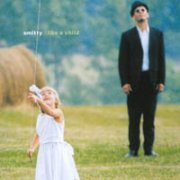
NYC acoustic bluesman Steve "Smitty" Smithie's Like a Child is an intriguing album, going way beyond the usual self-imposed boundaries of the genre. Employing, amongst other instrumentalists, a trumpeter and a cellist and giving them what sounds like free rein brings a touch of jazz to the proceedings on a few tracks, although my personal favourites are the slightly more straightforward tracks, notably opener Spice Bag and Buddha Suit.
Pat Daugherty plays clearly genuine Mellotron, with flutes all over Spice Bag and I mean all over, with some of the wildest, choppiest playing I've heard in years. Although it would be difficult to classify this album as anything other than instrumental guitar blues, it refuses to accept those limitations. Well worth hearing.
 |
Wild Love (1995, 35.12) ***½/T½ |
|
| Bathysphere Wild Love Sweet Smog Children Bathroom Floor The Emperor Limited Capacity It's Rough Sleepy Joe |
The Candle Be Hit Prince Alone in the Studio Goldfish Bowl |
|
Current availability:
Chamberlin used:
Smog are Bill Callahan's solo project; he's even been known to use the name himself. Starting as a low-fi almost Jandek soundalike, he's slowly shifted towards a more 'professional' sound, while keeping his unusual linear song structures and deadpan delivery. 1995's Wild Love is his fourth album 'proper', excluding four early cassette releases, still in his 'sparse' period, by the sound of it. It's difficult to pinpoint highlights when Callahan goes out of his way to sound almost unmusical; it's a valid approach and I'd expect to be hauled across the coals for saying this by his fans, but it's not an easy listen for ears attuned to slightly more melodic songwriting. Lyrically, there appears to be a self-loathing component, notably on Be Hit, but this isn't an album by someone at ease with himself. But then, how many genuine artists are?
Ian O'Hey plays Chamberlin, with a near-dissonant string part on Candles and a more 'standard' part running right through the lengthy Prince Alone In The Studio, accounting for the bulk of the album's rating. So; a difficult listen, but one that I would imagine pays off with repetition. I'm not sure if I'll ever really get it, but many people have and you may, too. One excellent Chamby track, for what it's worth.
 |
High in a Room: The Smoke Anthology [Disc 2] (2002, recorded 1965-75, 68.14) ***/½ |
||
| Playing With Magic Like a Good Man Should Bringing it All Back Home Time to Go #1 The Man With One Leg Old Feet, New Socks Poor Little Frogs Sweet Wilfred - a Rodent of Note |
Blown Away Ride Ride Ride (Dick Turpin) Guy Fawkes Jack is Back Sugar Man That's What I Want Time to Go #2 Holiday Farm |
Ring Me Shagalagalu Gimme Good Loving My Lullaby Looking High Lady My Friend Jack (1975 remake) |
|
Current availability:
Mellotron used:
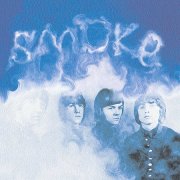
From Yorkshire, The Smoke began as a typical beat-era group, shifting into psychedelia as the decade progressed. They shot themselves through their collective feet big style (while simultaneously achieving immortality amongst psych fans) with their single My Friend Jack ("My friend Jack eats sugar lumps..."), instantly banned by the BBC (frankly, I'm amazed they noticed), effectively banishing the band to continental Europe; their sole album, It's Smoke Time (hmmm...) only gained a release in Germany, while most of their singles from the first half of the '70s were German or French issues only.
2002's two-disc High in a Room: The Smoke Anthology, while not quite a 'complete Smoke', opens with both sides of their first pre-Smoke single as The Shots, includes all of It's Smoke Time, all but two single sides, plus various presumably previously-unreleased tracks. The discs are divided into '60s and '70s recordings, the bulk of the former being beat-into-psych material, including two versions of My Friend Jack and the rest of the band's 7" output of the period. The latter sees the band trying on various early '70s styles for size, from the glam rock of '72's Sugar Man and '74's ridiculous Shagalagalu and My Lullaby through the proto-hard rock of Playing With Magic (complete with Leslied vocal) and Like A Good Man Should, boogie (Bringing It All Back Home), country rock (Time To Go #1), the idiotic music-hall of The Man With One Leg and Poor Little Frogs, not to mention the truly bizarre Sweet Wilfred - A Rodent Of Note, a tale of a homosexual rat (!), closing with a bizarre cross-genre glam rock 1975 take on My Friend Jack. Incidentally, at least two tracks here highlight the rather unpleasant views prevalent at the time, with Sweet Wilfred's mild homophobia and the nasty sexism of Old Feet, New Socks; all together now, "What's wrong with being sexy?"
Guitarist Mal Luker (?) adds Mellotron to an early '70s track, Blown Away, with string and brass parts, although, despite a couple of '60s tracks featuring odd keyboard sounds, that would appear to be your lot. So; do you actually want to hear this? Fans of the aforementioned mod/beat/psych crossover period will lap the first disc up, but I'm not at all sure at whom, exactly, the second disc is aimed; completists, presumably. Anyway, half a good set, with one decent Mellotron track. Your choice.
 |
Cooling System (1998, 40.35) ***/TTT |
|
| The Announcement How Sublyme the Tyme Traffic Ale Next Please Who Razed The Spy? Alien Ease Lite Crate The 2nd Announcement |
Soul Clap Layton Hollow Purr in a Gyre Morrow Bay Bathing in Space It Grows on You |
|
 |
Soft Bloom (1999, 56.05) ***/TT |
|
| Purr in a Gyre Layton Hollow Morrow Bay Broken Toy Announcement 1 Who Razed the Spy? Alien Ease A Low Coast Move Alan Sparhawk Announcement |
Bathing in Space How Sublyme the Tyme It Grows on You Soul Clap Saviour Lite Crate Eviction Space Enthusiasts |
|
 |
Avec Amour (2006, 51.36) ***/TT |
|
| Honeysuckle Alcazar Scenescape Luxury Road I Praise You Casuarina Trees Sylvan Echoes Late for the Life |
Mint Stallion Disintegration Untitled |
|
Current availability:
Mellotrons used:
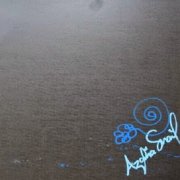
At the risk of simply repeating the brief 'bio' of Azalia Snail to be found on loads of websites, she's an avant-garde musician who was an early low-fi innovator in the early '90s, having released a series of albums from then until now. 1998's Cooling System seems to be a semi-official release (it isn't listed on her site's discography), with maybe as few as 99 CDs (or CD-Rs?) having been produced. There's a Sundial connection; mainman Gary Ramon appears to be involved somewhere down the line. It's a strange effort, with musical links to folk, indie, even prog in places, probably worth hearing for those who like a little experimentation in their diet. Snail and Alan Sparhawk both play Mellotron, with vibes and what sounds like solo trumpet on Traffic Ale, more trumpet (and flutes?) on Alien Ease, while Sparhawk adds cellos to Layton Hollow, although he's credited on Purr In A Gyre and, despite a credit on The 2nd Announcement, it's Mellotronically bereft.
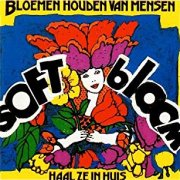
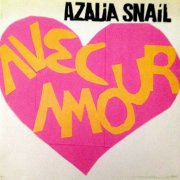
The following year's Soft Bloom seems to be a reworked Cooling System, some of its contents actually being the same recordings, losing a couple of tracks, but adding several more. The two obvious Mellotron tracks, Layton Hollow and Alien Ease, are seemingly identical to their earlier versions. I haven't heard 2001's reputedly Mellotronic Brazen Arrows, but 2006's Avec Amour is far more song-based than before (let's face it, it couldn't be a lot less), highlights including opener Honeysuckle, Mint Stallion and the mournful Disintegration. Gary Ramon on Mellotron this time round, with upfront strings on Honeysuckle, heavily-reverbed cellos on Luxury Road and a strange, upfront string part on Sylvan Echoes' chorus.
 |
Manual of Errors (1982, 38.18) ***/TYeti: What Are You?Beatnik Party The Garden of Earthly Delights You Sliced Up My Wife I Followed George's Dream Bring Back Reality Shining Faces ("I am Nino") Eva's Warning Private Universe/The Life on Nebulov |
Current availability:
Mellotron used:
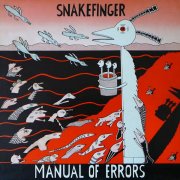
It comes as quite a surprise to discover that the late Phil "Snakefinger" Lithman was a) British and b) at heart, a bluesman, since he's chiefly known for his collaborations with San Franciscans The Residents. Oh and c) was a core member of Chilli Willi & the Red Hot Peppers, during a UK hiatus between two periods of Transatlantic living. 1982's Manual of Errors was his third solo release, much of it sounding like an unearthly cross between twisted blues and The Residents, funnily enough. Stylistically, opener Yeti: What Are You? could be a refugee from King Crimson's contemporaneous work, Beatnik Party is a warped jazz/blues, You Sliced Up My Wife could be Talking Heads, I Followed George's Dream is fractured, post-punk funk... No two tracks really sound like each other, which is probably pretty much what you'd expect from anyone that Ralph Records' finest found eclectic enough to be asked to play on their records.
Eric Drew Feldman, presumably fresh out of Captain Beefheart's band, plays keys, clearly including (his?) Mellotron, with background strings on Yeti: What Are You? and stabby flutes on closer Private Universe/The Life On Nebulov, although it's hardly a defining feature of the album. Is this worth hearing? If a combination of the above influences sounds like your bag, then quite certainly; his early death has left Snakefinger's career in the shadows for too long.
See: Chilli Willi & the Red Hot Peppers | Captain Beefheart
 |
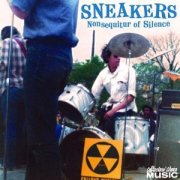 |
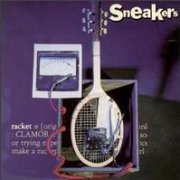
Racket [a.k.a. Nonsequitur of Silence] (1992/2006, |
||
| Mark Peril Theme S'il Vous Plait Some Kinda Fool Story of the Girl Stuck on You No Wonder Quelle Folie |
What I Dig The Perfect Stranger I Will Understand Be My Ambulance Decline and Fall Ruby On the Brink |
(Love's Like a) Cuban Crisis Condition Red Nonsequitur (of Silence) Driving B & G Pie Commercial |
||
Current availability:
Chamberlin used:
Sneakers were an ahead-of-their-time late '70s powerpop act from North Carolina, who only actually released a couple of EPs in their short lifetime and are chiefly remembered now for being both Chris Stamey's (DB's) and Mitch Easter's first proper band. Given that pair's considerably higher public profile in the early '90s, it apparently seemed like a good time to release Racket, containing most (why not all?) of their EP tracks and some unreleased stuff, alongside new (but sonically authentic) recordings of previously-unrecorded material. The end result is a wonderful collection of Big Star-esque melodic gems, highlights including S'il Vous Plait, Some Kinda Fool, The Perfect Stranger, Ruby and (Love's Like A) Cuban Crisis, amongst many others. Incidentally, spot the Blue Öyster Cult reference (This Ain't The Summer Of Love, for what it's worth) that opens stuck On You.
A band like this would have been enormously unlikely to use something as arcane as a Chamberlin in the late '70s, but tastes change, so Stamey played one (presumably Easter's) on a few of the new recordings, with strings on Some Kinda Fool and No Wonder, although it's hardly the heaviest use you'll ever hear. The set was reissued in 2006 as Nonsequitur of Silence, completely resequenced (although still nothing to do with original tracklistings), adding a recent remix (a real one, not some dance abomination) and an early demo, which is probably the version to go for. Next to no Chamby, then, but that's hardly the reason you'll buy this, anyway.
 |
Mind Stroll (1975, 31.00) ***/T½Mind StrollWinter Take it Slow and Easy A Spell of Destruction Minuet in E Concerto for Two Handed Plectrum Madman |
Current availability:
Mellotron used:
Decent biographical information on Greg Sneddon is hard to come by; suffice to say that he's still performing today, thirty years after the release of what I presume was his debut album, Mind Stroll. A keyboard player of some repute, Sneddon used a handful of other musicians on the album (not least a singer), playing multi-keys himself, although I'm afraid to say the end result's a little anodyne; the composition has its moments, but overall has far too much of a 'soft-rock' vibe about it. Full-on symph this is not. The two longer compositions, the title track and Madman are probably the best, but there's something lacking in this album; it doesn't even touch Aussie prog masters such as Sebastian Hardie or Aleph.
Ignore online references such as 'lots of Mellotron' with regard to this record; only two tracks I can hear, with polyphonic flutes on Winter and orchestrally-inclined strings on Take It Slow And Easy, which doth not a Mellotron album make. This now seems to be available on some dodgy far-eastern bootleg CD, but I really wouldn't pay over the odds for it, if I were you. Amusingly, after searching for it in three major Australian cities, I finally found a copy for A$15.00 in almost the last shop I went into in Perth which we'd almost overlooked, although I've since seen a copy going online for A$100. Possibly pay the former; do not pay the latter.
 |
 |
Who's Afraid of Virginia Woolf? [a.k.a. Virginia Woolf] |
|
| Prelude El Ciudad (the City) Part 1 El Ciudad (the City) Part 2 Orange Blue Elizabeth Soothsayer's Dove Virginia Woolf |
Song of a Nation Epilogue [CD adds: Lifencave Book Two I am the Moon Schemamphorus Culen Calleen Lady Face Orange/Blue] |
||
|
|
||||||||
Current availability:
Mellotrons used:
 |
|
| photo: Mike Van Blarcom | |
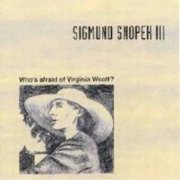
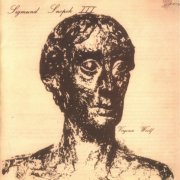
Hailing from Milwaukee, Sigmund Snopek III first came to prominence leading that city's The Bloomsbury People before striking out on his own; his first solo album, 1972's Who's Afraid of Virginia Woolf? (from the Edward Albee play), was technically the last Bloomsbury People release, although it ended up with his name on the sleeve. Musically, it seems to have more in common with music of the '40s - jazz, swing and musicals - than anything from the rock'n'roll era, complete with highly complex vocal arrangements, pseudo-classical compositional structures and fiery playing from all concerned. Is it any good? Matter of opinion, I suppose; it's extremely accomplished, but whether or not it's a pleasurable listening experience has to be down to the individual.
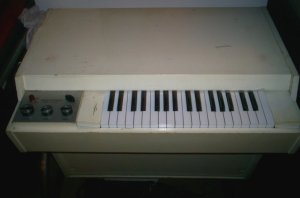
The original album has no Mellotronic input, but Gear Fab's 2000 reissue (as just Virginia Woolf) adds two lengthy tracks, one of which, the highly experimental four-part Lifencave Book Two, features Snopek on a ridiculously high-speed choppy Mellotron string part, underlaid by cellos and followed by a complex flute part (left channel) with more strings (right) on Schemamphorus and pitchbent strings on Culen Calleen. The second bonus track, a re-recorded Orange/Blue from the original album, was recorded in 1987, so expecting any Mellotron is probably a little foolhardy. This is, at least, now easily available, should you wish to give it a go, although I can't really recommend it on the Mellotron front, despite its unusual use.
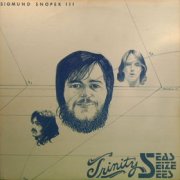
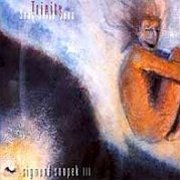
1974's Trinity Seas Seize Sees (or Trinity Seaseizesees, depending on taste and to whom you're speaking) was, in its original incarnation, a single album, self-released in the Milwaukee area and now very hard to find. Snopek never let go of his original concept, however, starting work on completing it in 1996, the two-disc end result appearing in 2000 (newly-recorded tracks, from Part XVIII, italicised above). Without ditching its predecessor's pre-rock'n'roll feel, Trinity is more of a musical play than a 'concept album' in its more commonly-used sense, complete with narration and some ridiculously complex music, composed in a bafflingly huge variety of styles. But does it, y'know, rock?. No, not really, but then, that's hardly the point. The concept itself seems to have something to do with alien visitation, so I wouldn't expend too much brain-power trying to decipher it, while the music flits between musical theatre, jazz (several varieties), pop (ditto), avant-garde and even a little bit of good ol' progressive rock here and there. But is it actually any good? Hmmm. Probably depends on your tolerance for sheer oddness; I find myself incapable of deciding whether or not the full, two-hour version actually has any artistic merit or not, ending up wussing out horribly by saying 'probably'. Or is that 'possibly'? So, does it have any 'best tracks'? Oddly enough, the better material seems to be clustered towards the end of the new version, or is it just that I've become slightly more accustomed to Snopek's style after a near-two-hour listen? Dunno, but Act III, Parts III, Square of Air - Airaireerreere and IV, The Twelve Keys, are very listenable.
Snopek's Mellotron is hardly overused here; to my surprise, it's also on some of the newly-recorded material, but then, I suppose he recorded it as late as 1995 (on The Violent Femmes' Rock!!!!!). On the original album, we get a background string accompaniment on Part V, Trinity Invitation, complete with radical pitchbend, chordal string and flute parts on VIII, Rhyme Well and strings on IX, Interstellar Flight and XV, Bubble Man Blues, although the flute duet on XVII, Star Of Seas, sounds more like Snopek overdubbing himself than flute and Mellotron. As for the new recordings, there are flutes and strings on XXI, Infinite Song Word, what sounds like cellos and flutes on XXV, Colors And Confusion, obvious strings on XXVI, Hypnotic Eye, chordal flutes on XXVII, Flight Of The Frees, more flutes on Act III, Part IV, The Twelve Keys and flutes and strings on Part IX, The SandKing, making for rather more use than I'd expected, particularly on the newer tracks.
So; to Snopek or not to Snopek? To be brutally honest, I haven't been able to get into either of these albums, despite their gleeful refusal to fit into any obvious category, but perhaps you can? Both have their Mellotronic moments, but as a non-defining feature, I wouldn't go too far out of your way on those grounds.
See: Jim Spencer | Violent Femmes