




|
|
|
|
||
|
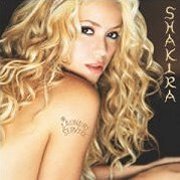 |
Laundry Service (2001, 49.20) ***/½ |
|
| Objection (Tango) Underneath Your Clothes Whenever, Wherever Rules The One Ready for the Good Times Fool Te Dejo Madrid |
Poem to a Horse Que Me Quedes Tu Eyes Like Yours Suerte Te Aviso, Te Anuncio (Tango) |
|
Current availability:
Mellotron used:
Laundry Service is by far and away Colombian superstar Shakira Ripoll's best-selling album, at least to date. I have to admit, I was expecting a typical American light, fluffy pop record, so I was pleasantly surprised to be presented with a bright'n'breezy, Latin-flavoured pop/rock album (I was unaware of Shakira's nationality, I'm ashamed to say). No, this isn't exactly going to be a regular fixture on my stereo, but it's so nice to listen to a mainstream album and not have my beleaguered ears assaulted by lowest common denominator crud and to know that the young lady in question has written and produced the album herself. She sets out her stall from the off, with the Latin intro to Objection (Tango) and even though the songwriting quality fluctuates (Te Dejo Madrid), I have to give this the thumbs-up simply for not offending me.
Keyboards are played by Lester Mendez (Nelly Furtado), so I presume it's him on Mellotron flutes on The One. There may be some background strings on one other track, but it's difficult to tell, so it stays unhighlighted. Y'know, I'm not even sure where I found out there was Mellotron (or is it Chamberlin?) on this album; there's no credit in the booklet and I can't find any 'Net reference. So; not one for you progheads (you mean you're even READING this?), but rather better than expected. Minimal Mellotron, though.
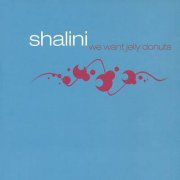 |
We Want Jelly Donuts (2000, 32.12) ***/T½ |
|
| Telepathic World Get Free Creepy Emily Pandora at Sea Emotion Bomb This is Telluride Conviction Overturned Desperate for Dawn |
Around the Eyes Destination Anywhere Else |
|
Current availability:
Chamberlin used:
After playing in Kissyfish, then Vinyl Devotion from the late '80s to the turn of the millennium, Shalini Chatterjee kicked off her solo career in '99. She released her debut, We Want Jelly Donuts, in 2000, sitting at the 'rock' end of powerpop, highlights including jangly opener Telepathic World, the rocking Creepy Emily, Desperate For Dawn and closer Destination Anywhere Else, complete with its brief burst of Thin Lizzy harmony guitars.
No fewer than three Chamberlin players are credited: producer Mitch Easter, Eric Marshall and Shalini herself, with faint flutes and strings on Telepathic World and strings on Emotion Bomb, Conviction Overturned and Desperate For Dawn. Classic? No. Perfectly good album of its type? Yes, almost scraping that extra half star.
 |
Kick it Like a Wicked Bad Habit (2021, 16.33) ***½/TSway Little PlayerFuneral Home Mint Stay Skipping Records Saturday in the Park |
Current availability:
Chamberlin used:
Boston's Shang Hi Los utilise a little-heard-these-days male/female vocal approach, Dan Kopko and Jen D'Angora on joint vocal/guitar duties. 2021's Kick it Like a Wicked Bad Habit EP (download and CD-R) is their first release, a combination of '60s girl group sounds, powerpop and new wave moves, possibly at its best on opener Sway Little Player, reminiscent of Mink DeVille's classic Spanish Stroll and Skipping Records.
Ed Valauskas plays Q Division Studios' MusicMaster 600 Chamberlin on Stay, with a chordal string part shifting in and out of the mix. The band released their debut long-player in '23, Aces Eights & Heartbreaks, with a Mellotron credit on one song, but, after a quick visit to Bandcamp, I'm unconvinced.
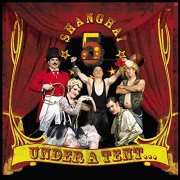 |
Under a Tent... Under the Full Moon (2005, 42.41) ***/T |
|
| Your Drama Just What I Needed Golden Sound Dead Man in a Motel Room Better on Fire Truckstop Wheel of Fortune Circus Polka |
American Nothing Love is a Racket Under a Tent |
|
Current availability:
Mellotron used:
To quote Allmusic's review, Shanghai 5's Under a Tent... Under the Full Moon is, fittingly enough, like a 'tiny circus', throwing together unlikely bedmates such as pre-psych '60s pop, '40s cabaret, garage rock, generic indie and reggae, the last-named on a surprisingly good take on The Cars' deathless Just What I Needed. But is it any good? It's certainly adventurous, but the band cover so many bases that potential listeners will need to have wide-ranging tastes.
An unknown musician (credits seem to be unavailable) plays what sounds like genuine, rather wobbly Mellotron flutes on Truckstop, although the volume-pedalled strings on Love Is A Racket are presumably something else. I can't find any references to any other Shanghai 5 albums, so this must be their sole legacy. An unusual album, but I've heard a lot worse.
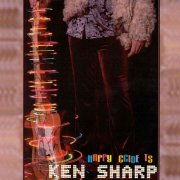 |
Happy Accidents (2000, 42.22) ***½/T |
|
| Beautiful See Through My Eyes Mr. Sun Wrecking Ball Happy Accidents Brand New Day Unconditionally Tea and Sympathy |
Floating on a Cornflake You Said You'd Love Me Room for Two Girl Don't Tell Me You Ain't Foolin' |
|
Current availability:
Mellotron used:
Philadelphian music journo Ken Sharp recorded his debut, 1301 Highland Avenue, after writing a seminal work on The Raspberries, 2000's Happy Accidents being its slightly belated follow-up. Unsurprisingly, it's a powerpop album, highlights including Mr. Sun, the gorgeous Unconditionally and Room For Two, with no obvious duffers, although a handful of tracks feel like they're coasting in places.
Someone (probably Sharp himself) plays major, clearly genuine Mellotron flute parts on Wrecking Ball and the title track, the latter seemingly no more than under a minute of the former played backwards. While not a genre classic, this is still a fine release, worthy of powerpop fans' attention.
See: Samples etc.
 |
 |
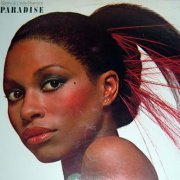
Paradise (1975, 39.38) ***/TT½ApolloEnd of the Rainbow Miss Doris 1953 Blue Boogie Children Peaceful Gary's Step |
Current availability:
Mellotron used:
Stunt jazz guitarist Warren Harding "Sonny" Sharrock had a chequered career, dropping out of music entirely at one point, despite having worked with Miles Davis, amongst other luminaries. 1975's Paradise was one of the few times he recorded with his then wife, Linda (they divorced three years later), an album of which he went on to express embarrassment, probably due to Linda's er, 'eccentric' vocal contributions, which do their level best to undermine hubby's hard work. It's best described as a funk/jazz crossover record, years before the horrible jazz-funk scene of the '80s and totally different in character, the jazz part taking the lead on most tracks, although opener Apollo is an excellent, Clavinet-led funk workout.
Kenny Armstrong plays Mellotron, with strings all over opener Apollo and Miss Doris and strings and thick, meaty cellos on End Of The Rainbow. This might've got another half star were it not for Mrs Sharrock's warblings; her close-mic'd 'vocal' gyrations on Apollo really have to be heard to be believed. Yup, it's experimental, but how often do experiments fail? Often. Anyway, this is approximately half good, with some decent Mellotron work on three tracks; Sonny died in 1994, making sure he couldn't object to Water Music's reissue of his work.
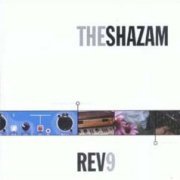 |
Rev 9 (2000, 27.37) ***½/TTOn the AirwavesWood and Silver Okay Periscope Month o'Moons Take Me Revolution 9 |
Current availability:
Mellotron used:
The Shazam, presumably named for either the Move album or the cheeso US late '70s superhero TV show, play an appealing mixture of powerpop and the music made at the point where beat became psych. 2000's mini-album Rev 9 seems to be their fifth release, after four full-length albums; possibly because of its under-half-hour length, the band don't put a foot wrong, with material as strong as On The Airwaves or Okay making this a must for powerpop fans. Well, anyone fookin' cocky enough to title a track Revolution 9 can't be all bad... It's not actually a cover of The Beatles iconic cut-up, but incorporates elements of that piece's approach into its six-minute length.
Brad Jones plays Mellotron, with flutes and strings on Wood And Silver, alongside what sounds like real violins and cellos, plus strings on Take Me and distant choirs on Revolution 9, which is rather more than I expected, I have to say. So; an all-round good listen, with just enough Mellotron to keep tape-replay fans happy. Worth the effort.
 |
Where Have My Countrymen Gone (2001, 41.37) **/T |
|
| Countrymen Ostrich Wanting is Wasted Antidote Sideways Every Year Walking Dead (Who Speak) Spirits |
Monarchs Some Kind of Home Vanishing Act |
|
Current availability:
Mellotron used:
Boston's The Sheila Divine are named for various things, not least the Aussie term 'sheila' (which I always thought simply referred to women, but which apparently has homophobic connotations. Australians? Surely not?) and an old acquaintance of the band, one Sheila Devine. They play a rather unexciting form of 'transcendent' post-rock/indie on their second album, 2001's Where Have My Countrymen Gone, at its least unacceptable on Some Kind Of Home.
Peter Linnane plays Mellotron flutes (presumably the Zippah studio machine) on closer Vanishing Act and, almost subliminally, on Monarchs. This was reissued on US label ORG in 2022, but I can't honestly recommend a purchase. Listen to Vanishing Act on YouTube if you must.
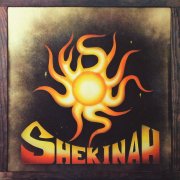 |
Shekinah (1982, 38.22) ***½/TTTWho am I?Christ, Lord, Messiah Let Me Want You I am Come Nigh Blessed Be Jesus' Eyes More Like You Let Me in Your Light All Things |
Current availability:
Chamberlin used:
Shekinah (nothing to do with the Christian band of the same name who released an album a few years earlier) were a Christian duo who... So what does shekinah mean, anyway? (In Jewish and Christian theology) 'the glory of the divine presence, conventionally represented as light or interpreted symbolically'. Er, wot? And you thought the holy trinity made no sense? Anyway, their eponymous (lone?) 1982 release would, were it not for the lyrics, gain a clear four stars for its quiet beauty, highlights including the seven-minute Christ, Lord, Messiah, the acoustic-and-vocal Let Me Want You and closer All Things, although Let Me In Your Light cuts Zeppelin's That's The Way a little too close.
Although the rear sleeve has no credits as such, one Tom Neme is mentioned in the 'thanks' section: "An extremely talented brother who can perform wonders with his Chamberlain [sic]. At the start of this work he was not a brother in Christ, but we are thankful that he became a believer before it was completed. You can imagine, can't you? [After much badgering of their poor keyboard player] "Yeah, yeah, guys. Praise the lord. Whatever. Fuck's sake". So why were these dweebs 'thankful' that Neme gave in? Grrr. Er, so what does Neme play, anyway? 'Orchestral replacement' strings and flutes all over opener Who Am I?, strings on Christ, Lord, Messiah, an unidentified woodwind and flutes on Blessed Be and background strings on All Things, making for a surprisingly good and tape-replay heavy effort from an unlikely source. Just don't listen to the words.
 |
I Blame You (2001, 37.02) ***/T |
|
| Mix Tape Face in My Pocket Dear Mr. Webster Stoop Sale Nine Lives Don't Fence Me Out Rollo Favorite Graduate |
Let's Fall in Hate Listening to the Band I Blame You Don't Wait Up |
|
Current availability:
Mellotron used:
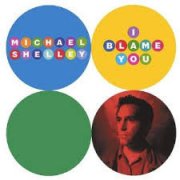
NYC-based Michael Shelley has collaborated with members of Belle & Sebastian, but we mustn't hold it against him. 2001's I Blame You was his third solo album, sitting somewhere in between powerpop and Americana, highlights including opener Mix Tape, Dear Mr. Webster, the unusual-for-the-style instrumental Rollo and Favorite Graduate, maybe, although the full-on country of Let's Fall In Hate falls a little flat.
Dave Amels plays what sounds like genuine Mellotron flutes on closer Don't Wait Up, although, as so often, it's hard to tell for certain. Good, not great, one top Mellotron track.
 |
To the One I Love (197?, 30.19) **/TT½ |
|
| I Live One Day at a Time Seven Bridges Time This is Just a Song Intermission Jam Country Roads Spinning Jenny Jet Plane |
Her Love Didn't Make it Home Intermission Jam |
|
Current availability:
Mellotron used:
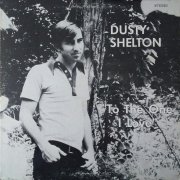
Dusty Shelton was (is?) another one of a myriad American singers who thought they'd give it a go singing countryish material; I'm sure he came across well playing in bars (the ones that play both kinds of music), but To the One I Love falls flat on its face. His upbeat take on John Denver's Country Roads is a low point, as is his take on Denver's Jet Plane... Do we see a pattern emerging here? How many more of these songs are covers that I simply don't recognise? Although they'd be throwaways anywhere else, the jaunty (albeit brief) Intermission Jams count as 'light relief', particularly when put up against the maudlin likes of opener I Live One Day At A Time or Her Love Didn't Make It Home.
One or more of Bruce Ewen, David Paich (??!) or Whitey Thomas plays Mellotron, with strings all over I Live One Day At A Time, Time, Jet Plane and Her Love Didn't Make It Home, all in 'orchestral replacement' mode. So what the hell's future Toto mainstay David Paich doing here? Mind you, Warren Ham's credited, too; seems Shelton had some influential friends. This is utterly obscure, thankfully (once again, 'thanks' to Mark Medley), so you're unlikely to run into a copy any time soon. Count yourself lucky.
 |
Songs From Ally McBeal (1998, 43.01) **/½ |
|
| Searchin' My Soul Ask the Lonely Walk Away Renee Hooked on a Feeling You Belong to Me The Wildest Times of the World Someone You Use The End of the World |
Tell Him Neighborhood Will You Marry Me? It's in His Kiss (the Shoop Shoop Song) I Only Want to Be With You Maryland |
|
 |
Ally McBeal: A Very Ally Christmas (2000, 37.24) **½/0 |
|
| This Christmas The Man With the Bag Please Come Home for Christmas Silver Bells Let it Snow, Let it Snow, Let it Snow Winter Wonderland (Macy Gray) Run, Rudolph Run (Jane Krakowski) |
Santa Claus Got Stuck in My Chimney (Lisa Nicole Carson) I Saw Mommy Kissing Santa Claus (Jane Krakowski) Santa Baby (Calista Flockheart) Have Yourself a Merry Little Christmas River (Robert Downey, Jr.) White Christmas (Robert Downey, Jr. & Vonda Shepard) What Are You Doing New Years Eve |
|
 |
Chinatown (2002, 39.16) ***/0 |
|
| Rainy Days Chinatown My Whole World Lose My Way Rain or Shine Downtime Gyroscope In July |
Sunset Marquis 7 Days Promising Grey Day |
|
Current availability:
Mellotron/Chamberlins used:
Vonda Shepard is best-known for her role in the tedious Ally McBeal, where she not only appears most weeks singing in the characters' favourite bar, but even sings the title song. Bit of a result, that... She actually released her eponymous first album in 1989 and spent the early '90s struggling in LA, before being picked up for the show by its producer.
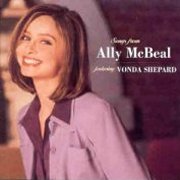
Shepard's first McBeal album, 1998's Songs From Ally McBeal, is a bland (mostly) covers collection, although, in fairness, that was precisely what the series apparently required. All tracks are performed in a safe, light country-rock style, with far too much pedal steel for my liking, although Shepard has an excellent voice, which I'd like to think is the only reason the programme's producers chose her. Yeah, right. Worst track? Hard to say, although her ugly reinterpretation of the great Tell Him (anyone else remember late-period denim-clad UK glamsters Hello's killer version?) is pretty awful, as is her balladic take on I Only Want To Be With You. One Chamberlin track, from Jebin Bruni, with a reasonable string part, once again sounding quite like the real thing on Will You Marry Me, but not exactly the sort of thing that'll have you rushing out to your local rekkud store. The following year's Heart & Soul: New Songs From Ally McBeal is often referenced as having Chamberlin contributions from Mitchell Froom (later to become Shepard's husband), but the detailed track-by-track credits in the CD booklet make no mention of it and listening to the album proves inconclusive (not to mention stultifyingly boring). Is that Chamby strings or some form of generic sample in Confetti? The Chamberlin's propensity for merging seamlessly into a mix goes against it here, making it near-impossible to tell whether or not it actually appears at all.
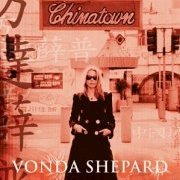
It is credited, however, on 2000's part-compilation, Ally McBeal: A Very Ally Christmas, where half the songs are sung by Shepard and the other half by various cast members, oh and Macy Gray. It's dull, but even an old 'bah, humbug' type like myself can't entirely object to an album of Christmas songs performed in a bland but generally inoffensive manner, although I probably should. Patrick Warren's credited with Chamberlin, but yet again, while several things might be it, none are definite, so although it's credited, I can't reasonably highlight anything. 2002's Chinatown is back to Shepard's own material, away from McBeal, but proves to be barely any more interesting than anything else she's done, I'm afraid. Co-producer Froom is credited with Chamberlin, but I'll be buggered if I can hear it amongst the real strings, though I'm sure it's doing its usual trick of hiding away in the background somewhere. So; a batch of somewhat dullsville records, the Ally McBeal ones doing good business at a charity shop near you.
See: Samples etc.
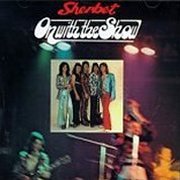 |
On With the Show (1973, 40.49) ***/TTWe Can Make it RightSummer Satisfaction Jubilee Morning Cassandra Roll Me Over Chicago Jungle Jiver Sweet Valentine Au Revoir |
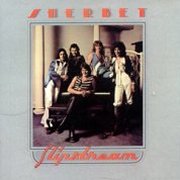 |
Slipstream (1974, 38.38) ***/TT½ |
|
| Slipstream Endless Place Wild Love Another Hustler What is it All About? Freedom Silvery Moon Handy Mandy |
When the Sunshine Turns to Grey Earthquake in My Head So Glad You're Mine |
|
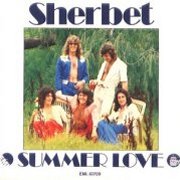 |
7" (1975) ***/T½ Summer Love You Go Your Way (I'll Go Mine) |
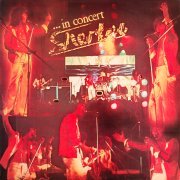 |
...In Concert (1975, 42.51) ***/TT |
|
| Cassandra Wishing Well Another Hustler Jungle Jiver Do it Freedom Medley Can You Feel it You've Got the Gun You're All Woman |
Hound Dog Medley Au Revoir Goodbye |
|
 |
Live... And the Crowd Went Wild (2006, recorded 1976-1977, 68.04) ***/T½ |
|
| Slipstream Endless Place Wild Love Silvery Moon Cassandra Blueswalkin' Gimme Love Lady of the Night Hollywood Dreaming |
If I Had My Way Child's Play Motor of Love I'll Be Gone Howzat Nowhere Man The Way I am You Keep Me Hangin' on Hound Dog |
|
Current availability:
Mellotrons used:
Sherbet are remembered in Britain (if at all) for their sole UK hit, '76's Howzat, capitalising on the two countries' shared cricket heritage, but they'd been around in their homeland since the end of the '60s. They never pretended to be particularly 'rock', but their mainstream pop was actually rather good in places. 1973's On With the Show catches them before their unfortunate glam period and is a perfectly competent mainstream pop/rock album of the time, with only side two's epic opener Chicago straying too far from the template. Keys man Garth Porter plays Mellotron on a few tracks, with flutes and strings (complete with tape-wobble) on Jubilee Morning, along with his seemingly ubiquitous Wurly, although the strings on Cassandra and the cheesy Au Revoir (clearly written as a concert closer) are real. More strings on Chicago and flutes on the dodgy 'joke' track, Jungle Jiver, although that seems to be your lot.
On '74's Slipstream, their appalling new image knocks them back several steps in the credibility stakes; I mean, what were they thinking of? Australia's not exactly known as a haven for the less than totally masculine (Priscilla, Queen of the Desert aside) so, although I'm sure the band were as straight as they come, they look like a bunch of King's Cross (Sydney version) tarts on a girls' night out on the sleeve, particularly bassist Tony Mitchell and guitarist/main man Clive Shakespeare. Porter is credited with playing Mellotron on four tracks, although there's also clearly some polyphonic flute and cello work on Handy Mandy. Silvery Moon and When The Sunshine Turns To Grey feature some rather ordinary strings parts, but the album's opening salvo of Slipstream and Endless Place is very listenable, with a high, sustained string note being one of the first sounds you hear. Actually, the title track is quite excellent, with an almost proggy key change into Endless Place, making up for later sins such as Another Hustler. Plenty of Mellotron strings here, with a strange, muted part linking the tracks, plus some choir chords on the second track. A quick diversion into single-land here, as their no. 1 hit Summer Love (released March '75 at the end of summer, northern hemisphereites) featured a reasonable amount of Porter's Mellotron, in a 'substitute real string section' kind of way. A non-album track, it's available on various compilations.
As if to prove they were a 'proper' band, Sherbet's next release was ...In Concert, recorded in Sydney (the Opera House, no less) and Melbourne in front of thousands of screaming girls. The over-enthusiastic MC announces Sherbet as "Australia's number one rock'n'roll band"; um, correct me if I'm wrong, but hadn't AC/DC released at least one album by this point? The rear sleeve features a most fetching pic of vocalist Daryl Braithwaite in the most appalling red and white striped suit/red shirt combo, almost (but not quite) grabbing at his crotch. Lovely... The band could clearly play perfectly well, making a good job of Free's Wishing Well (a hit, I believe, when released as an unusual live single), with Porter getting a nice Mellotron part in, also reproducing Cassandra's studio string parts. You can hear him tuning up (on the flutes) at the beginning of the terrible Jungle Jiver, with a quick left-hand part later in the song (while he plays concert grand with his right), while a faint string part on their medley version of Can You Feel It wraps it up on the Mellotron front.
2007's full-length CD (there's also an expanded DVD), Live... And the Crowd Went Wild, principally consists of excerpts from three live sets, Sydney '75, Melbourne '76 and Sydney again in '77. Highlights are mega-hit Howzat from '77 (I'd forgotten how good this song is) and their take on Vanilla Fudge's take on The Supremes' You Keep Me Hangin' On, the rest being efficient run-throughs of hits and popular album tracks, accompanied by screaming girls. Porter clearly dropped the Mellotron post-'75, so we get just four tracks of it, with upfront string melodies on opener Slipstream and Endless Place, high strings on Silvery Moon and remarkably lifelike strings on Cassandra (is Porter doubling some parts on string synth here?). The '76 and '77 sets show the Sherbs doing what they do best, but, as with so many other acts around that time, the Mellotron's replaced by a string synth. At least the liner note author refers to, "...Porter's stately mellotron... [sic.]".
So; can I recommend these? Hmmm. On With the Show isn't too overtly poppy, while despite starting well, much of Slipstream is overly commercial, although I suppose that's what they did, so it seems a tad unfair to berate them for it. There's some decent Mellotron work on several tracks on all albums, so this one's up to you. '75's Life... is for Living and '76's Howzat both have detailed instrumental credits, but, sadly, the Mellotron's nowhere to be seen.
Jeff Sherman (US) see: |
 |
 |
7" (1971) **½/T To Love 25 Miles |
Current availability:
Mellotron used:
Sue Shifrin, more often known as Susan or Su, is better known as a songwriter (Tina Turner, Cher, Heart, others) than as a performer, although she released a clutch of singles and one LP in the '70s. Her first release, 1971's To Love, is a countryish ballad, while, in direct contrast, its flip, 25 Miles, is a funky, upbeat effort, somewhat of its time.
Someone adds Mellotron to the flip, with a mad, upfront strings part over the intro, before the (real) brass riffage kick in, which is the last we hear of the Mellotron. Not the most overt use, then, but wildly upfront for the few seconds it's used.
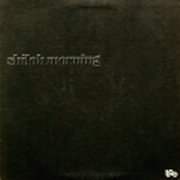 |
Shiloh Morning (1974, 34.29) ***/TTT |
|
| Riverside Too Far Behind The Greatest Song I Ever Heard One A.M. Jamaica Talk it Over in the Morning White Bird Just Like the Other Day |
Some of Shelly's Blues Nights in White Satin |
|
Current availability:
Mellotron used:
I can't tell you much about Shiloh Morning, other than that it's also the name of an Oklahoma guesthouse, who've just picked up a little more free advertising. To my knowledge, the quintet released just the one, eponymous album, eight of its ten tracks covers of the likes of America, Jackson Browne and Mike Nesmith, amongst others, all in a folky, heavy harmony vocal style, a little too sweet for its own good. Better tracks include the vocal work on Browne's Jamaica and their spot-on cover of It's a Beautiful Days' White Bird, but what's going on with their so-close-it-could-be-the-Moodies Nights In White Satin? It's almost a lift from the original. Are we talking 'bar band record live set highlights'? I think we might.
Mark Hancock plays keys, including Mellotron on several tracks, with occasional strings on Too Far Behind, The Greatest Song I Ever Heard and Just Like The Other Day, a speedy flute part and strings on Talk It Over In The Morning and, of course, a reiteration of the original string (but not brass) part on Nights In White Satin. This is a) pretty obscure and b) not especially worth the effort, particularly with so little original material, but I've certainly heard worse.
 |
Lonely Men (1976, 37.59) **½/½ |
|
| Lonely Men Konjō sa Atsui Kisetsu Rajio wa Utau Machi o Norou Koto mo Naku Seishun no Koro Kimi wa Saikō Mō Kimi ni Muchū |
Hitori de Chikatetsu no Kabe ni |
|
Current availability:
Mellotron used:
Soji (or Shoji) Shimada is a famous Japanese mystery author, who recorded just one album, Lonely Men, released in 1976. Sad to say, it's a somewhat anodyne singer-songwriter/soft rock effort, at its least flaccid on piano ballad Seishun No Koro and Hitori De. And if that looks like clutching at straws, it is.
Shimada and Mitsuo Mitani play Mellotron, with a choir variant on Atsui Kisetsu, woozy strings at the beginning of Rajio Wa Utau and more of those choirs on Machi O Norou Koto Mo Naku, Seishun No Koro and Chikatetsu No Kabe Ni, none of it to any great effect. I'm not sure I've ever given such a low T rating for so many tracks 'featuring' the instrument before.
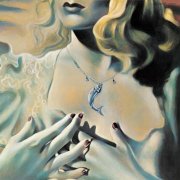 |
Silver Fish (1975, 48.53) **/T |
|
| Purorōgu Teru Yaku Hito Senchimentarurokkunrōru Gekijō Uraguchi Denwa Bokkusu Yume no Man'naka Nigecha Ikenai Gin no Sakana Garasu no Nohara |
Nē Odorou Yoru to Sake to On'na-Tachi Yoru no Machi Hitorihitori no Komori-uta Epirōgu Asa Odoriko |
|
Current availability:
Mellotron used:
Itsuroh Shimoda is a Japanese singer-songwriter whose career basically encompassed the '70s, 1975's Silver Fish being his fourth (?) album. It's a dull, middle-of-the-road effort, even by the low Japanese standards of the time, leaving me to tell you that Senchimentarurokkunrōru's cod-rock'n'roll is, shamefully, the 'best' thing here.
Jun Fukamachi plays (his?) Mellotron, if only just, with naught but distant choirs on lengthy closing ballad Epirōgu Asa Odoriko. I know I shouldn't judge decades-old pop from the other side of the world by modern standards, but... this is seriously not worth the effort, on any front.
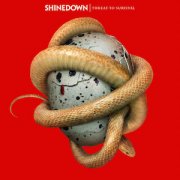 |
Threat to Survival (2015, 40.22) *½/½ |
|
| Asking for it Cut the Cord State of My Head Outcast How Did You Love It All Adds Up Oblivion Dangerous |
Thick as Thieves Black Cadillac Misfits |
|
Current availability:
Chamberlin used:
Jacksonville, FL's Shinedown's fifth album, 2015's Threat to Survival, is a kind of indie/metal crossover, with the strengths of... er, hang on... It just about rocks, albeit in a corporate kind of way, simultaneously assaulting us with a 'melodic' sense straight out of the indie songbook and a slicker-than-slick production. Music designed (and, believe me, it was designed, probably in a boardroom) to be played in 'alternative' record shops, assuming such things still exist. The bloated credit list gives the game away before you even put this on, as in 'one line for the band, another sixteen for technical personnel, A&R, bottom wipers etc.', although how wonderful to realise that, like Camel (yet unlike them in every other way), they have a bass player called Bass, Eric in this case. There are no best tracks.
Patrick Warren does his usual (if increasingly infrequent) Chamberlin thing, with strings on Thick as Thieves and Misfits that could, frankly, have emanated from almost anything (within reason, pedants). A wasted opportunity; hope he was well paid for his time and talents. This is crud.
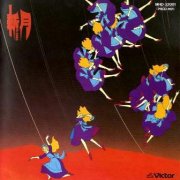 |
Shingetsu (1979, 43.36) ****/TTTOniThe Other Side of Morning Influential Street Afternoon - After the Rain Fragments of the Dawn Freeze Night Collector Return of the Night |
 |
Akai me no Kagami: Live '79 (1994, 72.54) ****/TT½OniThe Other Side of Morning/Influential Street Afternoon - After the Rain Fragments of the Dawn Fui no Tabidachi Shojyo Wa Kaerenai Akai me no Kagami/Satsuie no Funade Night Collector |
 |
Shingetsu Live, 25-26 July 1979, ABC Kaikan Hall Tokyo (2004, 67.33) ****/TT½ |
|
| Oni Fragments of the Dawn The Other Side of Morning Influential Street Afternoon - After the Rain She Can't Return Home Night Collector Reddish Eyes on Mirror |
Voyage for Killing Love part 2 Return of the Night |
|
 |
The Whole Story of Shingetsu 1976-1982 (2005, 269.48) ****½/TTTT½ |
|||
| Oni The Other Side of the Morning Influential Streets Afternoon - After the Rain Fragments of the Dawn Magic Flute "Reitou" The Night Collector Return of the Night Life and Death Reddish Eyes on Mirror The Voyage for Killing Love, part 1 The Voyage for Killing Love, part 2 Homing to the Island |
Orion/Tsuzumi Hoshi "Takeshi" skit The Journey of Takeshi Kid (demo) Homing to the Island (rehearsal) Reddish Eyes on Mirror (basic track) Tuning Fragments of the Dawn (demo) The Night Collector (rehearsal) Return of the Night (demo) Practice on the Bass Oni (demo) The Voyage for Killing Love, part 2 (demo) Sir Bordenhausen (live) Triplet Colors (live) |
The Star of Sorrow/In Memory of Chardanes the Pan (live) Open Before Knock (demo) The Broken Chain (demo) Recurrence (demo) The End (home demo) Blur Blue Sky (demo) The Voyage for Killing Love, part 1 (demo) Recurrence/Oni (demo) Remnants of Maldek (demo) Take Hikaru/Illuminating Bamboo (demo) Roman Fu (demo) Blue (demo) |
Akane Sasu/Flickering Evening Daylight (demo) A Letter From the Sea (home demo) Farm (home demo) Theme for Gelverna (home demo) Shinkan-sen (rehearsal) The Last Breakfast (rehearsal) Budokan (rehearsal) The Scarlet Dune (rehearsal) Ameba/Tapestry (demo) Slip Into the Sea Hirotoubi/The Song of Hiroshima Prefecture Eastern Beauty Special School |
|
Current availability:
Mellotrons used:
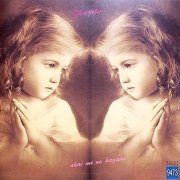
Shingetsu (New Moon) were a relatively early Japanese progressive outfit, along with Ain Soph, as the '70s scene in their country was more psych than prog (Cosmos Factory, Far East Family Band) and most of the known Japanese bands were active during the '80s. As a result, their influences are wholly from the '70s, making Shingetsu one of the best Japanese progressive albums, bar none. Genesis are an ever-present influence, although they're an awfully long way from being a clone, despite their seeming lack of any noticeable local input into their sound, aside from the Japanese vocals. Oni is a particularly strong opener, although there isn't actually a bad track here, which is more than you can say for many of their successors. Keys man Akira Hanamoto uses the usual 'boards, with decent helpings of Hammond etc., plus Mellotron on several tracks. The flute solo on Oni actually fooled me into thinking it was real for a minute, before it speeds up, with Hanamoto playing one of the fastest Mellotron parts I can remember hearing. There's one more flute part on the album and cellos on Fragments Of The Dawn, with everything else being standard strings, used well, although there's some string synth to be heard, too.
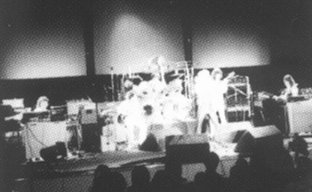 |
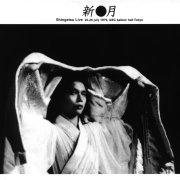
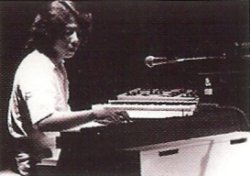
In 1994, Japanese progressive label Belle Antique released three Shingetsu-related albums, including their debut on CD for the first time. The other two were a live effort, Akai Me No Kagami: Live '79 and an archive release containing unreleased material as Serenade/Shingetsu. The live album, while poorly recorded (or at least mixed), is everything you'd expect of prime Japanese progressive; highly melodic and (I suspect) very theatrical, they took the lush symphonic sound of Genesis and Camel and ran with it, adding elements from their own culture, as does most good progressive rock. Hanamoto and guest player Takashi Kokubo (left), each with an M400, add Mellotron to several tracks, with complex flute and string parts in opener Oni, background strings on Afternoon - After The Rain, cellos and another complex flute part on Fragments Of The Dawn, occasional flutes on Fui No Tabidachi and quite literally a second of pitchbent strings at the end of Satsuie No Funade.
 |
Things get weird with the 2004 release by those lovely Musea people, Shingetsu Live, 25-26 July 1979, ABC Kaikan Hall Tokyo. Pourquoi? Those are the same recording dates and venue as Akai Me No Kagami, that's why. It isn't a straight reissue, though, by a long way. The sleeve lists ten tracks, though there's only nine sequenced on the disc, but it seems the discrepancy is in the 20-minute Reddish Eyes On Mirror/Voyage For Killing Love Part 2 (a.k.a. Akai Me No Kagami/Satsuie No Funade). The track order's rejigged, the tapes have (presumably) been remixed, one track appears to've been removed and another added and a couple renamed, not to mention several judicious edits of rather dull sound effect tapes running between tracks. Confused? Me too. The Mellotron use is, essentially, the same as the earlier issue of the recordings, minus the flutes on the missing Fui No Tabidachi. So which of these versions should you go for? You may not have much choice, as I doubt whether the earlier one's available in any sensible form; the missing track is probably the weakest thing on it, so you're not missing that much, while the overall sound on the Musea version is vastly better.
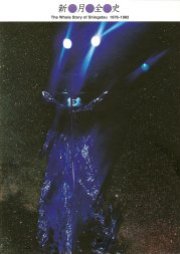
In 2005, the five-disc The Whole Story of Shingetsu 1976-1982 appeared out of nowhere; while not actually the last word on the band, it's clearly attempting to be exactly that. We'll ignore disc one, as it's merely a remastered version of Shingetsu, but disc two is a newly-recorded set of material, their 'second album', From a Distant Star (from Life And Death through to Orion/Tsuzumi Hoshi above). And it's... every bit as good as their debut, even if we've already heard two of its six tracks on Shingetsu Live. Is that Hanamoto's real Mellotron on Life And Death and The Voyage For Killing Love, part 2? Hard to tell, but while there's a string line running through the former, there's next to nothing on the latter, anyway. Disc 3, Out Takes 1979-1980, is almost exactly what it says on the tin, although the brief Practice On The Bass dates from '77. There's only a little Mellotron on the disc; as if to make up its no-show up to that point, Fragments Of The Dawn features cello, string and flute parts, with more of the same on Oni, including a nifty flute part.
Disc 4, Archives/HAL Serenade, all from 1976, contains some of the best material on the set, maybe surprisingly, although neither the very ELP-esque Sir Bordenhausen nor Blur Blue Sky are among them. More Mellotron this time round, with a flute melody and wobbly string chords on The Broken Chain, more strings on the fabulous Recurrence, possibly the best track on the entire set, while The End is a short, beautiful piece for Mellotron flute, strings and cello, not to mention the strings towards the end of Blur Blue Sky, flutes on The Voyage For Killing Love, Part 1 and cellos and flutes on Recurrence/Oni. I don't know where they get the '1977' bit on the final disc, Other Materials 1977-1999, as it was actually recorded almost entirely between 1980 and '83, the sole dissenter being the final track, 1999's Hirotoubi/The Song Of Hiroshima Prefecture Eastern Beauty Special School. It's a rather more mixed bag than the previous discs, some shorter, more straightforward material creeping in, as the band crossed the 1980 watershed. There are a handful of Mellotron tracks, all from 1980, with cellos and flutes on Roman Fu and strings on Blue and Akane Sasu/Flickering Evening Daylight, although it seems they'd ditched it by the following year, 1983's Ameba/Tapestry (actually a demo by Tapestry) being a particularly bad offender, featuring some seriously heinous synth sounds.
So; if big, lush symphonic prog is your bag, I can wholeheartedly recommend these, although Haruhiko Tsuda's restrained guitar work isn't going to be to all tastes.
See: Serenade/Shingetsu | Makoto Kitayama with Shingetsu Project
 |
In the Kingdom of Kitsch You Will Be a Monster (2005, 38.57) ***/T |
|
| Goretex Weather Report REDRUM Romani Perdurabo Aleister Explains Everything 31=300=20 (it is By Will Alone I Set My Mind in Motion) |
Where Death Comes to Cry The Smoking Dog Magazine RWRK You Can Try the Best You Can |
|
Current availability:
Mellotron used:
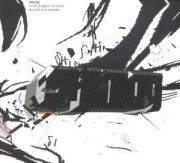
Shining are a Norwegian prog/avant-garde troupe, some of whose members have also played with Jaga Jazzist. 2005's In the Kingdom of Kitsch You Will Be a Monster is their third album and I were to tell you that it's not the easiest listen ever, I wouldn't be lying. Influences include the more out-there regions of jazz, French chanson (no, really), the RIO of Henry Cow et al. and even the occasional burst of more 'mainstream' prog.
Despite two credited Mellotron players (Jørgen Munkeby and Morten Qvenild), there's very little obvious Mellotron on the album, although the choirs on 31=300=20 (It Is By Will Alone I Set My Mind In Motion) are pretty real-sounding, which is nice. So; one for those of you who feel that Slapp Happy are boringly normal, or Univers Zero sound like Genesis. Not much obvious Mellotron, but it's hardly the album's stand-out feature, anyway.
See: Jaga Jazzist
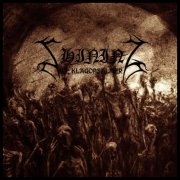 |
VI / Klagopsalmer (2009, 50.32) ***/T½Vilseledda Barnasjälars HemvistPlågoande o'Helga Plågoande Fullständigt Jävla Död Inuti Ohm - Sommar Med Siv Krossade Drömmar och Brutna Löften Total Utfrysning |
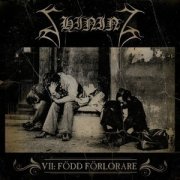 |
VII / Född Förlorare (2011, 41.47) ***/T½Förtvivlan, Min ArvedelTiden Läker Inga Sår Människa o'Avskyvärda Människa Tillsammans Är Vi Allt I Nattens Timma FFF |
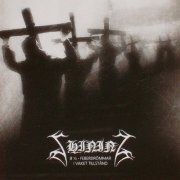 |
8½ / Feberdrömmar i Vaket Tillstånd (2013, 48.51) ***/TTerres des AnonymesSzabadulj Meg Önmagadtól Ett Liv Utan Mening Selvdestruktivitetens Emissarie Black Industrial Misery Through Corridors of Oppression |
Current availability:
Mellotrons used:
Shining (nothing to do with the Norwegian band, above) seem to be the kind of death metal band that gives the genre a bad name, allegedly glorifying suicide and self-harm, although I remain slightly sceptical without seeing translated lyrics; 'moral panics' are easy to whip up and bands like this are ideal candidates for vilification. Going by their sixth album, VI / Klagopsalmer (Hymns of Lament), they play the kind of highly proficient thrash/'technical' metal beloved of a certain kind of young man who needs to get out more. The album actually has its moments, not least the surprisingly tasteful middle part of Ohm - Sommar Med Siv and the whole of the desolate, acoustic Krossade Drömmar Och Brutna Löften, although a surfeit of death grunts and impeccably-played but totally derivative riffs tend to spoil the overall effect. Unusually for him, Norway's premier Mellotron-merchant, Lars Fredrik Frøislie (Wobbler, White Willow, a million others), plays with a Swedish band this time round, adding Mellotron and celeste to the album. We get choirs on Vilseledda Barnasjälars Hemvist and flutes and strings on Plågoande O'Helga Plågoande, although the cellos in lengthy closer Total Utfrysning are real.
Two years on, VII / Född Förlorare (Born Loser) is, by and large, more of the same, although the number of quiet, reflective sections has risen in the interim, as has the melodic content of the heavier parts. A major surprise is track five, an instantly recognisable cover of Landberk's mournful I Nattens Timma (a.k.a. Waltz Of The Dark Riddle, from 1992's Riktigt Äkta), featuring Peter Bjärgö on vocals and piano, one of several guest spots on the record. Now, I've had Bjärgö down as playing Mellotron on the track, but, upon researching it again, it seems that Frøislie plays all Mellotron parts, with a brief cello and flute section at the end of Tiden Läker Inga Sår, flutes and vibes on Tillsammans Är Vi Allt and vibes on I Nattens Timma, although only the first-named is particularly overt.
Frøislie wasn't involved with 2012's Redefining Darkness; although he contributes to the following year's 8½ / Feberdrömmar i Vaket Tillstånd (Fever Dreams in the Watch State), he subsequently ended his association with the band. The album, from its title on, is an odd one; as it says on the sleeve, 'features early tracks from the band taken back to their pre-production stage with newly recorded bass and guitars as well as the addition of keyboards', although I've no idea what the criteria may have been for their selection. I can trace four of its six tracks to various early-2000s releases, all in the band's signature style, minus later refinements, possibly at their best on closer Through Corridors Of Oppression, based on Chopin's Funeral March. Frøislie appears to play Mellotron on most tracks, although it's quite possible that some of the buried-in-the-mix, reverbed-to-hell (appropriately) parts are actually something else. Anyway, we appear to get distant strings and choirs on opener Terres Des Anonymes, distant choirs on Szabadulj Meg Önmagadtól, chordal flutes on Ett Liv Utan Mening, cellos and upfront definite Mellotron strings (and female voices?) on Selvdestruktivitetens Emissarie and more distant choirs on Black Industrial Misery, although the strings on Through Corridors Of Oppression sound somewhat un-Mellotronic to my ears.
 |
Shinsekai (2005, 37.22) ****½/TTT½I Talk to the Door1000 Days Before [Part I] Shinsekai OCAT All or Nothing Riviere of Life [Part I] Riviere of Life [Part II] Nishinari Skidrow |
 |
Alice Through the Looking Glass (2006, 68.57) ****/TT |
|
| Alice Through the Looking Glass Part 1 Alice Through the Looking Glass Part 2 Jabberwocky I Love FOCUS Turn Right on Sennichimae-Indian Five Q Return of Progressive-Rock Hamatai |
Fairy Tale Die Welt Als Wille und Vorstellung Part 1 Die Welt Als Wille und Vorstellung Part 2 Music for the End of Life Mellotron Solo "Kimigayo" Elegant Talk |
|
Current availability:
Mellotrons used:
Yu Shimoda writes music for video games, but don't let that put you off his solo project, Shinsekai (a district of Osaka, his home city). His/their self-titled, all-instrumental debut is a phenomenal work, obvious influences including King Crimson, Anekdoten and, quite certainly, various avant-prog outfits that fall outside the scope of my record collection. Nothing here disappoints, although effective opener 1000 Days Before [Part I] (whither part II?), OCAT, the gentle Riviere Of Life [Part II] and closer Nishinari Skidrow might just be highlights. Plenty of Mellotron (source unknown, played by Shimoda and Masaru Teramae), with a Crimsonesque string line on 1000 Days Before [Part I], upfront chordal strings on OCAT, strings and choirs on All Or Nothing, wobbly, wildly obviously genuine strings on Riviere Of Life [Part I] and distant, reverbed-to-hell choirs and a string line on Nishinari Skidrow, although the flute on Riviere Of Life [Part II] is real. Irritatingly, the album came with a flexidisc containing another two tracks, but I only have the CD. Will these ever turn up online? Who knows?
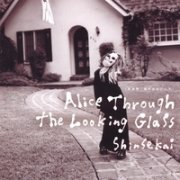
On the following year's Alice Through the Looking Glass, Shimoda was aided and abetted by members of Gerard, Kinzoku-ebisu, Naikaku and others. It's a mad, eclectic set of material, veering between jazz fusion, metal, pseudo-'70s prog and almost everything in between. Highlights include the very Japanese first part of the title track that opens proceedings, I Love FOCUS (guess what? Yodelling), Fairy Tale and the self-explanatory Mellotron Solo, while, on Jabberwocky, he mines a seam of female-fronted Japanese metal that Babymetal would take to its logical extreme a few years later. Just Shimoda on Mellotron this time, with strings on part one of the title track and flutes on Turn Right On Sennichimae-Indian, while Mellotron Solo is slightly over a minute of just that, an arranged strings part that couldn't sound more genuine if it tried. Why he opted to end the record with nine minutes of musicians' chat, however, is unknown.
 |
The Great Indoors (1995, 46.22) **½/½ |
|
| Umbrella For A While Somebody Else's Cross Gun Shy The Big Dipper Burial At Sea Sergei, I'm Still 27 Pat-A-Cake She's Been Lived In |
Peppermint Breath Dreams Come Home Shadow On Your Skin Everest |
|
Current availability:
Mellotron used:
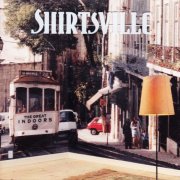
Shirtsville were a Danish indie outfit, bordering powerpop in places, at least on their second (?) album, 1995's The Great Indoors. Their male/female vocal thing works best on Somebody Else's Cross, Gun Shy and Dreams Come Home, possibly, but this is far from the most exciting thing you'll hear all year.
Claus Kilpatrick is credited with Mellotron, amongst other things; despite the obviously sampled strings on She's Been Lived In, the cello on one of the more irritating tracks, Shadow On Your Skin, is very Mellotronic, sitting alongside real strings, for some strange reason, so I'll give them this one. Is there any more on the album? Not that I can hear, but who knows?
 |
Trick or Treat (2009, 31.13) ***/T½Trick or TreatMexigermaican Corduroy Kiss More Valium on the Mellotron Spellcaster Zykatronics Junkanooga Booga |
 |
Current availability:
Mellotron used:
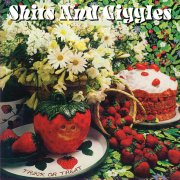
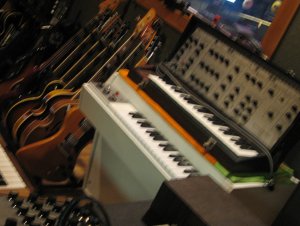
Shits & Giggles are involved with the Vas Deferens Organization and the Mutant Sounds blog, so it should come as no surprise to hear that they're pretty, er, 'out there', combining fucked-up jazz, plunderphonics and anything else that comes their way on their debut, 2009's Trick or Treat. I'd be lying if I tried to claim this is an easy listen, but those of you more attuned to the weirder end of weird may well go for it. I'm sure there are other online reviews that actually describe this stuff better than I can; it's far enough beyond my comfort zone to be influenced by other artists that are also a long way from said zone.
Since no-one's credited with the Mellotron (or anything else), the player could be any of Ariel Pink, Christopher Moock, Eric Lumbleau, Jay Jernigan or Matt Castille; whoever it is adds pitchbent flutes and choir to More Valium On The Mellotron and more choirs on Zykatronics to passable, if not entirely essential effect. All in all, this is a pretty odd album, but those on the further edges of the psych spectrum may be up for it, ditto anyone into the whole Nurse With Wound scene.